

Yes, you can run in hiking shoes if they fit well and are designed for your terrain. Ensure they offer adequate support, traction, and comfort for the best experience.
Last updated: October 21, 2026
When considering whether you can run in hiking shoes, it’s essential to look at their design and functionality.
While hiking shoes are primarily built for stability and traction on rugged terrain, many models offer enough flexibility and comfort for running short distances on trails.
This article will explore the characteristics that define suitable hiking shoes for running, including fit, support, and terrain compatibility.
- Fit both feet: Test run in hiking shoes with the intended socks and enough toe room for descents.
- Terrain determines support: Traction, stiffness, cushioning, and protection should match the surface and carried load.
- Waterproofing has trade-offs: More weather protection can reduce breathability and increase drying time.
- Replace worn performance: Loss of tread, support, cushioning, or structural integrity can reduce control and comfort.
What Good Run Hiking Shoes Fit Feels Like
A good fit in hiking shoes is crucial for comfort, especially if you’re considering running in them. They should feel snug but not overly tight, allowing for natural foot movement.
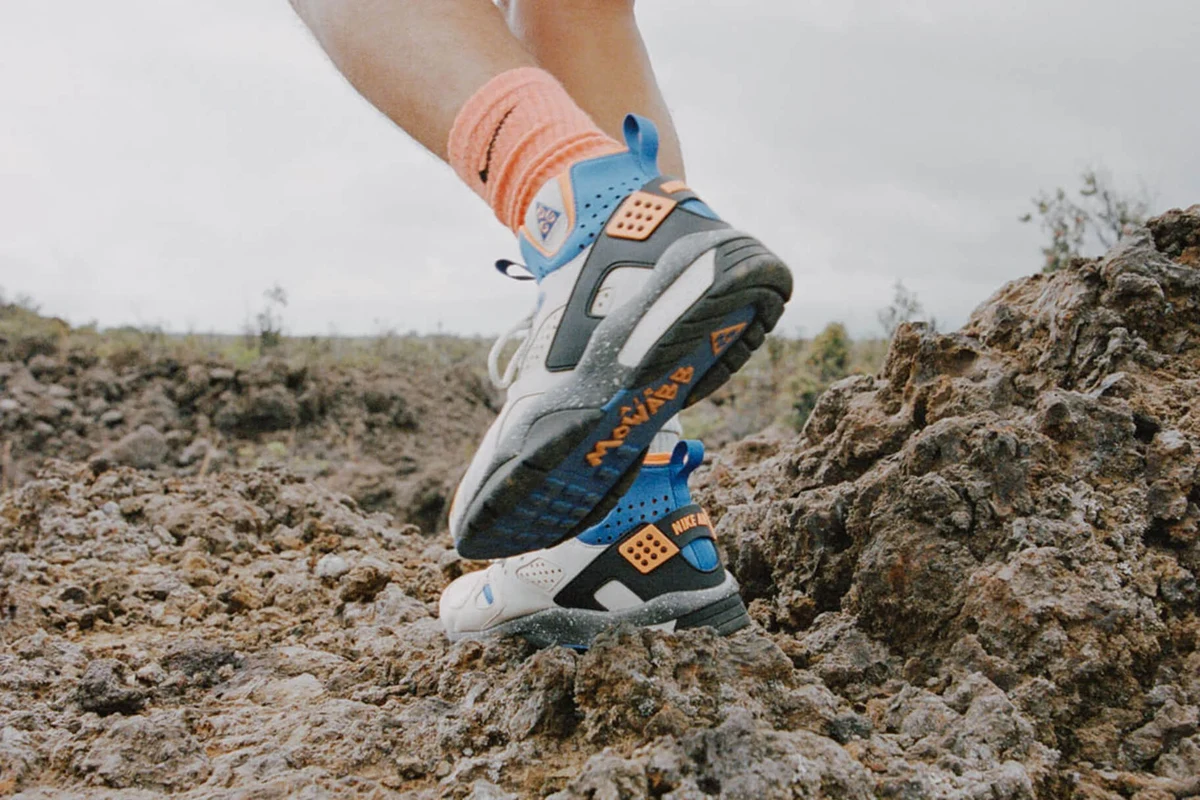
- Ensure there’s about a thumb’s width of space between your longest toe and the shoe’s front.
- Check that the heel stays in place without slipping during movement.
- Look for a secure fit that accommodates your foot shape, whether wide or narrow.
Proper fit helps prevent blisters and discomfort, key factors for both hiking and running. Remember, different brands may have varied sizing, so trying on multiple pairs is recommended. For a closer look at fit and compatibility, see can you run in hiking boots.
What Good Run Hiking Shoes Fit Feels Like: Key Points at a Glance
Use this quick reference to review the main decisions and checks from What Good Run Hiking Shoes Fit Feels Like.
| Section Point | Practical Meaning |
|---|---|
| A Good Fit in Hiking Shoes | A good fit in hiking shoes is crucial for comfort, especially if you’re considering running in them. They should feel snug but not overly tight, allowing for |
| Ensure There’s About a Thumb’s Width | Ensure there’s about a thumb’s width of space between your longest toe and the shoe’s front. |
| Check That the Heel Stays In | Check that the heel stays in place without slipping during movement. |
| Look for a Secure Fit That | Look for a secure fit that accommodates your foot shape, whether wide or narrow. |
| Proper Fit Helps Prevent Blisters And | Proper fit helps prevent blisters and discomfort, key factors for both hiking and running. Remember, different brands may have varied sizing, so trying on multiple |
Use this guide for can you run in hiking shoes only after matching it to the activity, conditions, user, and current official information.
Match Traction and Support to the Terrain
The terrain you’ll be running on significantly influences your choice of hiking shoes. Shoes designed for rocky, uneven surfaces will offer better grip and stability.
Rugged outsoles with deep lugs provide traction on loose or slippery surfaces. Choose shoes with stiffer midsoles for added support on rough trails. Consider the weight of the shoe; lighter options are better for running. The guide what are hiking shoes and why you need them expands on a closely related trail decision.
Always assess the trail conditions and your skill level before deciding on the appropriate footwear.
- Confirm the use case.
- Verify changing facts.
- Keep a safer backup option.
Waterproofing, Breathability, and Drying Trade-Offs
Most hiking shoes feature some level of waterproofing, which can be beneficial in wet conditions. However, this can also impact breathability. A useful next reference is are trail shoes the same as hiking boots for trails.
- Waterproof membranes keep feet dry but can trap heat, making them less comfortable for running.
- Breathable materials may not withstand puddles or stream crossings.
- Consider your typical hiking environment when choosing between waterproof and breathable options.
Finding a balance between waterproofing and breathability is essential for comfort during extended wear.
Socks, Swelling, and Downhill Toe Room
Wearing appropriate socks is vital for enhancing comfort and preventing blisters. Choose moisture-wicking materials to keep your feet dry.
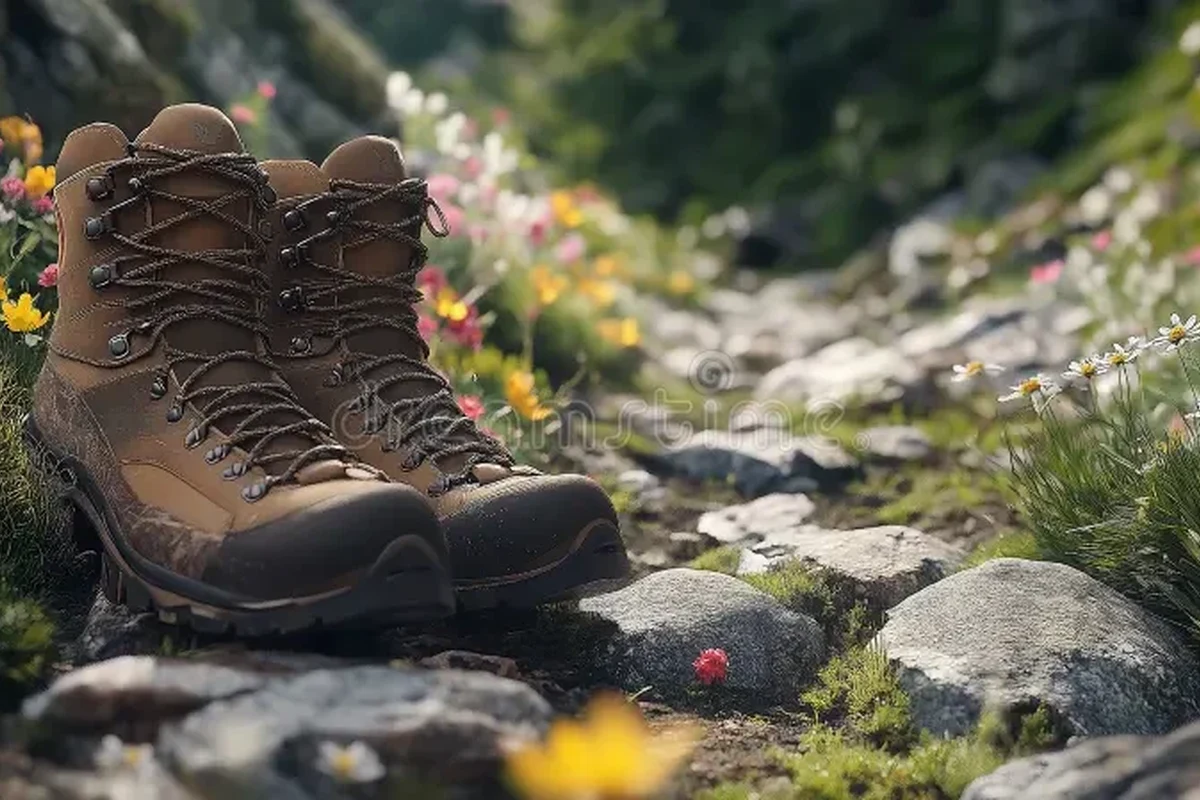
Ensure your shoes have enough room in the toe box, especially for downhill runs. Consider thicker socks for colder conditions but ensure the shoe still fits well. Be mindful of foot swelling during longer runs; a slightly looser fit may be beneficial.
Proper sock choice and fit can significantly affect your overall experience when running in hiking shoes. For closely related guidance, read can you use trail running shoes for hiking safely.
🥾 Ethan Carter’s Tip: A good outdoor decision leaves room for changing weather, uncertain conditions, and the option to turn back.
Break-In Without Ignoring Pressure Points
New hiking shoes often require a break-in period to soften materials and mold to your feet. During this time, pay attention to any pressure points.
- Start with short walks or runs to gradually acclimate your feet.
- Monitor for discomfort; if pressure points persist, consider a different model.
- Adjust lacing techniques to alleviate tight spots while securing the shoe.
Breaking in your hiking shoes properly can enhance comfort and performance, reducing the risk of injury. This topic also connects with can you wear running shoes for hiking safely.
Always verify the latest trail conditions and regulations before hitting the trails.
Care and Replacement Signs
Proper care extends the life of your hiking shoes. Regular cleaning and inspection for wear and tear are crucial.
Check for worn-out soles or damaged uppers that can compromise performance. Replace shoes every 300-500 miles or sooner if you notice a loss of support. Store shoes in a dry, cool place to maintain their shape and materials.
Being proactive about shoe care ensures that your footwear remains reliable for both hiking and running.
Final Thoughts on Choosing Can You Run in Hiking Shoes
Ultimately, you can run in hiking shoes, provided you select the right pair that fits well and is suited for your intended terrain and conditions.
Consider factors such as fit, support, and terrain compatibility when making your choice. With the right pair, running on trails can be a comfortable and enjoyable experience.
Questions About Run Hiking Shoes
No, not all hiking shoes are suitable for running. Look for lighter models with flexible soles and good traction.
Look for a snug fit, appropriate support, and adequate traction for the terrain you’ll be running on.
Replace hiking shoes every 300-500 miles or sooner if you notice visible wear or decreased support.
Yes, but ensure that the toe box has enough space to accommodate your toes during downhill runs to avoid discomfort.
Running shoes perform best on well-maintained trails or moderate terrains. Avoid extremely rocky or muddy conditions unless your shoes have specific traction features.