

Yes, you can run in hiking boots, but their suitability depends on fit, terrain, and comfort. Consider these factors to ensure an enjoyable running experience.
Last updated: October 21, 2026
When considering whether you can run in hiking boots, it’s essential to evaluate their design and intended use. Hiking boots are typically built for support and stability on rugged terrain, but they may not be the best choice for running.
This article explores the compatibility of hiking boots for running and what factors to consider.
From traction and support to comfort and fit, there are several aspects to discuss. We’ll help you understand the limitations and benefits of using hiking boots for running.
- Fit both feet: Test run in hiking boots with the intended socks and enough toe room for descents.
- Terrain determines support: Traction, stiffness, cushioning, and protection should match the surface and carried load.
- Waterproofing has trade-offs: More weather protection can reduce breathability and increase drying time.
- Replace worn performance: Loss of tread, support, cushioning, or structural integrity can reduce control and comfort.
What Good Run Hiking Boots Fit Feels Like
A good fit is crucial when assessing if you can run in hiking boots. Properly fitting boots should feel snug but not overly tight, providing support without restricting movement.
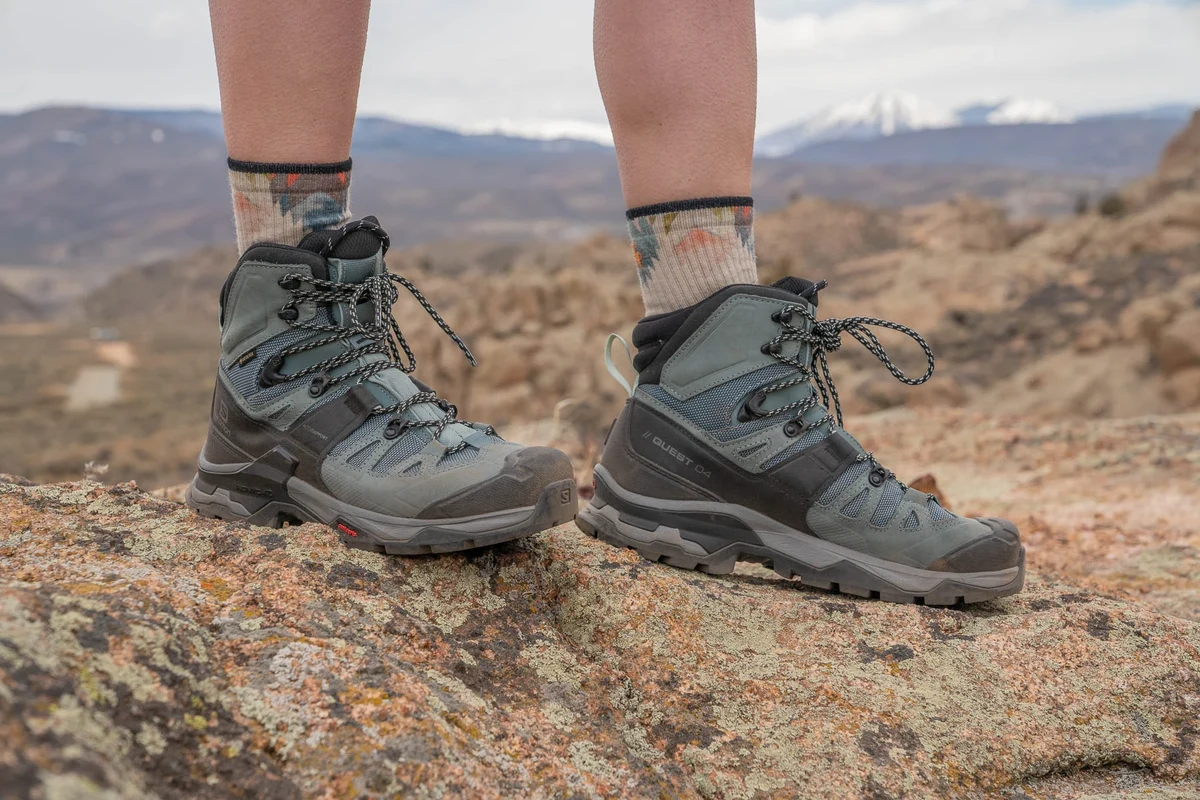
Look for a balance between heel hold and toe room, ensuring your foot doesn’t slide around during movement.
- Check for snugness around the heel.
- Ensure there’s enough space for your toes to wiggle.
- Look for even pressure across the foot.
When running, your foot expands slightly, so consider this when trying on hiking boots. A well-fitted boot can prevent blisters and discomfort during longer runs. For a closer look at fit and compatibility, see can you run in hiking shoes.
What Good Run Hiking Boots Fit Feels Like: Key Points at a Glance
Use this quick reference to review the main decisions and checks from What Good Run Hiking Boots Fit Feels Like.
| Section Point | Practical Meaning |
|---|---|
| A Good Fit Is Crucial When | A good fit is crucial when assessing if you can run in hiking boots. Properly fitting boots should feel snug but not overly tight, providing support without |
| Ensure There’s Enough Space for Your | Ensure there’s enough space for your toes to wiggle. |
| When Running, Your Foot Expands Slightly | When running, your foot expands slightly, so consider this when trying on hiking boots. A well-fitted boot can prevent blisters and discomfort during longer runs. |
Use this guide for can you run in hiking boots only after matching it to the activity, conditions, user, and current official information.
Match Traction and Support to the Terrain
When running in hiking boots, the terrain plays a significant role in performance. Boots designed for rugged trails offer better traction and support, which can enhance your running experience.
However, on smooth surfaces, the added weight and stiffness of hiking boots might hinder speed.
Choose boots with aggressive tread for off-road running. Look for midsole cushioning for added comfort. Consider lightweight options for flat trails.
Assess the specific terrain you’ll be running on to determine if hiking boots are suitable. For example, rocky trails may benefit from the added support of hiking boots, while softer paths might be better suited for trail running shoes. The guide what hiking boots are best for comfort and trails expands on a closely related trail decision.
- Confirm the use case.
- Verify changing facts.
- Keep a safer backup option.
Waterproofing, Breathability, and Drying Trade-Offs
Many hiking boots feature waterproofing to keep your feet dry, which can be a significant advantage in wet conditions. However, this often comes at the cost of breathability, which is essential for running.
If your boots trap heat and moisture, it can lead to discomfort during runs.
- Look for boots with breathable mesh panels.
- Consider the climate when choosing waterproof options.
- Check drying times if getting wet is a concern.
Ultimately, the choice between waterproof and breathable boots depends on your typical running conditions. Evaluate how often you encounter wet terrains versus hot weather. A useful next reference is can you use trail running shoes for hiking safely.
Socks, Swelling, and Downhill Toe Room
Choosing the right socks is just as important as selecting the right boots. The thickness of your socks can affect how well your hiking boots fit, especially when running. Additionally, your feet may swell during extended activity, requiring extra toe room.
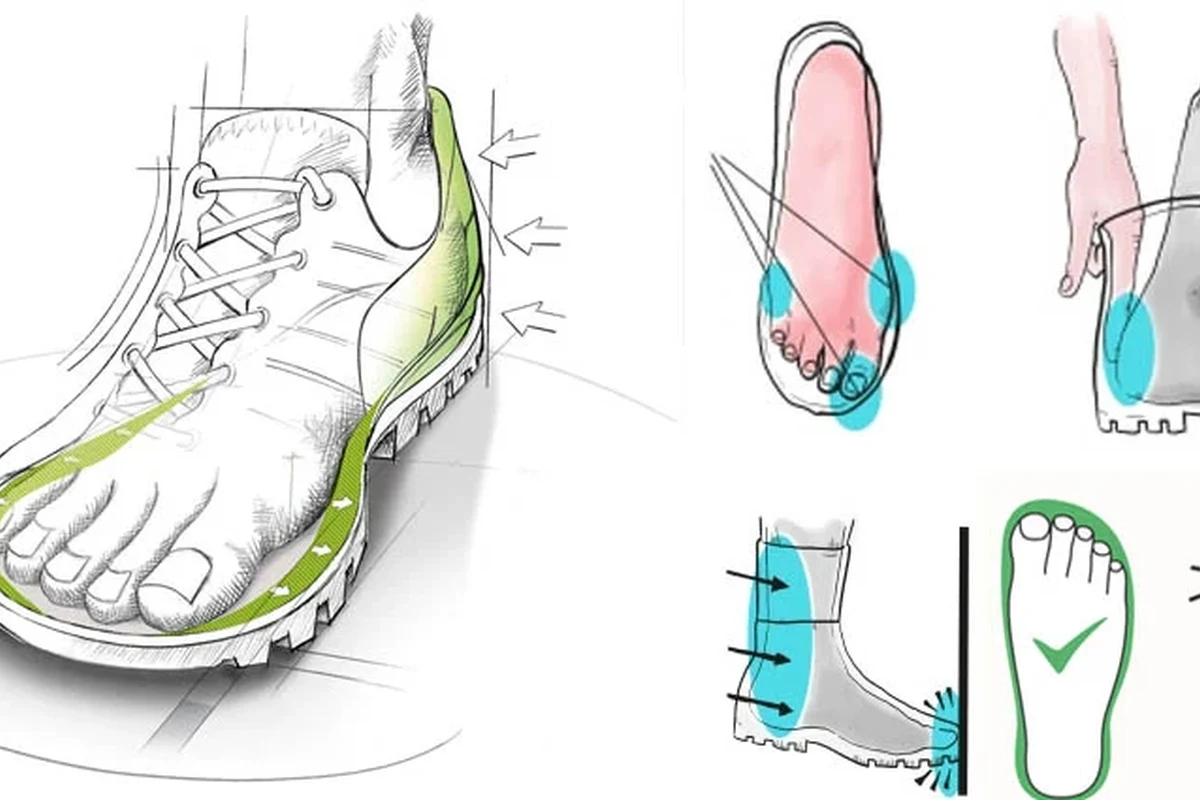
Select moisture-wicking socks to reduce blisters. Try different sock thicknesses to find your ideal fit. Ensure there’s enough space for toes during downhill runs.
Pay attention to how your feet feel in the boots with various sock options, particularly if you plan on running downhill, as this can impact your toe room significantly. For closely related guidance, read can you wear running shoes for hiking safely.
🥾 Ethan Carter’s Tip: A good outdoor decision leaves room for changing weather, uncertain conditions, and the option to turn back.
Break-In Without Ignoring Pressure Points
Breaking in hiking boots is essential before using them for running. A proper break-in period helps mold the boot to your foot, reducing the risk of blisters and discomfort. During this time, be mindful of any pressure points that may develop.
- Start with short walks to gradually break them in.
- Adjust lacing techniques to alleviate pressure points.
- Monitor for hotspots during the break-in process.
Avoid long runs until you are confident in the fit and comfort of your boots. Proper break-in can enhance your overall running experience. This topic also connects with water resistant hiking boots womens.
Evaluate your hiking boots before deciding to run in them, focusing on fit and terrain compatibility.
Care and Replacement Signs
Regular maintenance of your hiking boots is essential for longevity, especially if you’re using them for running. Signs that your boots may need replacing include worn-out soles, loss of waterproofing, or persistent discomfort.
Inspect soles for uneven wear. Check for cracks or damage in the upper material. Assess insole support and cushioning over time.
Keeping your boots in good shape can ensure they remain suitable for running. Regular cleaning and inspection can extend their life and performance.
Final Check: Can You Run in Hiking Boots?
Ultimately, whether you can run in hiking boots depends on various factors, including fit, terrain, and conditions. While hiking boots can provide the necessary support for some types of running, they may not always be the best option for speed or comfort.
Consider your specific running needs and environment. If you frequently run on rugged trails, well-fitted hiking boots could serve you well. However, for more casual runs or smoother surfaces, a pair of lightweight trail running shoes may be the better choice.
Questions About Run Hiking Boots
Yes, hiking boots can be used for running, especially on rugged terrain, but they may not provide the same performance as running shoes.
Consider fit, terrain type, breathability, and the socks you’ll wear. These factors can significantly affect your running experience.
Your hiking boots should feel snug without being too tight, with enough room for your toes to wiggle and no pressure points.
Regularly clean your hiking boots, inspect for wear, and replace them when necessary to ensure optimal performance.
Yes, breaking in hiking boots is essential to avoid discomfort and blisters during use, especially if you plan to run in them.