

Men’s waterproof trail running shoes are essential for keeping your feet dry and comfortable on various terrains. Look for a proper fit, traction, and breathability to enhance your outdoor experience.
Last updated: October 21, 2026
When looking for the best men’s waterproof trail running shoes, it’s crucial to find a pair that balances comfort, fit, and durability.
These shoes are designed to keep your feet dry and provide solid traction on various terrains, making them ideal for trail running and hiking alike.
This article dives into the key features to consider when selecting men’s waterproof trail running shoes, ensuring you make an informed choice for your next outdoor adventure.
- Fit both feet: Test men’s waterproof trail running shoes with the intended socks and enough toe room for descents.
- Terrain determines support: Traction, stiffness, cushioning, and protection should match the surface and carried load.
- Waterproofing has trade-offs: More weather protection can reduce breathability and increase drying time.
- Replace worn performance: Loss of tread, support, cushioning, or structural integrity can reduce control and comfort.
What Good Men’s Waterproof Trail Running Shoes Fit Feels Like
A proper fit is essential for comfort and performance in men’s waterproof trail running shoes. Look for shoes that snugly fit the heel and midfoot while allowing enough space in the toe box to prevent discomfort.
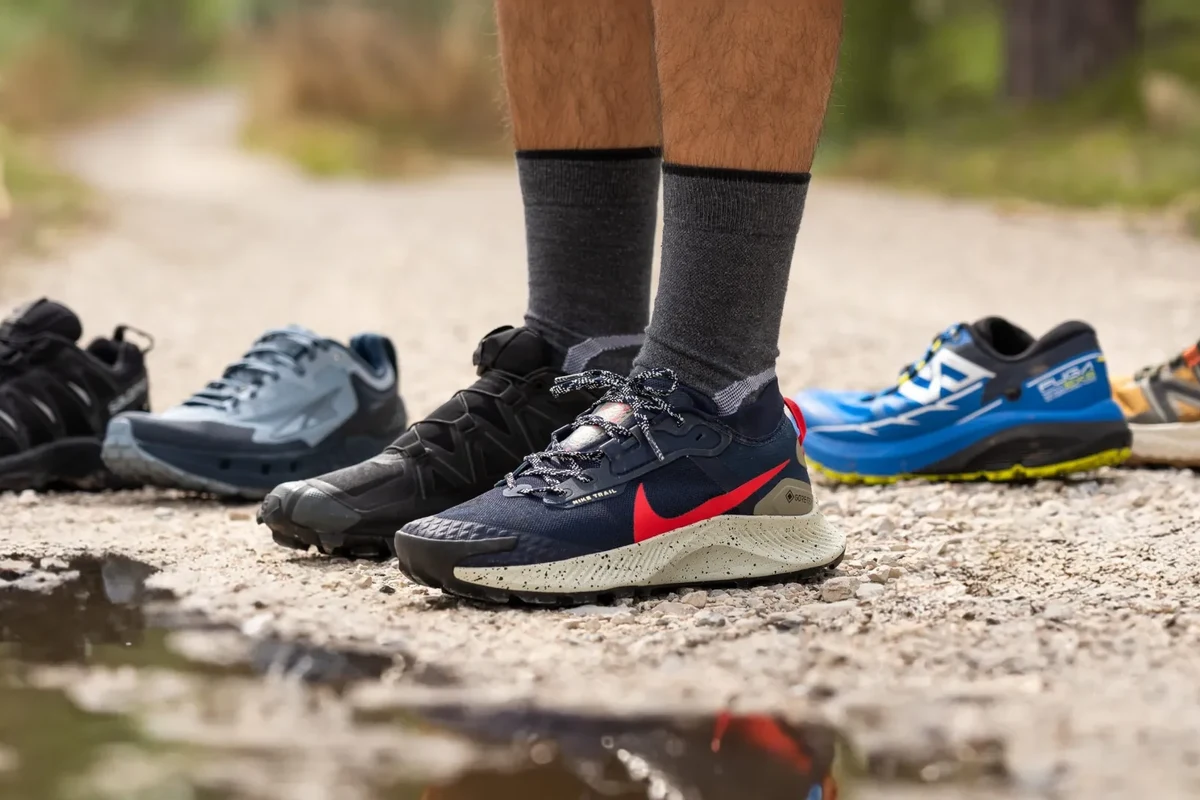
- Ensure a snug heel fit to prevent slippage.
- Check for adequate toe box space to avoid bruising.
- Consider trying on shoes with the socks you plan to wear.
Different brands may have unique sizing, so it’s important to try on multiple options and walk around to find the best fit. For a closer look at fit and compatibility, see can you use trail running shoes for hiking safely.
What Good Men’s Waterproof Trail Running Shoes Fit Feels Like: Key Points at a Glance
Use this quick reference to review the main decisions and checks from What Good Men’s Waterproof Trail Running Shoes Fit Feels Like.
| Section Point | Practical Meaning |
|---|---|
| A Proper Fit Is Essential For | A proper fit is essential for comfort and performance in men’s waterproof trail running shoes. Look for shoes that snugly fit the heel and midfoot while allowing |
| Ensure a Snug Heel Fit To | Ensure a snug heel fit to prevent slippage. |
| Check for Adequate Toe Box Space | Check for adequate toe box space to avoid bruising. |
| Consider Trying on Shoes with The | Consider trying on shoes with the socks you plan to wear. |
| Different Brands May Have Unique Sizing | Different brands may have unique sizing, so it’s important to try on multiple options and walk around to find the best fit. |
Use this guide for men’s waterproof trail running shoes only after matching it to the activity, conditions, user, and current official information.
Match Traction and Support to the Terrain
The terrain you plan to run on should heavily influence your choice of men’s waterproof trail running shoes. Shoes with aggressive lugs provide better grip on slippery or uneven surfaces.
Choose shoes with deep, multi-directional lugs for rugged trails. Consider shoes with flatter soles for smoother surfaces. Evaluate your local terrain to select the right support and traction features.
Additionally, consider the shoe’s cushioning and support features, as these can significantly affect your comfort and performance on different terrains. The guide are trail running shoes good for hiking pros and cons expands on a closely related trail decision.
- Confirm the use case.
- Verify changing facts.
- Keep a safer backup option.
Waterproofing, Breathability, and Drying Trade-Offs
Men’s waterproof trail running shoes utilize various materials to keep your feet dry while also managing breathability. Understanding the trade-offs between waterproofing and breathability is crucial.
- Gore-Tex and similar materials offer excellent waterproofing.
- Mesh panels can enhance breathability but may compromise waterproofing.
- Look for shoes that balance both for optimal comfort.
When shopping, consider your typical weather conditions and how wet or dry your trails are likely to be. A useful next reference is trail running shoes long distance.
Socks, Swelling, and Downhill Toe Room
Using the right socks can greatly enhance the performance of your men’s waterproof trail running shoes. Proper sock choice can help manage moisture and swelling during runs.

Opt for moisture-wicking socks to keep your feet dry. Consider thicker socks for added cushioning and warmth. Ensure there’s enough room for your toes, especially when going downhill.
Adequate toe room is critical, particularly when running downhill, as your feet tend to slide forward in the shoe. For closely related guidance, read trail running shoes technical terrain.
🥾 Ethan Carter’s Tip: A good outdoor decision leaves room for changing weather, uncertain conditions, and the option to turn back.
Break-In Without Ignoring Pressure Points
Breaking in your new men’s waterproof trail running shoes is essential for comfort. However, it’s important to monitor for any pressure points that could lead to blisters.
- Start with short runs to allow the shoes to conform to your feet.
- Pay attention to any areas of discomfort during the break-in period.
- Use blister prevention techniques if you notice rubbing.
Finding the right balance during the break-in phase can help ensure your shoes will be comfortable for longer runs. This topic also connects with whats better for walking hiking sneakers or running shoes 2.
Ensure you verify the latest guidelines on trail conditions and shoe care before heading out.
Care and Replacement Signs
Proper care for your men’s waterproof trail running shoes can extend their lifespan. Regular cleaning and inspection for wear can help maintain their performance.
Clean mud and debris after each run to prevent material degradation. Inspect for worn-out soles or upper materials regularly. Replace shoes if you notice significant wear or if they lose waterproofing.
Keeping an eye on these factors can help you determine when it’s time to invest in a new pair.
Final Thoughts on Choosing Men’s Waterproof Trail Running Shoes
Choosing the right men’s waterproof trail running shoes involves considering fit, terrain, and personal preferences. It’s essential to prioritize comfort and performance to enhance your outdoor experiences.
Take the time to try different models, consider your typical running conditions, and don’t hesitate to invest in quality footwear that meets your needs.
Questions About Men’s Waterproof Trail Running Shoes
Look for a snug fit around the heel and midfoot, with enough toe box space to prevent discomfort during runs.
Regularly clean them after use, inspect for wear, and replace them when waterproofing starts to fail.
Yes, men’s waterproof trail running shoes can be suitable for hiking, especially on moderate trails.
Gore-Tex is a popular choice for waterproofing in trail running shoes, as it offers excellent protection while maintaining breathability.
Always try on shoes with the socks you plan to wear, and ensure there’s enough room in the toe box while maintaining a snug heel fit.