

Understanding what to wear on a hike women is essential for comfort and safety. Choose layers that suit the weather, exertion level, and ensure materials wick moisture effectively.
Last updated: October 21, 2026
When planning a hiking adventure, knowing what to wear on a hike women is essential for both comfort and safety. The right clothing can enhance your experience and keep you focused on the beautiful surroundings.
This article covers the best practices for layering, selecting materials, and ensuring your hiking outfit suits the conditions you’ll face.
- Dress for exertion: Choose what to wear on a hike women around activity level, wind, precipitation, and expected temperature changes.
- Manage moisture first: A dry, breathable layer system often matters more than simply adding thicker clothing.
- Protect movement and exposure: Check mobility, coverage, sun or wind protection, and compatibility with carried gear.
- Pack one useful adjustment: Bring a layer you can add or remove when pace, elevation, or weather changes.
Build Wear Hike Women as a Layering System
Creating a functional layering system is crucial for comfort while hiking. Each layer serves a specific purpose, from moisture-wicking to insulation and protection against the elements.
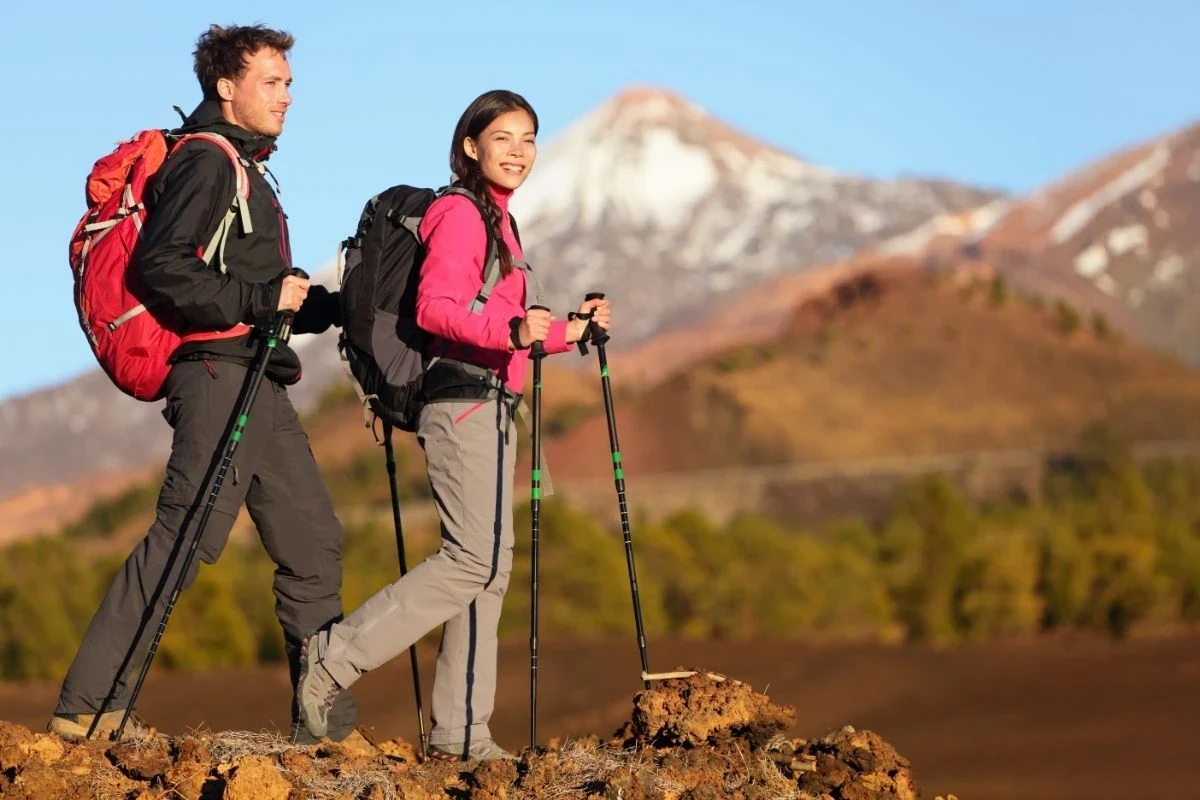
- Base Layer: Wicks moisture away from your skin.
- Insulating Layer: Retains body heat in cooler conditions.
- Outer Layer: Shields against wind, rain, and other environmental factors.
Understanding how these layers interact ensures you stay comfortable throughout your hike. For more on choosing the right layers, check out our detailed guide.
Build Wear Hike Women as a Layering System: Key Points at a Glance
Use this quick reference to review the main decisions and checks from Build Wear Hike Women as a Layering System.
| Section Point | Practical Meaning |
|---|---|
| Creating a Functional Layering System Is | Creating a functional layering system is crucial for comfort while hiking. Each layer serves a specific purpose, from moisture-wicking to insulation and protection |
| Base Layer: Wicks Moisture Away From | Base Layer: Wicks moisture away from your skin. |
| Insulating Layer: Retains Body Heat In | Insulating Layer: Retains body heat in cooler conditions. |
| Outer Layer: Shields Against Wind, Rain | Outer Layer: Shields against wind, rain, and other environmental factors. |
| Understanding How These Layers Interact Ensures | Understanding how these layers interact ensures you stay comfortable throughout your hike. For more on choosing the right layers, check out our detailed guide . |
Start With Temperature, Wind, and Exertion
Your clothing choices depend largely on the weather conditions and the intensity of your hike. Consider temperature, wind chill, and your personal level of exertion when selecting gear.
Temperature: Dress in layers to adjust as needed. Wind: Choose wind-resistant fabrics for protection. Exertion Level: Opt for breathable materials for high-intensity hikes.
For specific weather conditions, refer to local forecasts to plan your outfit accordingly. This preparation is key for a successful outing. For closely related guidance, read what to wear to hike in winter.
Plan what to wear on a hike women around exertion, wind, moisture, and stops—not air temperature alone.
Base Layers, Insulation, and Weather Protection
Your base layer is the first line of defense against the elements. It should be made of moisture-wicking fabrics that keep you dry and comfortable.
Base Layer Materials
Look for synthetic or merino wool fabrics that offer excellent moisture management. Avoid cotton, as it retains moisture and can lead to chills.
Insulation Layers
Fleece or down jackets serve well as insulation layers. They trap heat while remaining lightweight and packable.
Weather Protection
Your outer layer should provide adequate protection against rain and wind. Look for jackets with breathable membranes that allow moisture from sweat to escape. This topic also connects with what to wear on a hiking date.
Fit and Mobility Checks Before the Trip
Ensuring a proper fit is essential for comfort during your hike. Clothing that is too tight or too loose can hinder movement and cause discomfort.
- Test Mobility: Raise your arms and bend at the waist to check fit.
- Layer Compatibility: Ensure layers can be worn together without restriction.
- Size Up When Layering: Consider sizing up to accommodate multiple layers.
Before heading out, try on your full outfit to ensure you can move freely and comfortably. This step helps avoid surprises on the trail.
- Vent before sweating heavily.
- Keep weather protection accessible.
- Protect a dry layer for stops.
How to Vent Without Getting Chilled
Ventilation is crucial during physical exertion to avoid overheating. Learn to regulate your temperature effectively.

Open Zippers: Use zippers on jackets to release heat. Layer Strategically: Remove layers as needed to cool down. Choose Breathable Fabrics: Select materials designed for airflow.
Proper ventilation techniques can prevent sweating and subsequent chills, enhancing your overall comfort during the hike.
In cold conditions, wet clothing can reduce insulation and make temperature control harder.
Care, Drying, and Storage Between Uses
Taking care of your hiking clothes ensures longevity and performance. Follow these simple care guidelines.
- Wash Properly: Follow care labels for washing instructions.
- Air Dry: Avoid heat drying to preserve fabric integrity.
- Store Dry: Ensure clothes are completely dry before storing them away.
Proper maintenance helps your gear perform better and last longer. For more tips on gear care, refer to our article on wearing hiking gear safely.
Clothing Mistakes That Reduce Comfort or Safety
Avoid common pitfalls that can lead to discomfort or even danger while hiking. Being aware of these mistakes can significantly enhance your experience.
Ignoring Weather Conditions: Always check the forecast before heading out. Choosing Cotton: Cotton can lead to chills and discomfort in wet conditions. Overpacking Layers: Too many layers can restrict movement and cause overheating.
By recognizing and avoiding these errors, you can ensure a more enjoyable and safe hiking experience.
Bottom Line on Choosing What to Wear on a Hike Women
Choosing the right clothing for hiking involves understanding layering, fit, and the weather. Prioritize comfort, mobility, and protection to enhance your outdoor experience.
By following these guidelines, you can confidently select what to wear on a hike women that keeps you comfortable and stylish on the trail.
For further reading, consider our articles on winter hiking attire and clothing for hiking dates.
Questions About Wear Hike Women
Opt for moisture-wicking fabrics like merino wool or synthetic materials. These fabrics help keep you dry and comfortable during hikes.
Yes, layering allows you to adjust your clothing based on temperature changes and exertion levels.
Choose hiking shoes that offer good support, traction, and are suited to the terrain you’ll be on.
Test your hiking outfit before the trip to ensure freedom of movement and comfort.
For a day hike, wear a moisture-wicking base layer, an insulating layer, and a weather-resistant outer layer. Choose comfortable, durable pants and supportive footwear.