

Yes, you can wear hiking boots in the snow, but it’s crucial to choose boots designed for cold, wet conditions. Look for features like insulation and waterproofing for optimal performance.
Last updated: October 21, 2026
When considering whether you can wear hiking boots in the snow, it’s essential to evaluate their design and functionality. Not all hiking boots are suitable for snowy conditions, and understanding their features can significantly impact your winter hiking experience.
This article explores how hiking boots perform in snow, their traction capabilities, waterproofing, and how to ensure a comfortable fit for winter adventures.
- Boot Features Matter: Insulation and waterproofing are essential for snow conditions.
- Choose the Right Traction: Select boots with deep lugs for better grip on icy surfaces.
- Sock Selection is Key: Thicker, moisture-wicking socks help keep feet warm and dry.
- Regular Maintenance is Crucial: Clean and inspect your boots to extend their lifespan.
What Good Wear Hiking Boots Snow Fit Feels Like
Wearing hiking boots in the snow can provide the support and traction needed for winter hikes. However, it depends on the specific boot design, including insulation and waterproofing features.
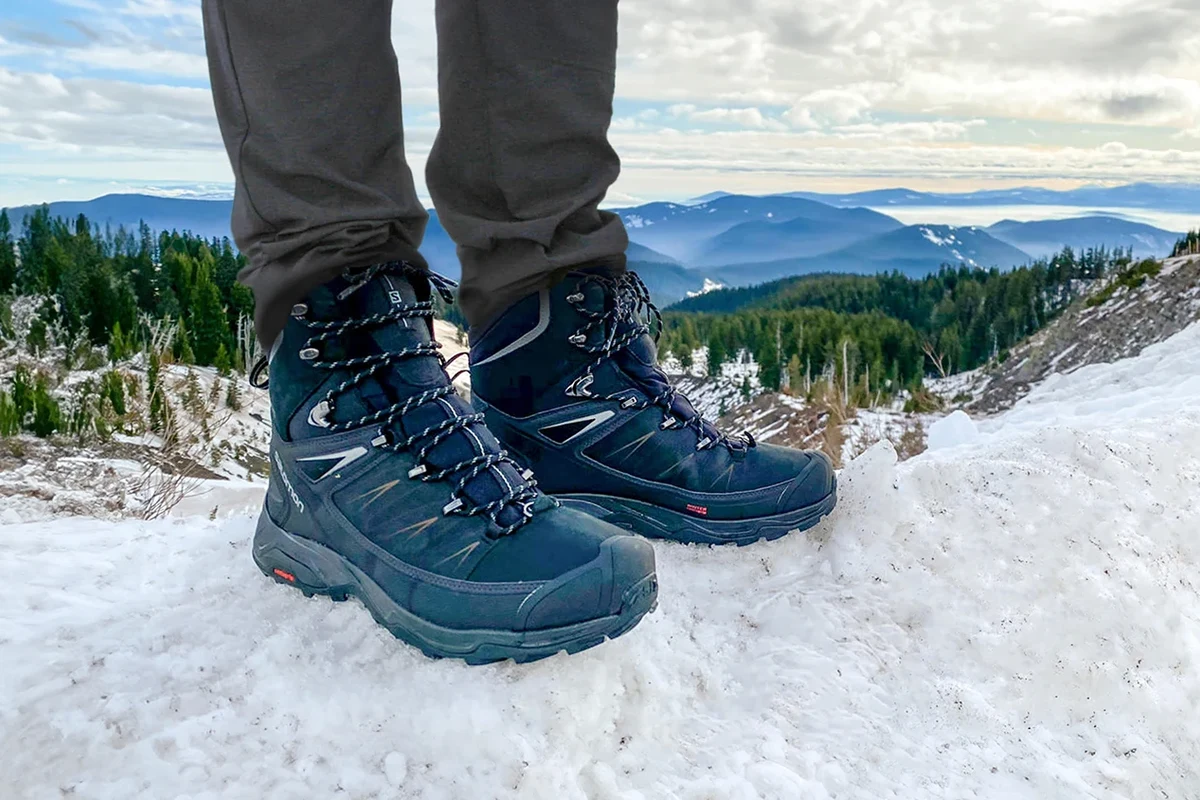
- Fit and Comfort: A snug fit prevents blisters and offers stability.
- Insulation: Look for boots with adequate insulation to keep your feet warm.
- Traction: Boots should offer good grip on icy or snowy surfaces.
To assess if your hiking boots fit well in the snow, consider how they feel during movement. Your toes should have enough space to wiggle without experiencing pressure. For a closer look at fit and compatibility, see can you wear running shoes for hiking safely.
What Good Wear Hiking Boots Snow Fit Feels Like: Key Points at a Glance
Use this quick reference to review the main decisions and checks from What Good Wear Hiking Boots Snow Fit Feels Like.
| Section Point | Practical Meaning |
|---|---|
| Wearing Hiking Boots in the Snow | Wearing hiking boots in the snow can provide the support and traction needed for winter hikes. However, it depends on the specific boot design, including |
| Fit and Comfort: a Snug Fit | Fit and Comfort: A snug fit prevents blisters and offers stability. |
| Insulation: Look for Boots with Adequate | Insulation: Look for boots with adequate insulation to keep your feet warm. |
| Traction: Boots Should Offer Good Grip | Traction: Boots should offer good grip on icy or snowy surfaces. |
| To Assess If Your Hiking Boots | To assess if your hiking boots fit well in the snow, consider how they feel during movement. Your toes should have enough space to wiggle without experiencing |
Different terrains require varying boot features; understanding these can help you choose the right pair for snowy conditions.
Match Traction and Support to the Terrain
Choosing the right boots for snowy terrain is crucial for safety and performance. Look for hiking boots with deep lugs and a sturdy outsole to enhance grip on slick surfaces.
Types of Outsoles: Rubber outsoles provide excellent traction on snow and ice. Boot Height: Taller boots can offer better ankle support and keep snow out. Flexibility: A stiffer sole can provide better support on uneven surfaces.
When hiking in snowy conditions, it’s essential to match your boot’s traction capabilities to the terrain. For icy trails, look for boots specifically designed for winter hiking. The guide do princesses wear hiking boots expands on a closely related trail decision.
Use this guide for can you wear hiking boots in the snow only after matching it to the activity, conditions, user, and current official information.
Waterproofing, Breathability, and Drying Trade-Offs
Waterproofing is vital for hiking boots used in snow, as wet conditions can lead to cold feet. However, consider the trade-off between waterproofing and breathability.
- Waterproof Membranes: Gore-Tex is a common material that keeps water out while allowing moisture to escape.
- Breathability: Look for boots that balance waterproofing with breathability to avoid overheating.
- Drying Time: Consider how quickly your boots can dry after being wet.
While waterproof hiking boots are essential for snow, excessive waterproofing can reduce breathability, leading to sweat accumulation. Choose boots that suit the conditions you expect to encounter. A useful next reference is can you run in hiking boots.
- Test your boots in wet conditions before your trip.
- Use moisture-wicking socks to keep your feet dry.
- Always bring an extra pair of socks in case of unexpected moisture.
Socks, Swelling, and Downhill Toe Room
The type of socks you wear with your hiking boots in the snow can significantly affect comfort. Opt for thicker, moisture-wicking socks designed for winter use.
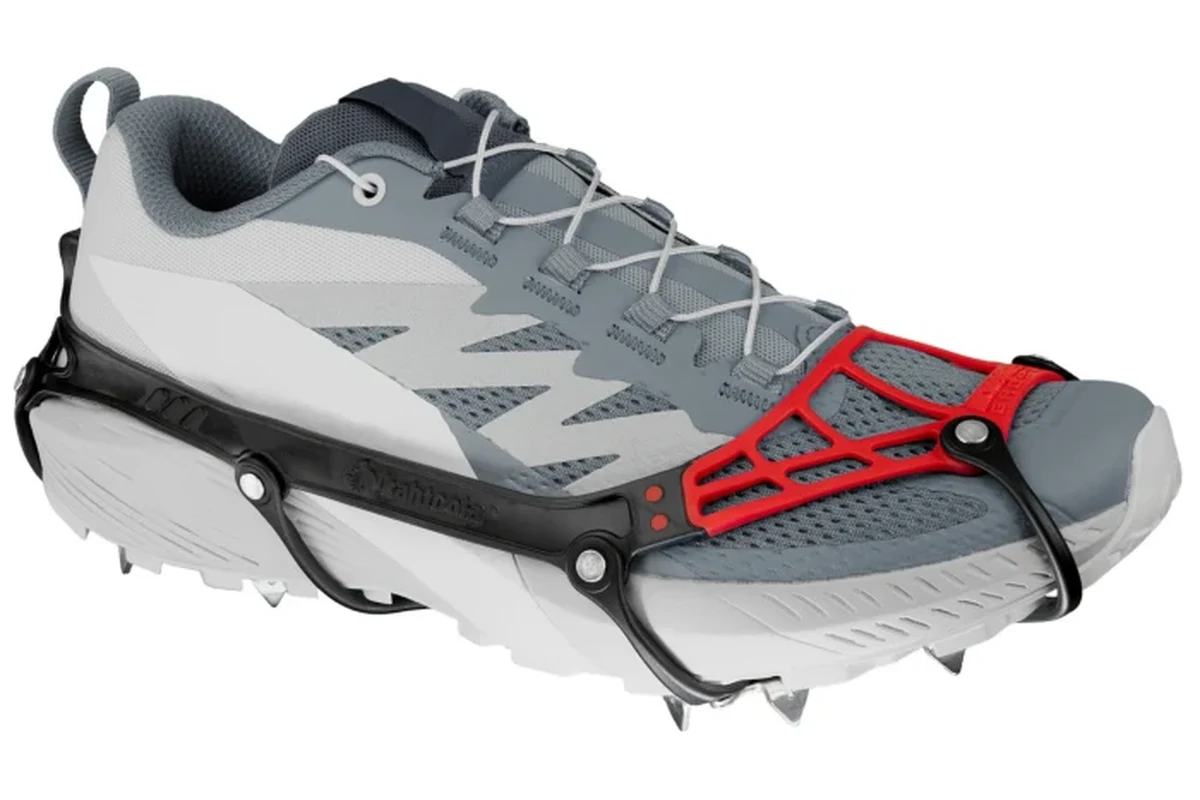
Toe Space: Ensure there’s enough room in the toe box to prevent painful swelling. Sock Material: Merino wool is an excellent choice for warmth and moisture management. Layering: Consider wearing a thin liner sock under a thicker sock for added warmth.
Proper sock selection and fit can prevent discomfort during long hikes, especially as your feet may swell in cold conditions. For closely related guidance, read are hiking boots good for snow complete guide.
- Confirm the use case.
- Verify changing facts.
- Keep a safer backup option.
Break-In Without Ignoring Pressure Points
Before heading into snowy conditions, it’s important to break in your hiking boots to prevent blisters. This process allows your feet to adjust to the boot’s structure.
- Gradual Wear: Start by wearing your boots for short hikes.
- Focus Areas: Pay attention to any pressure points or discomfort.
- Adjustments: Consider using insoles or adjusting lacing techniques for better fit.
A well-broken-in boot can enhance comfort and performance when hiking in snow, making it easier to navigate challenging terrain. This topic also connects with most comfortable hiking boots all day wear 2.
Always ensure your boots are in good condition before hitting snowy trails to avoid injury.
Care and Replacement Signs
Maintaining your hiking boots is essential for their longevity and performance, especially in snowy conditions. Regular care can prevent issues and ensure optimal functionality.
Cleaning: Remove dirt and snow after each hike to maintain materials. Inspection: Check for signs of wear, such as cracked soles or separation of materials. Replacement: If your boots no longer provide adequate support or waterproofing, consider replacing them.
Proper care and timely replacement of your hiking boots can make a significant difference in your winter hiking experience.
Conclusion: Comfort and Control Decide the Fit
Deciding if you can wear hiking boots in the snow ultimately comes down to comfort and control. Ensure your boots fit well, provide adequate traction, and are suited for the conditions you’ll encounter.
By understanding the features of hiking boots and their suitability for snow, you can enhance your outdoor experience and stay safe during winter adventures.
Questions About Wear Hiking Boots Snow
No, not all hiking boots are suitable for snowy conditions. Look for boots specifically designed for winter use.
Opt for thicker, moisture-wicking socks that provide warmth and comfort during cold weather hikes.
Check for labels or specifications indicating waterproof materials like Gore-Tex, or perform a water test to see if moisture penetrates.
Replace your hiking boots when you notice significant wear, lack of support, or if they no longer keep your feet dry.
It’s only safe if the boots are designed for snow, offering proper insulation and traction. Regular hiking boots may not provide adequate protection.