

Yes, hiking boots are generally good for walking, especially on uneven terrain. They offer support and traction, making them ideal for various outdoor conditions.
Last updated: October 21, 2026
When considering whether hiking boots are good for walking, it’s essential to understand their design and purpose. Hiking boots provide support and traction, making them suitable for various terrains. However, their effectiveness for walking depends on specific factors like fit and terrain.
This article will explore the compatibility of hiking boots for walking, focusing on fit, traction, waterproofing, and maintenance to help you make an informed decision.
- Fit Matters: A snug fit is essential for comfort.
- Terrain Awareness: Match traction to the walking surface.
- Waterproof vs. Breathable: Find a good balance for your needs.
- Care Routine: Regular maintenance extends boot life.
What Good Hiking Boots Good Walking Fit Feels Like
A proper fit is crucial when determining if hiking boots are good for walking. They should provide a snug yet comfortable fit without pinching or causing blisters. The heel should stay in place while allowing your toes to wiggle slightly. For a closer look at fit and compatibility, see are hiking shoes good for walking 2.
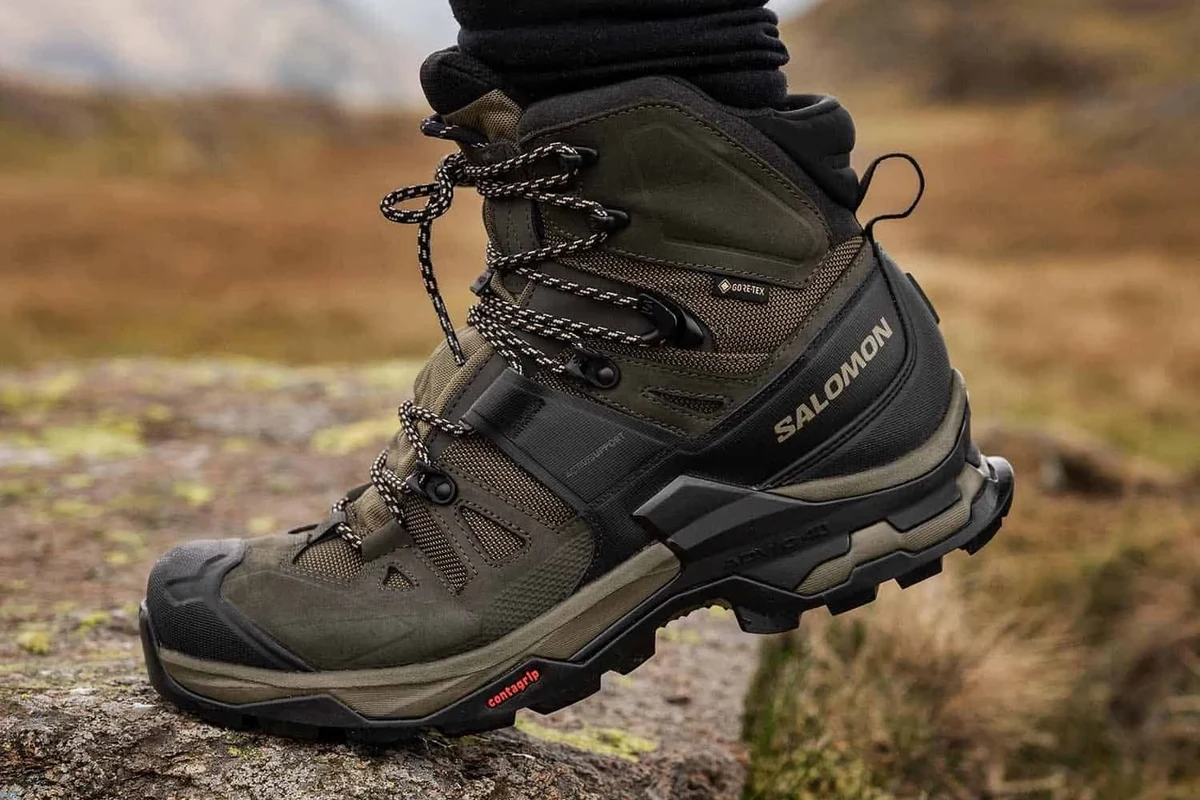
- Check for a snug heel lock to prevent slippage.
- Ensure enough room in the toe box for comfort.
- Consider the width to avoid pressure points.
Finding the right fit will enhance your walking experience, ensuring comfort during longer treks.
What Good Hiking Boots Good Walking Fit Feels Like: Key Points at a Glance
Use this quick reference to review the main decisions and checks from What Good Hiking Boots Good Walking Fit Feels Like.
| Section Point | Practical Meaning |
|---|---|
| A Proper Fit Is Crucial When | A proper fit is crucial when determining if hiking boots are good for walking. They should provide a snug yet comfortable fit without pinching or causing blisters |
| Check for a Snug Heel Lock | Check for a snug heel lock to prevent slippage. |
| Ensure Enough Room in the Toe | Ensure enough room in the toe box for comfort. |
| Finding the Right Fit Will Enhance | Finding the right fit will enhance your walking experience, ensuring comfort during longer treks. |
Hikers looking for stability and support.
Rugged terrains or uneven surfaces.
Casual walkers on smooth paths.
Match Traction and Support to the Terrain
Hiking boots are designed with different levels of traction and support tailored for various terrains. When walking on rocky or uneven surfaces, boots with deeper lugs and stiff soles provide stability and prevent slips.
Consider the terrain: rocky trails may require more aggressive tread patterns. For smooth paths, lighter boots may suffice. Check the outsole material for durability and grip. The guide are red wing boots good for hiking expands on a closely related trail decision.
Selecting the right boot based on your walking environment will enhance both safety and comfort.
Use this guide for are hiking boots good for walking only after matching it to the activity, conditions, user, and current official information.
Waterproofing, Breathability, and Drying Trade-Offs
Many hiking boots offer waterproofing features, which are beneficial in wet conditions. However, this can sometimes come at the cost of breathability. Understanding the balance between these features is essential for comfort during walks. A useful next reference is are timberland hiking boots good for trail adventures.
- Fully waterproof boots keep your feet dry but may retain heat.
- Breathable materials help regulate temperature but can let moisture in.
- Look for boots with a waterproof membrane for a solid balance.
Assessing your local climate and terrain can guide your choice in waterproofing versus breathability.
Socks, Swelling, and Downhill Toe Room
The choice of socks significantly impacts the fit and comfort of hiking boots while walking. Opt for moisture-wicking and cushioned socks to reduce friction and prevent blisters. Also, consider how your feet swell during prolonged activity.
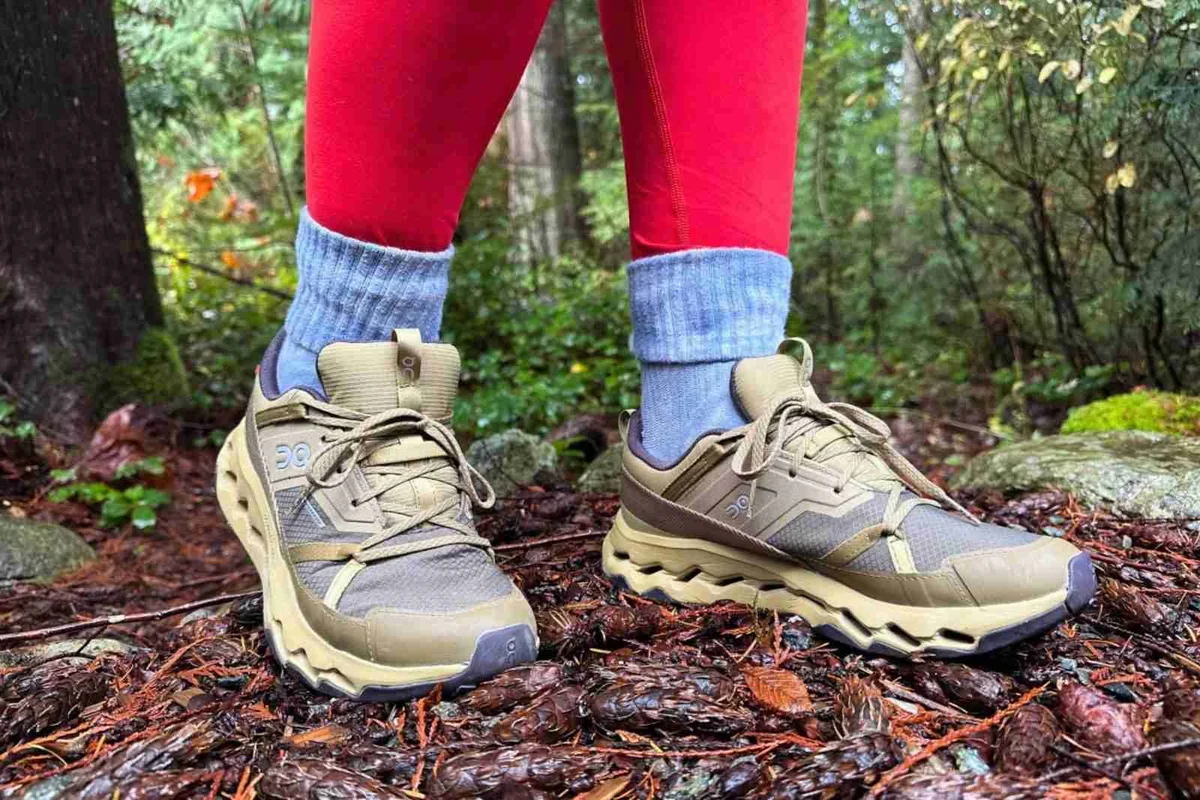
Choose socks that complement the boot’s fit. Ensure enough toe room for downhill descents to prevent discomfort. Test different sock thicknesses to find the best combination. For closely related guidance, read are sorel boots good for hiking 2.
Taking these factors into account will enhance your overall walking experience.
- Confirm the use case.
- Verify changing facts.
- Keep a safer backup option.
Break-In Without Ignoring Pressure Points
New hiking boots often require a break-in period. Gradually wearing them can help mold them to your feet, improving comfort. However, pay attention to any pressure points that may develop during this time. This topic also connects with are work boots good for hiking.
- Start with short walks to break in the boots.
- Identify and address any pressure points immediately.
- Use blister prevention methods, such as moleskin or blister pads.
Properly breaking in your boots can prevent discomfort on longer walks.
🥾 Ethan Carter’s Tip: A good outdoor decision leaves room for changing weather, uncertain conditions, and the option to turn back.
Care and Replacement Signs
Regular care extends the life of your hiking boots. Clean them after each use and store them properly. Additionally, be aware of signs that indicate it’s time for a replacement, such as worn soles or compromised waterproofing.
Inspect outsoles for signs of wear regularly. Check for any leaks or damage in the waterproofing. Replace boots when cushioning deteriorates or fit changes.
Maintaining your hiking boots ensures they remain effective for walking on various terrains.
Conclusion: Comfort and Control Decide the Fit
Ultimately, whether hiking boots are good for walking depends on their fit, terrain compatibility, and personal preference. Prioritize comfort, support, and environment to make the best choice for your walking adventures.
Questions About Hiking Boots Good Walking
While hiking boots excel on uneven terrains, they can be suitable for flat surfaces, especially if they offer comfort and support.
Yes, hiking boots can be used for everyday walking, particularly if you are walking on trails or uneven surfaces.
Measure your feet accurately and consider trying on boots with the socks you plan to wear for the best fit.
Focus on comfort, fit, traction, and waterproofing features that suit your walking conditions.
Replace hiking boots once they show significant wear, typically after 500-800 miles or when they no longer provide adequate support.