

Yes, hiking shoes are generally good for walking, especially on uneven or rugged terrains. They provide support and traction, making them suitable for various walking conditions.
Last updated: October 9, 2026
When considering whether are hiking shoes good for walking, it’s essential to evaluate their design and intended purpose. Hiking shoes are crafted for rugged terrains, but they can also serve well on various walking surfaces, depending on the specific features they offer.
This article explores the fit, traction, waterproofing, and other factors that influence the effectiveness of hiking shoes for walking across different terrains.
- Fit both feet: Test are hiking shoes good for walking with the intended socks and enough toe room for descents.
- Terrain determines support: Traction, stiffness, cushioning, and protection should match the surface and carried load.
- Waterproofing has trade-offs: More weather protection can reduce breathability and increase drying time.
- Replace worn performance: Loss of tread, support, cushioning, or structural integrity can reduce control and comfort.
What Good Hiking Shoes Good Walking Fit Feels Like
A good fit in hiking shoes means comfort and security on your feet. They should feel snug but not restrictive, allowing for adequate toe space and heel support.
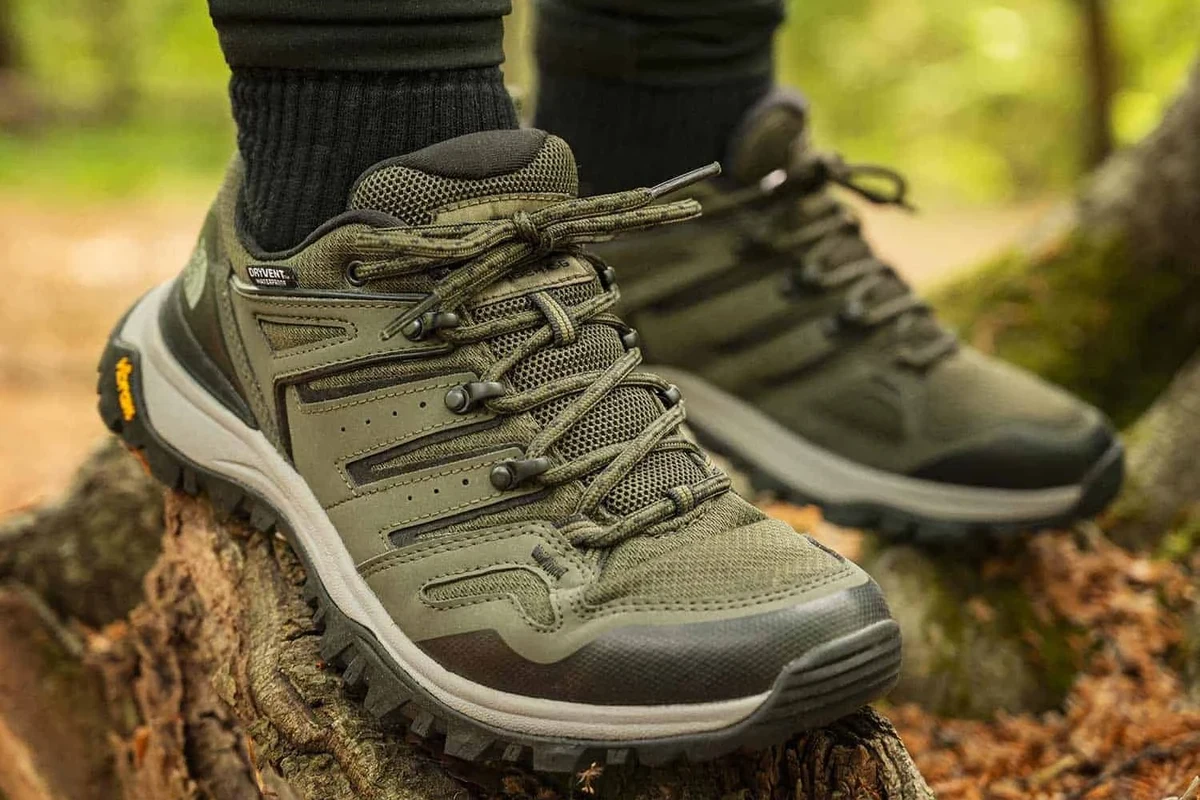
Proper sizing is crucial; too tight can cause blisters, while too loose may lead to instability. Always try on shoes with the socks you intend to wear during your activities. For a closer look at fit and compatibility, see are water shoes good for hiking.
What Good Hiking Shoes Good Walking Fit Feels Like: Key Points at a Glance
Use this quick reference to review the main decisions and checks from What Good Hiking Shoes Good Walking Fit Feels Like.
| Section Point | Practical Meaning |
|---|---|
| A Good Fit in Hiking Shoes | A good fit in hiking shoes means comfort and security on your feet. They should feel snug but not restrictive, allowing for adequate toe space and heel support. |
| Proper Sizing Is Crucial; Too Tight | Proper sizing is crucial; too tight can cause blisters, while too loose may lead to instability. Always try on shoes with the socks you intend to wear during your |
Use this guide for are hiking shoes good for walking only after matching it to the activity, conditions, user, and current official information.
Match Traction and Support to the Terrain
Different terrains demand varying levels of traction and support. Hiking shoes come with specialized outsoles designed for grip on rocky, muddy, or uneven surfaces.
For example, shoes with deep lugs are ideal for hiking on trails, while those with flatter soles may better serve urban walking. Consider where you’ll be walking most often before making your choice. The guide are barefoot shoes good for hiking expands on a closely related trail decision.
- Choose aggressive tread patterns for rocky or loose surfaces.
- Opt for smoother soles for pavement or indoor walking.
- Check the flexibility of the shoe; stiffer shoes provide more support.
- Confirm the use case.
- Verify changing facts.
- Keep a safer backup option.
Waterproofing, Breathability, and Drying Trade-Offs
When it comes to are hiking shoes good for walking, waterproofing is often a double-edged sword. While it keeps your feet dry, it can reduce breathability.
Consider climate and personal preference: if you often walk in wet conditions, waterproof shoes are essential. However, for warmer climates, breathable materials may be more comfortable. A useful next reference is are hiking boots good for walking.
- Waterproof shoes are great for rainy conditions.
- Breathable shoes are preferable for hot weather.
- Consider shoes that balance both features for versatility.
- Wear the socks you plan to use when trying on shoes.
- Consider the shoe’s fit after a long day of walking.
- Try downhill walking in-store to check toe space.
Socks, Swelling, and Downhill Toe Room
The right socks can enhance the experience of wearing hiking shoes. Choose moisture-wicking socks to prevent blisters and ensure comfort during extended walks.
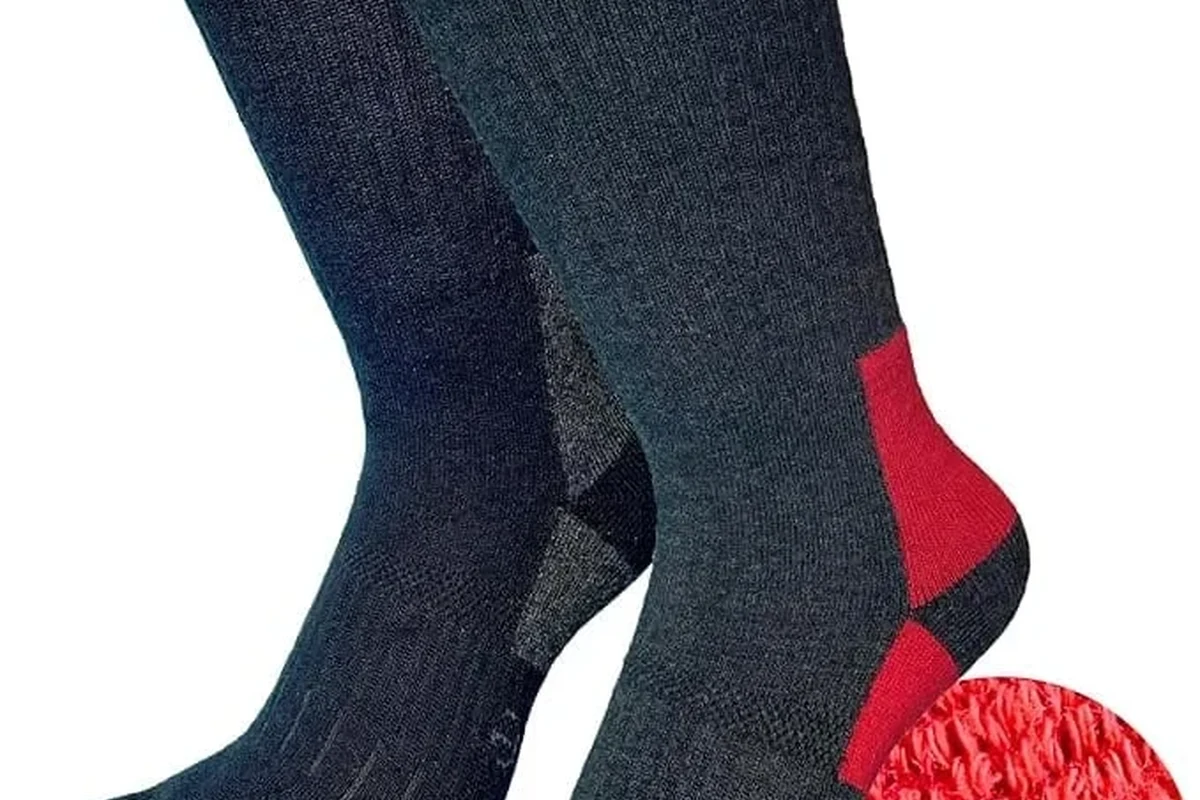
Additionally, consider the potential for foot swelling during long hikes. Ensure your shoes have enough toe room, especially when walking downhill, to prevent discomfort. For closely related guidance, read are hiking shoes good for snow.
🥾 Ethan Carter’s Tip: A good outdoor decision leaves room for changing weather, uncertain conditions, and the option to turn back.
Break-In Without Ignoring Pressure Points
Even the best shoes need a break-in period. Gradually wear them to help soften the materials and mold them to your feet.
Pay attention to any pressure points during the break-in process. If a specific area feels consistently uncomfortable, it may indicate a poor fit. This topic also connects with are running shoes good for hiking.
Worn-out shoes can lead to injuries, so replace them as needed to ensure proper support.
Care and Replacement Signs
To extend the life of your hiking shoes, regular care is essential. Clean them after each use and store them in a cool, dry place to prevent degradation.
Look for signs of wear, such as sole separation or loss of cushioning. If your shoes no longer provide the support they once did, it may be time to replace them.
Conclusion: Comfort and Control Decide the Fit
In conclusion, hiking shoes can be an excellent option for walking, provided they fit well and match the terrain. Prioritize comfort, traction, and support based on your intended use.
Always consider local conditions and personal preferences when selecting footwear. With the right pair, you can enjoy both hiking and walking with confidence.
Questions About Hiking Shoes Good Walking
Yes, hiking shoes can be suitable for urban walking, particularly if they offer a flatter sole and good cushioning.
Look for a comfortable fit, good traction, and appropriate breathability based on your walking environment.
Replace your hiking shoes when you notice signs of wear, such as sole separation or significant loss of cushioning.
Yes, but ensure they are waterproof if you expect to encounter wet environments.
Yes, breaking in hiking shoes is essential to ensure they conform to your feet and prevent discomfort during use.