

Yes, running shoes can be used for light hiking, but it’s important to consider factors like fit, terrain, and support. Choosing the right pair enhances comfort and reduces the risk of injury.
Last updated: October 21, 2026
When considering outdoor activities, many hikers wonder, can running shoes be used for light hiking? The answer is yes, but there are key factors to understand about comfort, support, and terrain adaptability.
In this article, we’ll explore the compatibility of running shoes for light hiking, including important considerations like fit, terrain, and care to ensure a safe and enjoyable experience.
- Proper fit is essential: Ensure there’s enough toe room and secure heel fit.
- Traction matters: Choose shoes with appropriate tread for your hiking terrain.
- Balance waterproofing and breathability: Consider climate conditions when selecting shoes.
- Break in your shoes: Test them on shorter hikes to identify pressure points.
What Good Running Shoes Be Used for Light Hiking Fit Feels Like
A proper fit is essential for running shoes used in light hiking. They should feel snug but not overly tight, allowing for some movement without causing blisters.
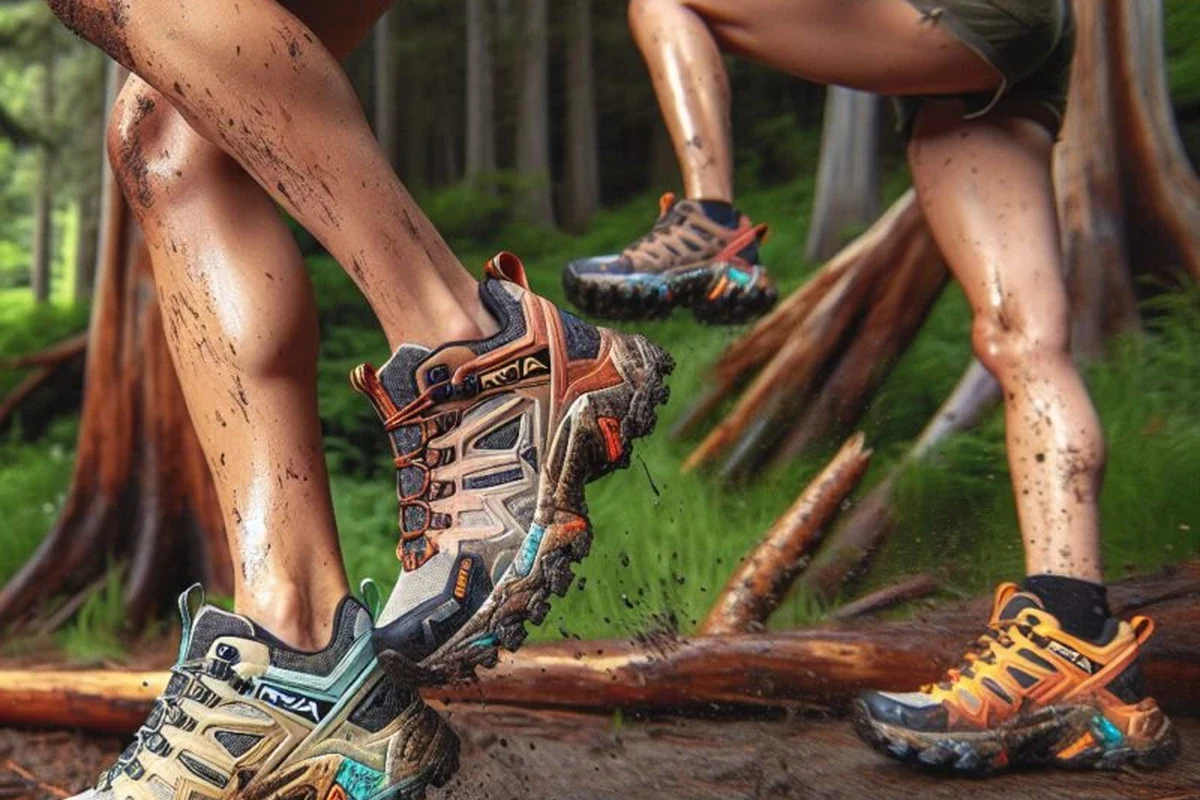
- Ensure there’s about a thumb’s width of space between your longest toe and the shoe’s end.
- Check for adequate arch support and cushioning to absorb impact.
- Look for a heel that holds your foot securely without slipping.
Finding the right balance between comfort and support will enhance your hiking experience. If you often hike downhill, prioritize a fit that provides extra toe room to prevent discomfort. For a closer look at fit and compatibility, see can you use trail running shoes for hiking safely.
What Good Running Shoes Be Used for Light Hiking Fit Feels Like: Key Points at a Glance
Use this quick reference to review the main decisions and checks from What Good Running Shoes Be Used for Light Hiking Fit Feels Like.
| Section Point | Practical Meaning |
|---|---|
| A Proper Fit Is Essential For | A proper fit is essential for running shoes used in light hiking. They should feel snug but not overly tight, allowing for some movement without causing blisters. |
| Ensure There’s About a Thumb’s Width | Ensure there’s about a thumb’s width of space between your longest toe and the shoe’s end. |
| Check for Adequate Arch Support And | Check for adequate arch support and cushioning to absorb impact. |
| Look for a Heel That Holds | Look for a heel that holds your foot securely without slipping. |
| Finding the Right Balance Between Comfort | Finding the right balance between comfort and support will enhance your hiking experience. If you often hike downhill, prioritize a fit that provides extra toe |
Match Traction and Support to the Terrain
Not all running shoes are created equal when it comes to traction. For light hiking, consider the terrain and select shoes designed for grip on various surfaces.
Look for shoes with a lugged outsole for better traction on slippery or uneven surfaces. Consider the shoe’s flexibility; a stiffer sole can provide better support on rocky trails. Evaluate the shoe’s tread pattern, which should suit the typical terrain you’ll encounter.
Matching your shoes to the terrain helps prevent slips and falls, ensuring a safer hiking experience. Light, smooth trails may not require as aggressive a tread as rougher, more technical paths. The guide can you wear running shoes for hiking safely expands on a closely related trail decision.
Use this guide for can running shoes be used for light hiking only after matching it to the activity, conditions, user, and current official information.
Waterproofing, Breathability, and Drying Trade-Offs
When selecting running shoes for light hiking, consider the trade-offs between waterproofing and breathability. Waterproof models keep your feet dry in wet conditions but can trap heat.
- Choose breathable materials for warmer climates to avoid overheating your feet.
- Consider mesh uppers for ventilation, especially if hiking in dry conditions.
- Evaluate if waterproofing features are essential based on your typical hiking environment.
Understand that while waterproof shoes can keep out moisture, they may sacrifice breathability. Always assess the weather and conditions you expect to encounter. A useful next reference is whats better for walking hiking sneakers or running shoes 2.
- Confirm the use case.
- Verify changing facts.
- Keep a safer backup option.
Socks, Swelling, and Downhill Toe Room
Choosing the right socks is crucial when pairing them with running shoes for light hiking. Good moisture-wicking socks can help prevent blisters and discomfort.
Opt for thicker socks if you expect your feet to swell during longer hikes. Ensure your shoes have ample toe room to accommodate swelling on downhill stretches. Avoid cotton socks as they retain moisture, leading to blisters.
Proper sock selection can enhance comfort and reduce the risk of blisters. Always try on your socks with your shoes to ensure a good fit. For closely related guidance, read whats better for walking hiking sneakers or running shoes.
🥾 Ethan Carter’s Tip: A good outdoor decision leaves room for changing weather, uncertain conditions, and the option to turn back.
Break-In Without Ignoring Pressure Points
Before embarking on a longer hike, it’s important to break in your running shoes. This process helps identify any pressure points that could lead to discomfort.
- Wear your shoes on shorter hikes to test their fit and comfort.
- Pay attention to any areas that cause rubbing or pressure, and adjust accordingly.
- Consider using moleskin or blister pads for problematic areas during the break-in period.
A proper break-in period can significantly enhance your hiking experience. Always prioritize comfort over style to avoid painful blisters. This topic also connects with are running shoes good for hiking.
Care and Replacement Signs
Proper care of your running shoes is essential for longevity. Regular cleaning and inspection can help maintain their performance for light hiking.
Clean your shoes after muddy hikes to prevent material breakdown. Check the outsole for signs of excessive wear, which may indicate it’s time for replacement. If the cushioning feels compressed or the shoe loses its shape, consider getting a new pair.
Maintaining your shoes not only prolongs their life but also ensures they perform well during hikes. Regular checks can help you avoid unexpected failures on the trail.
Conclusion: Comfort and Control Decide the Fit
In conclusion, yes, running shoes can be used for light hiking, provided they fit well and suit the terrain. Comfort, support, traction, and proper care are key factors in ensuring a successful hiking experience.
Always prioritize your comfort and safety while selecting gear for your outdoor adventures. Evaluate your specific needs, and happy hiking!
Questions About Running Shoes Be Used Light Hiking
Yes, running shoes can be suitable for moderate hiking if they provide enough support and traction for the terrain.
Trail running shoes are often the best choice for hiking as they offer better traction and durability compared to road running shoes.
Yes, wearing moisture-wicking socks can help prevent blisters and improve comfort during hikes.
Replace running shoes when you notice significant wear on the outsole or if they lose cushioning and support.
Running shoes can be used in wet conditions if they have waterproof features, but ensure they also remain breathable to avoid overheating.