

Choosing the right women’s lightweight waterproof hiking shoes is essential for comfort and performance on the trail. Focus on fit, terrain, and waterproofing features to make the best choice.
Last updated: October 21, 2026
Understanding Women’s Lightweight Waterproof Hiking Shoes starts with the exact activity, conditions, fit, limitations, and decision the reader needs to make. This guide organizes those factors into practical checks without repeating the quick answer or relying on unsupported claims.
In this article, we’ll explore key features to consider when selecting women’s lightweight waterproof hiking shoes, including fit, traction, and maintenance. Understanding these factors will help you make an informed decision for your next adventure.
- Fit is Key: Ensure shoes fit snugly but allow for toe movement.
- Terrain Matters: Match traction and support to the hiking conditions.
- Balance Waterproofing: Consider breathability alongside waterproof features.
- Break Them In: Gradually wear new shoes to avoid discomfort.
What Good Women’s Lightweight Waterproof Hiking Shoes Fit Feels Like
A proper fit is crucial for comfort during hikes. Good women’s lightweight waterproof hiking shoes should feel snug without being overly tight and provide adequate room for toe movement. For a closer look at fit and compatibility, see lightweight waterproof hiking pants womens.
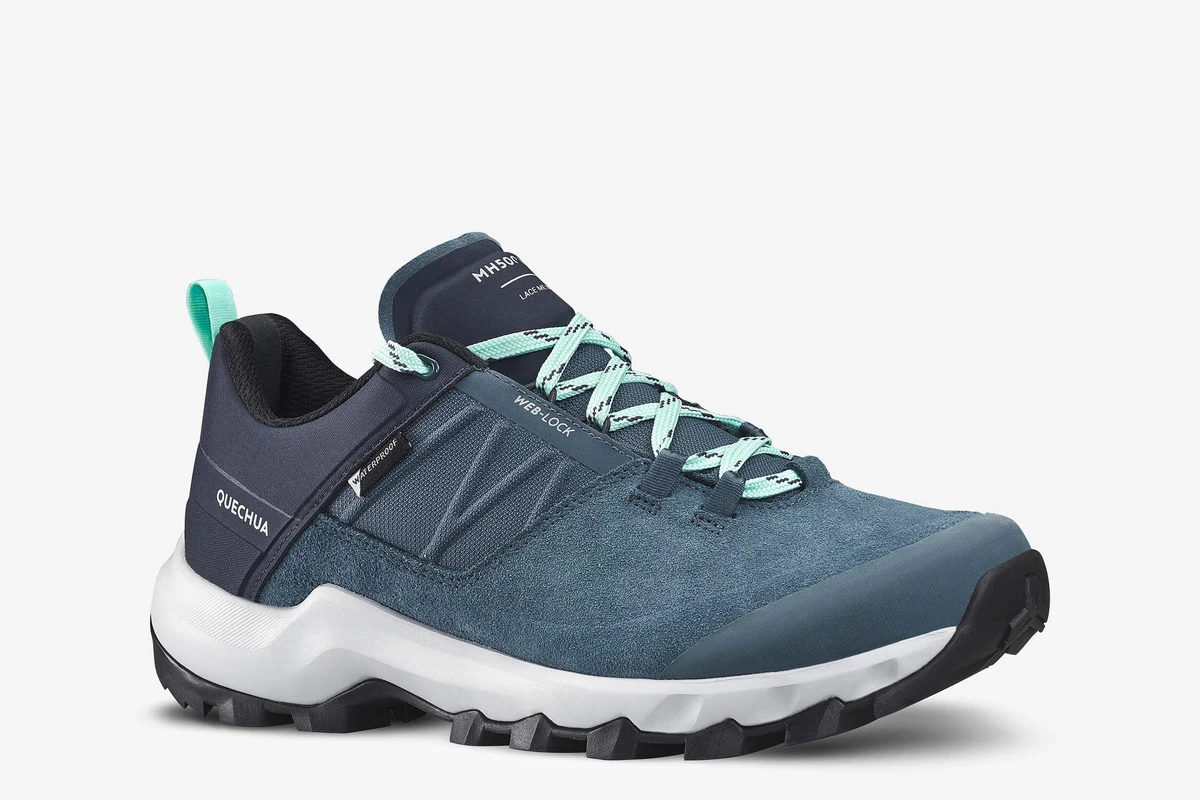
When trying on shoes, consider the following:
- Wear the socks you plan to hike in.
- Ensure there’s about a thumb’s width of space between your longest toe and the shoe’s end.
- Check for heel slippage and pressure points.
What Good Women’s Lightweight Waterproof Hiking Shoes Fit Feels Like: Key Points at a Glance
Use this quick reference to review the main decisions and checks from What Good Women’s Lightweight Waterproof Hiking Shoes Fit Feels Like.
| Section Point | Practical Meaning |
|---|---|
| A Proper Fit Is Crucial For | A proper fit is crucial for comfort during hikes. Good women’s lightweight waterproof hiking shoes should feel snug without being overly tight and provide adequate |
| Wear the Socks You Plan To | Wear the socks you plan to hike in. |
| Ensure There’s About a Thumb’s Width | Ensure there’s about a thumb’s width of space between your longest toe and the shoe’s end. |
Use this guide for women’s lightweight waterproof hiking shoes only after matching it to the activity, conditions, user, and current official information.
Match Traction and Support to the Terrain
Different terrains require varying levels of traction and support. Women’s lightweight waterproof hiking shoes should provide the right grip for the conditions you plan to encounter.
Consider the following terrain types:
Rocky Trails: Look for shoes with deep lugs for grip. Sandy Paths: A smoother sole may suffice. Wet Conditions: Consider shoes with rubber outsoles for enhanced traction. The guide are hiking shoes waterproof 2 expands on a closely related trail decision.
Understanding the terrain will help you select shoes that enhance stability and prevent slips.
- Confirm the use case.
- Verify changing facts.
- Keep a safer backup option.
Waterproofing, Breathability, and Drying Trade-Offs
Waterproofing is a key feature for hiking shoes, especially in wet conditions. However, it often comes with trade-offs in breathability.
Many waterproof shoes use membranes that keep water out but may trap heat and moisture inside. Consider these factors: A useful next reference is are merrell hiking shoes waterproof 2.
- Waterproof Membranes: Look for Gore-Tex or similar materials for effective waterproofing.
- Breathability: Choose shoes with mesh panels for better airflow.
- Drying Time: Consider how quickly shoes dry after exposure to water.
Finding the right balance between waterproofing and breathability is essential for comfort on the trail.
Socks, Swelling, and Downhill Toe Room
Choosing the right socks is just as important as selecting the right shoes. The combination affects comfort, fit, and performance.
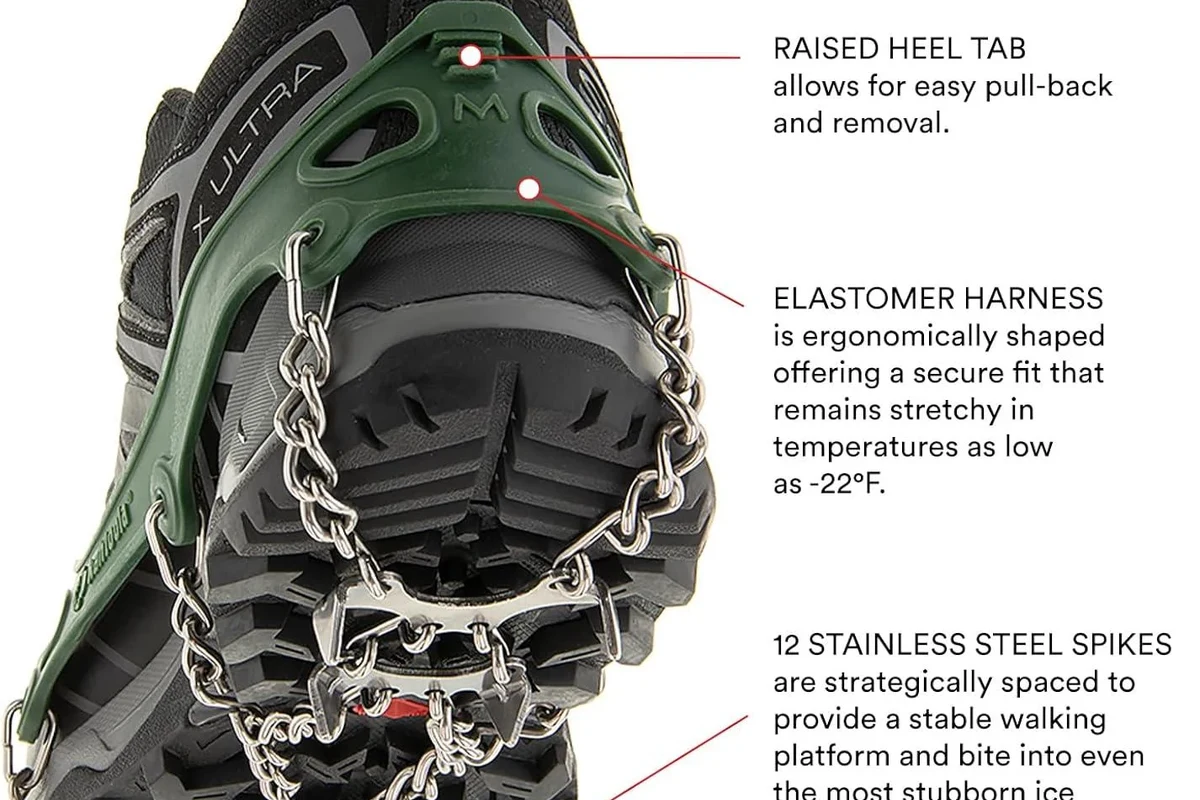
When hiking, your feet may swell, especially during long treks. Make sure your shoes have enough room to accommodate this swelling:
Opt for moisture-wicking socks to keep feet dry. Consider thicker socks for colder conditions. Ensure there’s adequate toe room for downhill hikes to prevent discomfort.
Testing your shoe and sock combination before a hike is a good practice to ensure you have the right fit and comfort level. For closely related guidance, read are hiking shoes waterproof.
🥾 Ethan Carter’s Tip: A good outdoor decision leaves room for changing weather, uncertain conditions, and the option to turn back.
Break-In Without Ignoring Pressure Points
Breaking in new shoes is vital to prevent blisters and discomfort during your hike. Take the time to gradually break in your women’s lightweight waterproof hiking shoes. This topic also connects with are merrell hiking shoes waterproof.
Here are some tips to effectively break in your shoes:
- Wear them around the house for short periods.
- Take them on shorter hikes to gradually increase the duration.
- Pay attention to pressure points and adjust accordingly.
A proper break-in period can significantly enhance your comfort on longer hikes.
Always check trail conditions, weather forecasts, and local guidelines before heading out to ensure a safe hiking experience.
Care and Replacement Signs
Taking care of your hiking shoes will extend their life and maintain performance. Regular cleaning and inspections are essential.
Look for these signs that may indicate it’s time to replace your shoes:
Worn-out tread causing loss of traction. Visible cracks or damage in the material. Persistent discomfort or pain while wearing them.
Regular maintenance, including cleaning and waterproofing treatments, is also recommended to keep your shoes in top shape.
Final Thoughts on Choosing Women’s Lightweight Waterproof Hiking Shoes
Choosing the right women’s lightweight waterproof hiking shoes involves understanding your specific needs and how they align with the features of the shoes.
Focus on fit, terrain compatibility, and care to ensure a comfortable hiking experience. By making informed choices, you can maximize your outdoor adventures while keeping your feet happy.
Questions About Women’s Lightweight Waterproof Hiking Shoes
Look for shoes made with Gore-Tex or similar waterproof membranes for effective moisture protection.
Your shoes should feel snug without causing discomfort, with enough room for your toes to move freely.
Replace your shoes when you notice significant wear on the tread or persistent discomfort during hikes.
Cotton socks are not recommended as they retain moisture; opt for moisture-wicking materials instead.
Focus on fit, traction, waterproofing, and breathability. These features are essential for comfort and performance on various terrains.