

When comparing trail running shoes vs hiking shoes, it’s essential to recognize that each serves different purposes. Trail runners are lightweight for speed, while hiking shoes provide stability and support.
Last updated: October 9, 2026
Choosing between the options in Trail Running Shoes vs Hiking Shoes starts with the activity, conditions, fit, and trade-offs that matter to the user. This guide organizes those factors into practical checks without repeating the quick answer or relying on unsupported claims.
This article will explore various factors like performance, fit, durability, and user suitability to help you make an informed decision.
- Weight Matters: Trail running shoes are lighter, enhancing speed and agility.
- Support Levels: Hiking shoes offer more ankle support for rugged terrain.
- Performance Varies: Choose based on terrain and activity type for best results.
- Fit Is Key: Ensure a proper fit for comfort in your chosen footwear.
The Real Difference in Trail Running Shoes vs Hiking Shoes
Trail running shoes and hiking shoes serve different purposes, and understanding these can guide your selection. Trail running shoes are lightweight and offer flexibility, ideal for speed on varied terrain. For a closer look at fit and compatibility, see can you use trail running shoes for hiking safely.
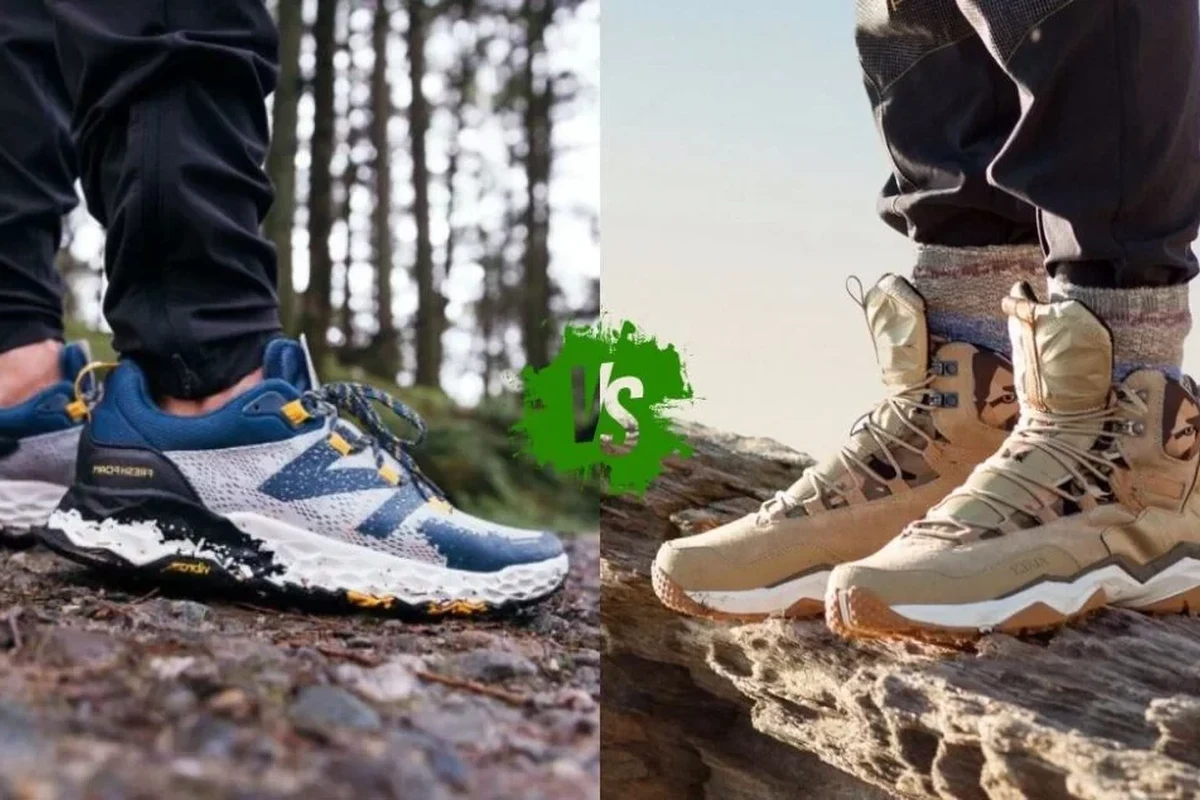
In contrast, hiking shoes are more robust, designed for stability and support during long treks.
- Weight: Trail running shoes are generally lighter than hiking shoes, making them suitable for quick movements.
- Support: Hiking shoes provide more ankle support and cushioning for rough terrains.
- Tread Design: Trail running shoes feature a more aggressive tread pattern for grip, while hiking shoes often prioritize durability.
The Real Difference in Trail Running Shoes vs Hiking Shoes: Side-by-Side Summary
Use this quick reference to review the main decisions and checks from The Real Difference in Trail Running Shoes vs Hiking Shoes.
| Comparison Point | Practical Difference |
|---|---|
| Trail Running Shoes and Hiking Shoes | Trail running shoes and hiking shoes serve different purposes, and understanding these can guide your selection. Trail running shoes are lightweight and offer |
| Weight: Trail Running Shoes Are Generally | Weight: Trail running shoes are generally lighter than hiking shoes, making them suitable for quick movements. |
| Support: Hiking Shoes Provide More Ankle | Support: Hiking shoes provide more ankle support and cushioning for rough terrains. |
| Tread Design: Trail Running Shoes Feature | Tread Design: Trail running shoes feature a more aggressive tread pattern for grip, while hiking shoes often prioritize durability. |
Use this guide for trail running shoes vs hiking shoes only after matching it to the activity, conditions, user, and current official information.
Compare Both Options With the Same Criteria
To make an effective comparison, consider performance, fit, and durability across both footwear types. Each aspect plays a vital role in how well each shoe performs in the field.
Performance: Trail running shoes excel in speed and agility, while hiking shoes focus on stability and comfort. Fit: Trail running shoes tend to fit snugly, promoting a natural foot movement, while hiking shoes offer a more relaxed fit. Durability: Hiking shoes generally last longer due to tougher materials and construction. This topic also connects with trail shoes vs hiking shoes difference 2.
Best for speed and agility on trails.
Ideal for stability and support on rugged terrain.
Consider fit and intended use for comfort.
Performance in Different Terrain and Weather
The terrain and weather conditions can greatly influence your choice between trail running shoes and hiking shoes. Each shoe is optimized for specific environments, affecting traction and comfort. For related route-planning context, read trail shoes vs hiking shoes difference.
- Wet Conditions: Hiking shoes usually perform better in wet or muddy conditions due to their tread design.
- Rocky Terrain: Trail running shoes may provide better grip on rocky surfaces, allowing for faster movements.
- Elevation Changes: Hiking shoes offer more support during elevation changes, making them ideal for rigorous hikes.
- Confirm the use case.
- Verify changing facts.
- Keep a safer backup option.
Fit, Compatibility, and Ease of Use
Fit and compatibility are critical when choosing between trail running shoes vs hiking shoes. A proper fit enhances comfort and performance, so consider these factors carefully.

Sizing: Ensure you try on both types to find the best fit. Each brand may vary in sizing. Insoles: Both types can benefit from quality insoles, enhancing comfort and support. Break-in Period: Hiking shoes often require a more extended break-in period compared to trail running shoes. You can compare the sizing logic with are trail running shoes good for hiking pros and cons.
Check manufacturer recommendations for durability and care specific to your shoes.
Durability, Maintenance, and Cost Over Time
Understanding durability and maintenance needs can help you assess long-term costs. Trail running shoes and hiking shoes differ significantly in these areas. This topic also connects with can you wear running shoes for hiking safely.
- Material Quality: Hiking shoes often use more durable materials designed to withstand rough use.
- Maintenance: Trail running shoes may require regular cleaning to maintain performance.
- Replacement Cycle: Hiking shoes generally have a longer lifespan, making them a better investment over time.
- Try on shoes with the socks you plan to wear.
- Test shoes with movements similar to your activities.
- Consider terrain and weather when selecting footwear.
Which User Each Option Fits Better
Identifying the right footwear depends on your outdoor activities and personal preferences. Understanding your needs can lead to a better fit.
Trail Runners: Choose trail running shoes for speed and agility. Casual Hikers: Hiking shoes are better for leisurely walks on well-maintained trails. Serious Backpackers: Opt for hiking shoes for additional support on long treks.
Conclusion: Choose by Conditions, Not Hype
When choosing between trail running shoes vs hiking shoes, focus on your specific conditions and needs. Each type has its strengths and weaknesses, and understanding these can lead to better outdoor experiences.
Ultimately, your choice should align with the terrain you plan to navigate, the activities you’ll engage in, and your personal comfort preferences.
Questions About Trail Running Shoes vs Hiking Shoes
Yes, you can use trail running shoes for hiking, but they may not provide the same level of support and durability as hiking shoes.
Trail running shoes are generally better for rocky trails due to their lighter weight and aggressive tread patterns.
Always try on shoes with the socks you plan to wear and ensure there’s enough space in the toe box.
Yes, hiking shoes are typically made from more durable materials, making them a worthwhile investment for frequent hikers.
Regular cleaning and checking for wear on the soles are essential to maintain trail running shoes.
While possible, hiking shoes may not provide the same comfort and speed as trail running shoes for running activities.