
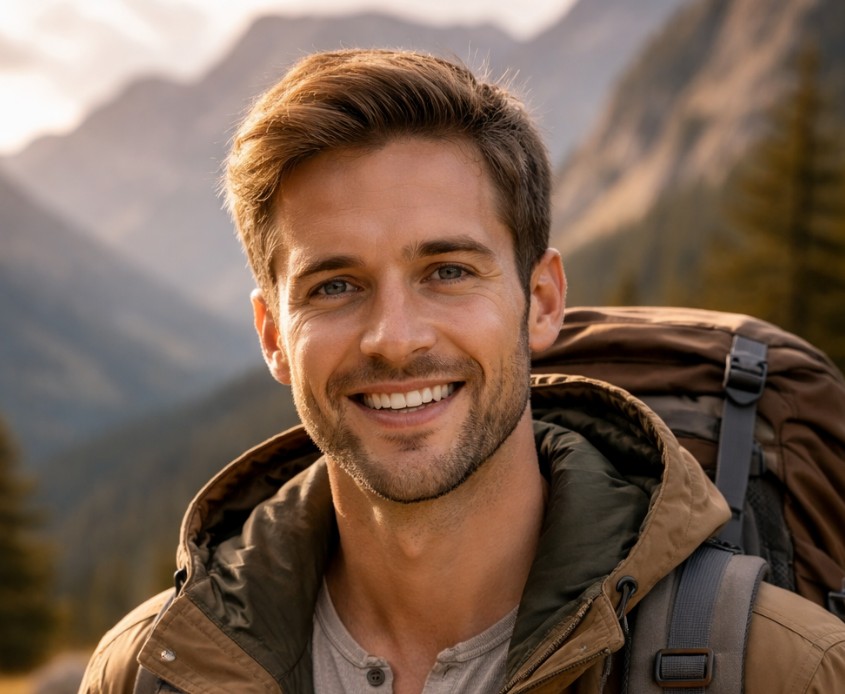
Mountain hiking is a great way to enjoy Steamboat Springs, but the best trips start with the right trail, the right gear, and a realistic plan for altitude and weather. Beginners should choose shorter routes, start early, and stay flexible if conditions change.
A mountain hiking trip can be one of the best ways to experience Steamboat Springs, especially if you want fresh air, big views, and a challenge that feels rewarding without needing a technical climbing background. For beginners and weekend adventurers, the key is choosing the right trail, packing smart, and respecting how quickly mountain conditions can change.
- Choose wisely: Match the trail to your fitness, time, and comfort with elevation gain.
- Pack the basics: Wear supportive footwear, bring layers, water, snacks, and navigation help.
- Watch conditions: Check weather, trail reports, daylight, and local advisories before you go.
- Start small: Shorter hikes are often the best first mountain choice for beginners.
- Build gradually: Increase distance or elevation one step at a time as confidence grows.
What “A Mountain Hiking” Means for First-Time Hikers and Weekend Adventurers
Mountain hiking usually means more elevation gain, steeper grades, and more weather exposure than a flat neighborhood trail or river path. Even a short route can feel demanding once the trail climbs steadily, so pace and preparation matter more than distance alone.
For first-time hikers, that difference is important because it changes how you plan the day. A trail that looks “easy” on a map may still require steady climbing, more water, and more attention to footing than a casual walk would.
How mountain hiking differs from flat trail walking
Flat trail walking is mostly about distance and time. Mountain hiking adds elevation, uneven ground, loose rock, stronger sun exposure, and often faster weather changes.
That means you may cover fewer miles than expected, especially if you are adjusting to altitude or carrying a full daypack. It also means your footwear, layers, and turnaround time matter more than they would on a lower-elevation stroll.
Why Steamboat Springs terrain is a smart place to start
Steamboat Springs is a practical place to learn mountain hiking because the area offers a range of trail styles, from gentler forest paths to more ambitious summit routes. That gives beginners room to build confidence without jumping straight into a high-risk objective.
The region also makes it easier to pair hiking with a cabin stay, ranch getaway, or family trip, so you can keep the outing flexible. For readers planning a broader mountain vacation, it can help to pair trail planning with other Steamboat Springs activities and choose a hike that fits the rest of your itinerary.
How to Choose the Right Mountain Hike by Skill, Time, and Fitness Level
The best hike is not the hardest one. It is the one that matches your current fitness, your available daylight, and your comfort level with climbing, exposure, and changing conditions.
If you are new to the area, start with conservative expectations. Mountain terrain can be beautiful and manageable, but it becomes much more enjoyable when you leave room for breaks, photos, and a safe turnaround.
Easy, moderate, and challenging trail examples
Easy mountain hikes usually have shorter distances, moderate elevation gain, and clear trail markers. They are ideal for families, first-timers, and travelers who want a scenic outing without a big physical commitment.
Moderate hikes often include longer climbs, more uneven footing, and enough elevation gain to make pacing important. Challenging routes are better for experienced hikers who are already comfortable with endurance, navigation, and variable terrain.
| Option | Best For | Note |
|---|---|---|
| Easy | Beginners, families | Shorter climbs, lower stress |
| Moderate | Active weekend hikers | Requires steady pacing |
| Challenging | Experienced hikers | Plan for weather, exposure, and fatigue |
Matching hike length, elevation gain, and turnaround time
When planning a mountain hike, distance alone is not enough. Elevation gain, trail surface, and your pace at altitude can affect the total time much more than the map suggests.
A good rule is to choose a route that leaves extra time for rest, snacks, and an early return if clouds build or energy drops. If you are hiking after travel or a long drive, consider a shorter route than you might normally choose at home.
Look at elevation gain first, then compare it with your comfort on steep terrain.
Pick a firm time to head back before you start, not after you feel tired.
When a shorter hike is the better beginner choice
A shorter hike is often the smarter choice when you are new to altitude, traveling with kids, or hiking in a season with unpredictable weather. It is also the better option when you want to enjoy the scenery without turning the outing into a fitness test.
For many visitors, a shorter mountain hike leaves more energy for the rest of the trip. That can be especially helpful if you are also planning horseback time, a scenic drive, or a relaxed evening back at the cabin.
Choose your first mountain hike based on confidence, not ego. A shorter, well-timed route often creates a better first impression than an ambitious trail that feels rushed.
Essential Gear for a Safe and Comfortable Mountain Hiking Trip
Good gear does not have to be expensive, but it should be dependable. The basics are sturdy footwear, weather-appropriate layers, enough water, and a simple way to stay oriented if the trail becomes less obvious.
If you are still deciding on footwear, it can help to read a focused guide like how to choose hiking boots before you buy. The right fit matters more than a fancy label, especially on rocky mountain trails.
Footwear, layers, water, and navigation basics
Footwear should support your ankles and grip loose surfaces well enough for steep or uneven terrain. Layers are just as important because mountain weather can shift from warm sun to wind or cold shade in a short time.
Bring more water than you think you need, plus a simple navigation method such as a downloaded map or paper backup. Even on popular trails, it is easy to lose track of junctions if you are focused on climbing.
Cost-conscious gear choices for beginners
Beginners do not need to buy the most expensive gear to hike safely. A comfortable pair of shoes, a basic daypack, and a refillable water bottle can cover most starter hikes if the trail is short and conditions are fair.
Focus first on fit and function. If you are building your kit slowly, prioritize the items that affect comfort and safety most, then upgrade later as you hike more often.
- Lower upfront cost
- Easy to start with basics
- Less gear to manage
- Cheap gear may wear out faster
- Poor fit can ruin the hike
- Missing layers can limit comfort
What to pack for a half-day versus full-day hike
A half-day hike usually needs fewer supplies, but it still deserves a real plan. At minimum, carry water, snacks, sun protection, a light layer, and a way to check the route.
A full-day hike requires more water, more food, and more caution around weather and daylight. If you are unsure about your pace, pack for the longer version of the outing so you are not forced to rush back.
How to Prepare for Elevation, Weather, and Trail Conditions in 2026
Mountain hiking in 2026 still comes down to the same essentials: adjust for altitude, watch the forecast closely, and stay flexible. The difference is that more hikers now rely on digital trail tools, so it is even more important to verify information with current local sources.
Conditions in the mountains can change quickly by season, time of day, and recent storms. Before you leave, check official updates and be ready to change the plan if the trail is wetter, snowier, or more exposed than expected.
Altitude adjustment tips for visitors and lowland hikers
If you are coming from lower elevation, take altitude seriously even on a moderate trail. You may feel short of breath sooner, recover more slowly, or need more water than usual.
Start with an easier hike on your first day if possible, and avoid stacking a hard trail right after travel. If you feel dizzy, unusually tired, or unwell, slow down and consider turning back rather than pushing through.
Altitude can affect different people in different ways. If symptoms feel severe or do not improve, stop hiking and seek local medical or ranger guidance as needed.
Reading mountain weather and avoiding storm risk
Mountain weather often becomes less stable as the day goes on, especially in summer. Early starts are usually safer because they give you more margin before afternoon storms, strong wind, or lightning risk.
Watch for building clouds, a sudden drop in temperature, or wind that feels stronger than it did at the trailhead. If the forecast looks uncertain, choose a shorter route or a lower-risk outing instead.
In Colorado mountain country, weather can feel calm at the trailhead and very different a few hundred vertical feet higher. That is why local hikers often start early and keep a close eye on the sky.
Local cautions: loose rock, mud, snow patches, and wildlife
Even when a trail is open, it may still include loose rock, slick mud, lingering snow patches, or hidden ice in shaded spots. Those conditions can slow you down and make footing less predictable.
Wildlife is another reason to stay alert and make noise in brushy or wooded areas. Check local ranger advice if you are unsure about seasonal trail conditions, animal activity, or water crossings before you go.
If trail reports are unclear, contact a ranger station, visitor center, or certified guide before heading out. They can help you judge whether the route is appropriate for your group and the day’s conditions.
Step-by-Step Mountain Hiking Planning: Before You Go, On Trail, and After
Good mountain hiking is easier when you treat it like a simple process instead of a spontaneous guess. A quick planning routine can reduce stress, save time, and make the whole outing feel more enjoyable.
That is especially true in Steamboat Springs, where trail access, parking, daylight, and weather can all affect how smooth the day feels.
Checking trail reports, parking, and daylight timing
Before you leave, verify the trail report, parking situation, and expected daylight window. If a trail is popular, arriving early can help you avoid a full lot and a rushed start.
It is also smart to know how long the hike should take for your group, not just the fastest person in the group. If your return time is tight, pick a route that leaves room for delays.
- Trail status and recent conditions
- Parking availability
- Weather forecast by hour
- Sunset time and turnaround plan
Pacing, hydration, and rest-stop strategy on steep terrain
On steep trails, a steady pace is usually better than trying to move fast at the start. Short, regular breaks can help you stay comfortable and keep your breathing under control.
Drink before you feel thirsty, and use rest stops to check your energy, the weather, and your route. If you are hiking with others, keep the group together so nobody gets too far ahead or behind.
You start strong but feel drained halfway up the climb.
Slow the pace, take a snack break, drink water, and reassess whether the summit is still a good idea.
Knowing when to turn back safely
Turning back is not failure; it is good mountain judgment. If the weather shifts, the trail becomes harder than expected, or someone in your group is struggling, the safest choice may be to head down early.
Set that expectation before you begin so everyone understands that the goal is a safe, enjoyable hike. A shorter successful outing is better than a long one that becomes stressful or risky.
Trail goals should stay flexible. In the mountains, the best decision is often the one that keeps the group safe, warm, and able to return under control.
Common Mistakes Beginners Make on a Mountain Hike
Most beginner mistakes are easy to avoid once you know what to watch for. The biggest issues usually come from underestimating the climb, starting too late, or bringing too little water.
Another common problem is treating mountain hiking like a casual stroll. That mindset can lead to fatigue, poor pacing, and avoidable discomfort.
Underestimating elevation gain and trail exposure
Distance can be misleading when a route climbs steadily. A trail that looks short on paper may still feel intense if it gains a lot of elevation or stays exposed to sun and wind.
Exposure matters because it affects heat, fatigue, and your margin for error. If you are unsure, choose a route with more shade, clearer footing, and simpler navigation.
Starting too late or carrying too little water
Late starts often create avoidable pressure. You may feel rushed, miss the best weather window, or end up descending in low light when the trail feels harder to read.
Too little water is another classic mistake, especially in dry mountain air. Carry more than you expect to need, and remember that altitude and sun can increase how quickly you feel drained.
Check trail conditions, weather forecasts, and local advisories before heading out.
Ignoring trail etiquette and leave-no-trace basics
Good trail etiquette helps everyone enjoy the mountains. Stay on the path, yield respectfully when needed, and keep noise low in shared outdoor spaces.
Leave-no-trace habits matter too: pack out trash, avoid damaging plants, and do not assume a campsite, shortcut, or off-trail area is fair game. These habits protect the landscape for future visitors.
Best Mountain Hiking Experiences Around Steamboat Springs for Different Goals
Steamboat Springs offers a wide range of hiking experiences, which makes it easy to match the trail to your goal. Some visitors want a summit view, while others just want a low-pressure outdoor experience that feels scenic and manageable.
If you are planning a mountain trip with mixed abilities, it helps to compare short hikes, moderate climbs, and bigger alpine outings before you commit to one route.
Scenic summit views for adventurous hikers
For hikers who want a bigger challenge, summit-style routes and higher alpine objectives can deliver the classic mountain payoff: wide views, cooler air, and a stronger sense of accomplishment. These hikes usually require more time, fitness, and weather awareness.
They are best when you have a stable forecast, an early start, and a realistic understanding of your pace. If you are not sure whether a summit route is appropriate, ask a local guide or ranger about current conditions.
Family-friendly or low-pressure routes for newcomers
Families and first-time hikers often do best on routes that are shorter, easier to follow, and less exposed. A low-pressure hike gives everyone a chance to enjoy the scenery without worrying about a long descent or a difficult climb.
These outings also work well for travelers who want a break from driving, dining, or sightseeing without committing the whole day. If you are planning a broader mountain getaway, pairing a simple hike with a cabin stay can keep the trip relaxed and flexible.
What is the best first mountain hike for a Steamboat Springs visitor?
The best first hike is usually a short, clearly marked route with manageable elevation gain and an easy turnaround. Choose something that lets you enjoy the views without rushing, especially if you are adjusting to altitude.
Comparing short hikes vs. bigger alpine outings
Short hikes are ideal when you want a simple win, limited time commitment, or a safer weather window. Bigger alpine outings are better when you have more experience, more daylight, and a stronger comfort level with steep terrain.
Neither option is automatically better. The right choice depends on your goals, your group, and the day’s conditions, which can vary a lot in mountain country.
Many experienced hikers in Colorado still choose shorter routes on windy or storm-prone days. In the mountains, a smart plan often matters more than a long mileage goal.
Final Takeaways for Enjoying a Mountain Hiking Adventure with Confidence
A mountain hiking trip becomes much more enjoyable when you match the route to your fitness, pack the basics, and stay flexible about weather and turnaround times. That simple approach works well for beginners and still leaves room for adventure.
For GhostRanch Steamboat readers, the best strategy is to start with a realistic trail, learn from each outing, and build confidence one hike at a time.
Quick recap of planning, safety, and gear priorities
Start with the trail, not the summit. Check elevation gain, weather, daylight, parking, and current conditions before you go, then bring enough water, layers, and navigation support to stay comfortable.
Most importantly, respect the mountain environment. Loose rock, sudden storms, altitude, and wildlife all deserve attention, even on routes that seem straightforward.
How to build toward harder hikes over time
If you want to progress, increase only one challenge at a time. You might add a little distance, a little elevation gain, or a little more exposure, but not all three at once.
That gradual approach helps you learn how your body responds to altitude and steep terrain. Over time, you will have a better sense of which hikes feel rewarding, which ones are too much, and how to plan a stronger mountain day with confidence.
Frequently Asked Questions
Start with a shorter trail, check the weather, and expect more effort than a flat walk. Altitude and steep terrain can make even easy hikes feel harder.
Bring supportive footwear, water, layers, snacks, and a simple map or navigation app. Sun protection is also important in Colorado mountain conditions.
Take it easy on your first day, drink extra water, and choose a lighter hike if you are coming from low elevation. If you feel unwell, slow down or turn back.
Early morning is often the safest time because weather is usually more stable and daylight is easier to manage. Seasonal trail conditions can vary, so always check current reports.
Use elevation gain, trail exposure, and your available time to decide. If you are unsure, choose the easier route and save harder climbs for another day.
Do not start too late, carry too little water, or underestimate steep terrain. It also helps to follow trail etiquette and leave-no-trace basics.