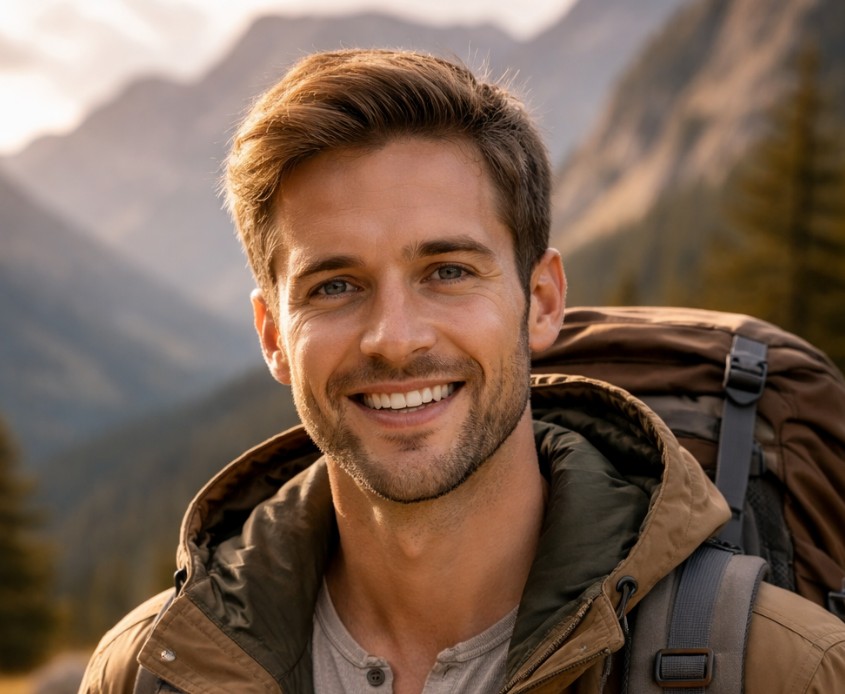
Men should dress for hiking with breathable layers, quick-drying fabrics, and footwear that matches the trail. In Steamboat and other Colorado mountain areas, the safest approach is usually a moisture-wicking base layer, an adaptable mid layer, and weather protection in your pack.
If you are trying to figure out how to dress for hiking for men, the short answer is simple: dress for movement, changing weather, and sweat management, not for looks. In Steamboat Springs and the surrounding Colorado trails, that usually means a breathable base layer, a flexible mid layer, durable bottoms, and footwear that matches the trail under your feet.
- Start with layers: Base, mid, and shell layers give you flexibility.
- Avoid cotton: It holds sweat and dries too slowly.
- Choose the right footwear: Trail runners, hikers, or boots should match the route.
- Pack for weather swings: Wind, rain, and sun can all show up on the same hike.
How to Dress for Hiking for Men: What “Right” Looks Like on the Trail
The “right” hiking outfit is one that helps you stay comfortable before, during, and after the climb. On a local day hike, that can mean starting cool, warming up quickly, then dealing with wind, shade, sun, or a surprise shower later on.
For GhostRanch Steamboat readers planning cabin stays, ranch getaways, or trail days around town, the goal is a simple system that works in variable mountain conditions. If your clothes dry quickly, move well, and layer cleanly, you are already ahead of most first-time hikers.
Search intent: build a practical hiking outfit, not a fashion look
Men’s hiking clothing should solve problems. It should reduce sweat buildup, prevent chafing, and give you options when the weather changes halfway through the hike.
That is why a trail outfit should be judged by performance, not by how rugged it looks in a store mirror. A shirt that feels great in the parking lot may be a bad choice once you are climbing in the sun.
Why men’s hiking clothing should prioritize moisture management, mobility, and weather protection
Moisture management matters because wet clothing can make you colder, heavier, and more uncomfortable. Mobility matters because steep steps, scrambling, and uneven ground demand clothing that does not pinch or restrict movement.
Weather protection matters because mountain conditions can shift fast. Even a warm day can turn windy or cool once you gain elevation, especially on exposed ridgelines or in shaded forest sections.
Start with the Base Layer: Choosing a Shirt That Keeps You Dry
Your base layer is the foundation of your hiking outfit. For most men, that means a technical tee or lightweight long-sleeve top that wicks sweat and dries quickly.
Merino wool vs. synthetic tees for men’s hiking
Merino wool is popular because it resists odor well and feels comfortable across a wider temperature range. It can be a strong choice for multi-day trips, cooler starts, or hikers who want a softer feel against the skin.
Synthetic tees usually dry faster and often cost less. They are a practical pick for day hikes, hot weather, and anyone who expects to sweat a lot.
In mountain towns like Steamboat Springs, a shirt that dries quickly can matter more than one that simply feels cool at the trailhead.
When a cotton shirt is a mistake, even on short hikes
Cotton absorbs sweat and tends to stay wet. That can lead to discomfort, chill, and a sticky feel once you stop moving.
Even on a short hike, cotton becomes a problem if the weather is windy, the sun is strong, or you end up hiking harder than expected. It is one of the easiest mistakes to avoid.
Warm-weather example: lightweight short-sleeve setup for summer trail days
For a summer trail day, a lightweight synthetic or merino short-sleeve shirt is usually enough. Pair it with breathable shorts or light hiking pants, then keep a thin layer in your pack if the forecast looks unsettled.
If you are heading out early in Steamboat, start with a light layer you can remove after the first uphill stretch. You will warm up faster than you think.
Pick the Right Mid Layer for Steamboat Conditions and Changing Elevation
A mid layer adds warmth without forcing you into a heavy jacket. In Colorado, this is often the piece that makes the biggest difference between a comfortable hike and a rushed turnaround.
Fleece, lightweight insulation, and breathable hoodies compared
Fleece is dependable, breathable, and easy to pack. It works well for cool mornings, rest breaks, and moderate shoulder-season hikes.
Lightweight insulated layers are warmer for their weight, which helps if you are starting before sunrise or heading higher into colder air. Breathable hoodies can be useful too, especially if you want a casual layer that still moves moisture better than cotton.
How to layer for cool mornings, windy ridgelines, and shaded forest sections
The simplest system is base layer plus mid layer plus shell. You can remove or add pieces as the trail changes, which is common around Steamboat where sun, shade, wind, and elevation can all show up in one outing.
On a cool morning, wear the mid layer at the start and stash it once you warm up. On a windy ridge, put it back on under a shell if needed. In deep shade, it may stay on longer than you expect.
Cost vs. performance: budget-friendly layers that still work well
You do not need the most expensive fleece to hike comfortably. The best budget layers are usually simple, lightweight, and easy to pack.
Look for a fit that allows full arm movement and a fabric that dries reasonably fast. A basic, well-fitting fleece often does more for comfort than a premium item that you rarely wear correctly.
Hiking Pants, Shorts, or Convertible Options: What Men Should Wear on the Trail
Bottoms should protect your legs without limiting stride length or trapping heat. The right choice depends on season, trail surface, brush, and how much weather protection you want.
Best use cases for hiking pants in brush, wind, and shoulder seasons
Hiking pants are often the most versatile choice for men. They help with wind, sun, light brush, and cooler temperatures, which makes them a smart option for spring and fall.
They can also be helpful if you are hiking on narrower trails or in areas where branches, rocks, or insects might make shorts less comfortable. For many Colorado hikes, pants are the safer all-around pick.
When shorts make sense and when they leave you underprepared
Shorts make sense on warm, dry, lower-elevation hikes where the trail is well maintained. They are comfortable, light, and easy to move in.
They can leave you underprepared if the wind picks up, if the route is brushy, or if the hike takes longer than planned. In the mountains, a warm forecast is not always a guarantee of warm conditions all day.
Convertible pants: convenience vs. bulk and comfort
Convertible pants can be useful if you want one item for changing conditions. The downside is that they often feel bulkier and may not fit as cleanly as dedicated pants or shorts.
They are best for travelers who want flexibility and do not mind a less streamlined feel. If you are packing light for a trip, they can still be practical.
You start in shorts, then realize the wind is stronger and the trail is colder than expected.
Keep a lightweight pant or shell layer in your pack if the route includes elevation gain, shade, or variable weather.
Footwear and Socks: The Most Important Part of Dressing for a Hike
Footwear is where many hiking comfort problems begin. Even the best shirt and jacket will not matter much if your shoes are wrong for the trail.
Trail runners vs. hiking boots vs. lightweight hikers
Trail runners are a good fit for many day hikers who want lighter weight and faster movement. They are especially appealing on well-used trails where you do not need maximum ankle support.
Hiking boots offer more structure and can feel better on rougher ground or with a heavier pack. Lightweight hikers sit in the middle and can be a good compromise for men who want support without a heavy boot feel.
Sock materials that reduce blisters and hot spots
Choose socks made from merino wool or technical synthetic blends. These materials manage moisture better than cotton and usually reduce friction when paired with the right shoe fit.
A good hiking sock should feel snug without bunching. If your socks slide around, you are more likely to get hot spots on longer hikes.
Fit mistakes that cause pain on longer hikes
One common mistake is buying shoes too small because they felt fine in the store. Feet often swell during a hike, especially on warm days or longer climbs.
Another mistake is ignoring heel slip, toe pinch, or pressure points. If a shoe feels “almost right,” it may still become a problem after several miles.
Local caution: rocky trails, sudden weather shifts, and muddy conditions around Steamboat
Steamboat-area trails can include rocky sections, uneven footing, and weather that changes quickly with elevation. A shoe with decent traction and enough protection for your route is usually worth it.
After rain or snowmelt, mud and slick patches can appear even when town feels dry. Check current trail reports with local ranger resources or other official sources before heading out.
Check trail conditions, weather forecasts, and local advisories before heading out.
Weather Protection and Trail Safety: Jackets, Hats, Gloves, and Sun Gear
Weather protection is not just for winter. In the mountains, a small layer of defense can make a big difference when conditions turn fast.
Wind shells and rain jackets for mountain weather swings
A wind shell is one of the most useful layers for hiking in Colorado. It blocks enough air to help you stay comfortable without adding much weight or bulk.
A rain jacket matters when storms are possible, even if the chance looks low. The goal is not to wear it all day; it is to have it when the sky changes.
Sun protection essentials: hat, sunglasses, UPF layers, and neck coverage
Sun exposure increases with elevation, and the trail often offers less shade than people expect. A brimmed hat, sunglasses, and UPF-rated clothing can help reduce fatigue and irritation.
Neck coverage is easy to overlook, but it matters on exposed trails. A lightweight buff or neck gaiter can add comfort without much extra weight.
Cold-weather add-ons for early starts, late finishes, and higher elevations
For colder outings, add thin gloves and a warmer hat or beanie. These small items are easy to pack and can save a hike if the temperature drops.
Early starts and late finishes are common in summer when hikers try to avoid midday heat. In those cases, a few cold-weather accessories can still be useful.
If you are unsure about snow, stream crossings, or changing weather on a specific route, contact a local ranger station or certified guide before you go.
Common Men’s Hiking Outfit Mistakes to Avoid
Most hiking outfit mistakes are easy to fix once you know what to look for. The trouble is that they often only become obvious after you are already on the trail.
Overdressing for the hike and overheating early
Many men start a hike too warm because they dress for the trailhead instead of the climb. That usually leads to sweating early, then getting chilled later when the pace slows.
Start slightly cool if possible. You will likely warm up within the first 10 to 15 minutes.
Wearing cotton, denim, or heavy everyday clothing
Cotton and denim are poor choices for most hikes because they are heavy, slow to dry, and restrictive. Everyday clothes may feel fine on a short walk, but they usually underperform once the terrain gets real.
Technical clothing does not have to be expensive, but it should be functional. That is especially true if you are hiking in a place where weather and elevation can change quickly.
Ignoring fit, chafing, and pack compatibility
Clothing that rubs under a backpack strap or waist belt can turn a great hike into an annoying one. Pay attention to seams, waistbands, and where your pack sits.
Fit also affects airflow. A shirt or pant that is too tight can trap heat, while one that is too loose can snag or shift uncomfortably.
Forgetting that trail conditions can change faster than forecasts in 2026
Forecasts are helpful, but they are not the whole story. In mountain areas, local conditions can change faster than the app on your phone suggests.
That is why flexible layers matter so much. If your outfit can adapt, you are better prepared for the real trail, not just the forecast.
Simple Outfit Formulas for Different Hiking Scenarios
Sometimes the easiest way to dress for a hike is to start with a scenario. These simple formulas can help men build a practical outfit without overthinking every item.
Easy half-day summer hike outfit
For a short summer hike, wear a moisture-wicking short-sleeve shirt, breathable shorts or light pants, trail shoes or trail runners, and a comfortable sock that manages sweat. Bring a light shell if the sky looks unsettled.
This is a good setup for lower-intensity routes, family outings, or casual trail time near town.
All-day mountain hike outfit with changing weather
For a longer mountain hike, build around a technical base layer, a fleece or light insulation piece, hiking pants, sturdy footwear, and a wind or rain shell in your pack. Add sun protection and a warm hat or gloves if the route gets higher or starts early.
This is the most adaptable option when you do not know exactly what the day will bring.
Cool spring or fall hike outfit for men
In cooler seasons, start with a long-sleeve base layer, add a fleece or hoodie, and choose pants over shorts. A shell can be the difference between a comfortable hike and a cold, windy one.
Spring and fall are the seasons where layering matters most, especially in the mountains around Steamboat.
Quick recap: the best men’s hiking outfit is layered, breathable, and adaptable
The best hiking outfit for men is not complicated. It is a system that keeps sweat under control, allows movement, and gives you options when the trail changes.
If you are planning a hike as part of a Steamboat Springs trip, use your clothing to match the route, the season, and the elevation. For more ideas on planning your day outdoors, you can also browse what to do in Steamboat Springs and best things to do in Steamboat Springs Colorado when you are building out a full itinerary.
When in doubt, choose breathable fabrics, avoid cotton, and pack one extra layer. That simple approach works well for most Colorado trail days.
Frequently Asked Questions
A moisture-wicking shirt, breathable shorts or light pants, trail shoes, and a light shell are usually enough. Bring sun protection and a warm layer if you expect elevation gain or changing weather.
Neither is always better. Trail runners work well for lighter day hikes, while boots can help on rougher terrain or with heavier packs.
Cotton is not ideal because it holds sweat and dries slowly. Even on short hikes, it can become uncomfortable if the weather turns windy or cool.
A base layer, a mid layer like fleece, and a wind or rain shell cover most trail conditions. Add gloves, a hat, or sun gear depending on the season and elevation.
Dress in layers, start with a pace that feels easy, and bring extra water. Check local trail and weather advisories before heading out, especially on higher routes.
Check fit, fabric, drying speed, and how the item works with a backpack. The best gear is comfortable, breathable, and suitable for the season you hike most often.