

Bed bugs do not travel far on their own, but they spread quickly when people move them in luggage, clothing, bedding, and gear. The safest approach is to inspect, isolate, and clean travel items right after a trip.
Bed bugs do not fly or jump, but they can still move fast enough to cause trouble during a trip. If you are asking how fast can bed bugs travel, the short answer is: not very far on their own, but far enough to spread quickly when people carry them in luggage, clothing, or bedding.
For travelers, that matters more than raw speed. A bed bug that slips into a suitcase at a hotel can end up in a car, a home, or a cabin before you even notice, which is why prevention is such a big part of travel safety in places like Steamboat Springs and other busy Colorado lodging areas.
- Speed: Bed bugs crawl slowly, but they can still spread overnight.
- Main risk: Luggage, clothing, and bedding are the easiest ways they hitchhike.
- Best prevention: Inspect rooms and keep bags off beds and carpets.
- After travel: Launder, heat-dry, and isolate suitcases before unpacking.
How Fast Can Bed Bugs Travel? What Travelers Need to Know in 2026
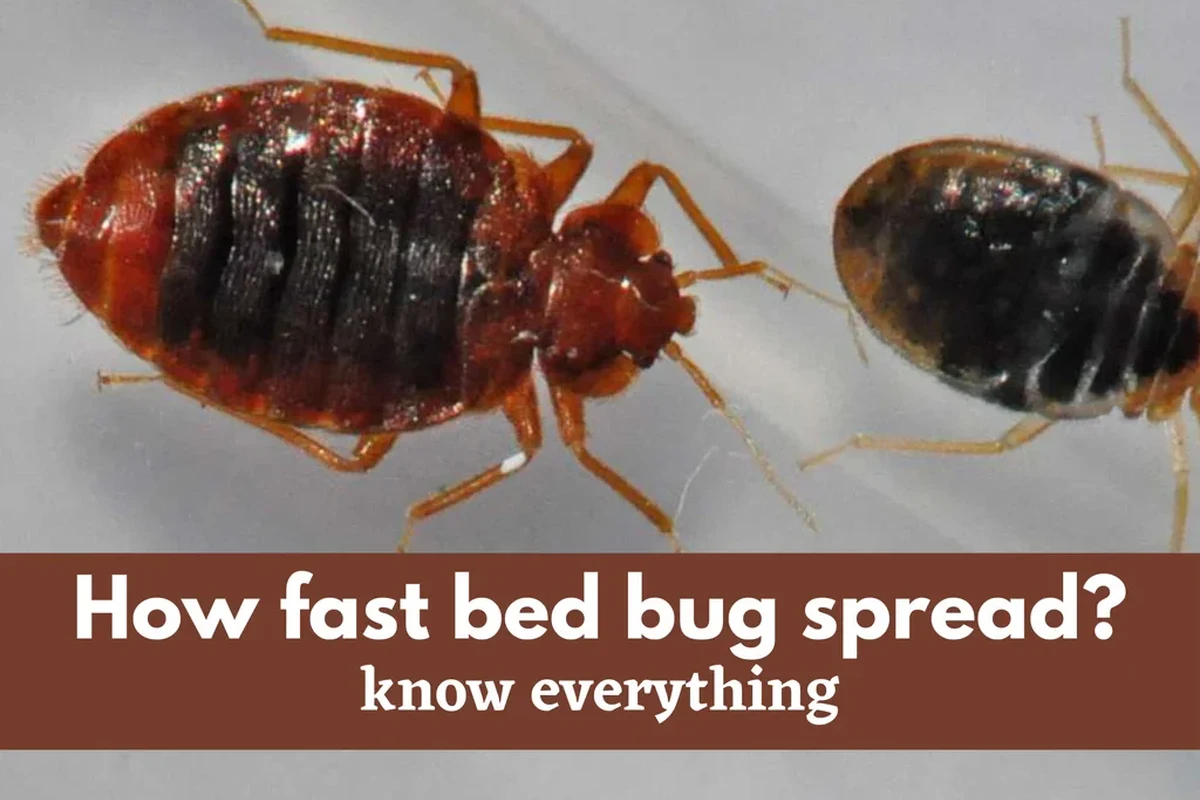
Visual guide: How Fast Can Bed Bugs Travel? What Travelers Need to Know in 2026
Bed bugs move by crawling, and they are surprisingly efficient at finding dark seams, fabric folds, and tight cracks. They are not built for long-distance travel on their own, but they are excellent at hitchhiking from one place to another when humans give them a ride.
That is the real concern for travelers in 2026. A quick overnight stay, a shared rental, or a packed ski weekend can create just enough contact for bed bugs to move from one room to a bag, then from the bag to a vehicle or home.
Bed bugs are a year-round risk, but turnover-heavy lodging, shared storage, and crowded travel gear can make exposure more likely during busy travel periods.
Bed Bug Speed, Movement Patterns, and Why They Spread So Quickly
Bed bugs do not race across open floors the way ants might, but they can crawl steadily and hide well. Their strength is not speed alone; it is persistence, small size, and the ability to stay unnoticed in seams, zippers, mattress piping, and furniture joints.
That combination makes them hard to spot early. A traveler may never see the bug that entered a bag, but that bug can still settle into a new room and begin spreading if conditions are right.
How far bed bugs can crawl in a minute, an hour, and overnight
Exact movement can vary by temperature, surface, and whether the bug is actively searching for a host, but bed bugs can cover meaningful ground over time. In a minute, they may only move a short distance, yet over an hour or overnight they can cross a room, climb furniture, and reach beds, baseboards, or luggage.
The key point is that they do not need to move far to create a problem. Even a small crawl from a bed frame to a backpack can be enough to start a chain of spread that becomes much harder to stop later.
Why luggage, bedding, and clothing make travel easier for them
Luggage gives bed bugs hiding places, fabric, and seams to cling to, which is why suitcases are one of the biggest travel risks. Bedding and clothing also help them move because they can tuck into folds, cuffs, hems, and blankets without being noticed.
If you are planning a packed itinerary with outdoor time, restaurant stops, and lodging changes, keep your gear organized. The same habits that help with packing for things to do in Steamboat Springs can also help you keep clean and used items separated so pests are less likely to travel with you.
Where Bed Bugs Hide During Travel and How They Move Between Rooms
Bed bugs prefer tight, protected spaces near where people sleep or rest. During travel, that often means mattress seams, headboards, nightstands, upholstered chairs, wall cracks, and the edges of carpet or baseboards.
They usually move between rooms by following heat, carbon dioxide, and human activity. If a nearby room is disturbed, or if luggage is left open for long periods, bed bugs can crawl into new spaces without anyone seeing them.
Hotel rooms, vacation rentals, buses, and shared lodging risks
Hotels and vacation rentals are common places for transfer because turnover is frequent and guests bring in bags from many different locations. Shared lodging, group trips, and bus travel can also create more contact points for infestation to move from one item to another.
This is especially relevant for visitors comparing the best things to do in Steamboat Springs Colorado and booking different types of stays around town. The lodging itself may be clean, but any place with high guest turnover deserves a quick bed bug check before you unpack.
How bed bugs use seams, cracks, and furniture to relocate
Bed bugs are built for hiding in narrow spaces. They use mattress seams, chair stitching, drawer joints, wall trim, and even tiny gaps in furniture to move between resting spots and feeding areas.
That means a bug does not need direct access to your bed to spread. It can travel through hidden routes in the room, then emerge near bags, clothing piles, or gear stored on the floor.
Real-World Travel Scenarios: How Fast Infestations Can Start
Most bed bug problems begin with a simple chain of events: a bag is set down, a bug crawls in, and the traveler leaves before noticing. The infestation may not be obvious for days or weeks, which is why early prevention matters so much.
A single bug is not always the start of a full infestation, but it can be enough to create one if it reaches a bed, couch, or storage area and finds places to hide.
One-night stay, one suitcase, and a home spread timeline
A one-night hotel stay can be enough if a suitcase is placed on the bed or carpet and left open. If a bed bug enters the suitcase, it may travel home unnoticed, then move into a closet, bedroom, or laundry area after the trip.
From there, the spread can continue slowly but steadily. The traveler may first notice bites, shed skins, or dark spotting days later, by which time the bug may have already found multiple hiding places.
Examples of quick transfer from hotels to cars, homes, and gear
Bed bugs can transfer from a hotel room to a car when bags are set in the trunk or back seat and left unsealed. They can also move into camping gear, ski bags, or winter clothing if those items are stored close to infested luggage.
For outdoor travelers, this is one reason to keep gear separated after a trip. If you are already thinking about packing layers for mountain weather, it helps to treat your travel bags the same way you would treat trail gear: inspect, isolate, and clean before bringing everything inside.
Common Mistakes That Help Bed Bugs Travel Faster
Most bed bug spread happens because of routine travel habits, not because people ignore obvious warning signs. Small choices like where you place a bag or whether you inspect clothing can make a big difference.
The good news is that these mistakes are easy to avoid once you know what to watch for.
Setting bags on beds, carpets, or upholstered chairs
Putting luggage on a bed or upholstered chair gives bed bugs a direct path into seams and folds. Carpet can also be risky because bugs may crawl into the fabric or hide near the base of the suitcase.
A better habit is to use a luggage rack, a hard surface, or a bathroom area until you have checked the room. Even a few minutes of caution can reduce the chance of bringing pests home.
Bringing unpacked clothing inside without inspection
Unpacked clothing can hide a bug or egg in cuffs, pockets, and folds. If you bring everything straight into a closet or dresser, you give bed bugs more places to disperse before you realize there is a problem.
Instead, keep travel laundry separate and inspect items before mixing them with clean household clothes. That small step can save a lot of time later.
Assuming clean or upscale lodging means zero risk
Bed bugs are not a sign of poor housekeeping alone. They can appear in budget motels, luxury hotels, vacation rentals, and even well-maintained properties if they were brought in by previous guests.
The safest approach is to inspect every room the same way, no matter how polished it looks. Clean design does not guarantee pest-free conditions.
Travel Safety and Local Cautions for Steamboat Visitors and Outdoor Lodging
Steamboat Springs draws visitors for ski trips, ranch stays, hiking, and seasonal getaways, which means lodging turnover can be high during busy periods. Cabins, group rentals, and shared gear storage areas deserve extra attention because they often see many guests in a short time.
That does not mean you should avoid these stays. It simply means a few extra checks can protect your trip, especially when you are moving between outdoor adventures, warm indoor spaces, and packed travel bags.
Winter layers, ski bags, and shared mudrooms can create ideal hiding spots for bed bugs. Inspect soft gear and keep travel items off beds and upholstered furniture whenever possible.
Extra precautions for cabins, ski stays, group rentals, and seasonal traffic
Cabins and ski rentals often have shared storage, thick bedding, and lots of soft furnishings, which can make inspection more important. Seasonal traffic can also mean faster room turnover, so guests should take a quick look at mattress seams, headboards, and nearby furniture.
If you are staying in a group rental, ask everyone to keep bags in one spot and avoid spreading gear across multiple rooms. That makes it easier to inspect and isolate anything suspicious.
Why winter gear, shared storage, and high turnover increase exposure
Winter gear tends to be bulky, layered, and stored in tight spaces, which gives bed bugs more places to hide. Shared entryways, ski lockers, and mudrooms can also become transfer points when many people handle the same benches, hooks, or shelves.
High turnover matters because bed bugs often move with people, not buildings. The more guests and bags that pass through a space, the more chances there are for a hitchhiker to arrive.
How to Stop Bed Bugs from Spreading After Travel
The best time to stop bed bugs is before they settle in. Once they reach multiple rooms, treatment becomes more time-consuming and disruptive, so fast action after a trip is worth it.
A simple post-travel routine can make a big difference whether you were staying in a hotel, a cabin, or a shared rental.
Inspection steps before unpacking
Before you bring bags into bedrooms, check seams, zippers, corners, and pockets for tiny bugs, shed skins, or dark spotting. Look at the mattress edge, headboard area, and furniture near the sleeping space if you are still in the lodging.
If anything seems suspicious, keep your luggage sealed and move it away from upholstered furniture. A careful inspection takes only a few minutes and can prevent a much bigger problem later.
When you return home, unpack in a garage, laundry room, or another hard-surface area first. That gives you a better chance to contain anything that may have hitched a ride.
Heat treatment, laundering, and suitcase isolation
Heat is one of the most effective tools for killing bed bugs on fabric items, but it has to be used correctly. Launder clothing according to the care label, then dry items thoroughly on a hot setting when safe to do so.
Keep suitcases isolated until they have been inspected and cleaned. Hard-shell luggage can be wiped down, while soft bags may need a more thorough vacuuming and careful storage away from bedrooms.
When to act fast and call a pest professional
If you find live bugs, repeated bites, or evidence of spread to multiple rooms, do not wait. Early professional help can reduce the size of the problem and improve your chances of stopping it before it grows.
If you suspect a bed bug infestation after travel, contact a licensed pest professional quickly and follow their inspection guidance before moving items around.
Cost, Time, and Prevention Comparison: Early Action vs. Full Infestation
Prevention usually costs less than treatment, though exact numbers vary by home size, severity, and the method used. A few preventive habits during travel can save far more time than dealing with a spread that reaches bedrooms, closets, and living spaces.
Even a small delay can matter because bed bugs reproduce and hide well. The earlier you act, the easier it is to keep the problem contained.
What prevention typically costs compared with treatment delays
Prevention may be as simple as a luggage rack, sealed laundry bags, inspection time, and a hot dryer cycle when you return home. Those steps are low-cost compared with repeated treatments, replacement of infested items, or the disruption of living with an active infestation.
Delays can also create indirect costs, like lost time, stress, and the need to isolate rooms or belongings. That is why travel safety planning should include pest prevention, not just packing and booking.
How much time you can save by catching bed bugs early
Early detection can save hours of cleaning and weeks of worry. If you catch a bug in a suitcase before it reaches your bedroom, the fix is usually much simpler than if it has already spread through furniture and soft goods.
For busy travelers, that time savings matters. It lets you get back to the reasons you came to Colorado in the first place, whether that means relaxing, skiing, or exploring the area’s outdoor options.
Final Recap: The Fastest Way Bed Bugs Travel Is With Human Habits
Bed bugs do not move fast in the way people usually imagine, but they spread quickly because they travel with us. Luggage, clothing, bedding, and shared lodging make it easy for them to move from one room, vehicle, or home to the next.
If you remember one thing, make it this: slow, careful habits beat fast, careless unpacking. Inspect first, isolate gear, wash travel items promptly, and act quickly if you see signs of bed bugs after a trip.
Frequently Asked Questions
Bed bugs crawl rather than fly or jump, so they move only short distances at a time. Even so, they can cross a room, reach luggage, and hide in seams overnight.
Yes, luggage is one of the most common ways bed bugs spread during travel. A bug can hide in seams or pockets and leave the bag later inside a home or car.
Check mattress seams, headboards, nightstands, and the edges of upholstered furniture. Also inspect your suitcase, zipper lines, and clothing folds before bringing items inside.
They can be, especially when guest turnover is high or storage is shared. The risk depends on recent use and housekeeping practices, so a quick inspection is still smart.
A luggage rack, sealed laundry bag, and a hard-surface place to unpack are the most useful basics. Some travelers also keep a small flashlight for room checks.
Call quickly if you find live bugs, repeated bites, or signs that the problem may be spreading to multiple rooms. Early help can reduce the amount of treatment and cleanup needed.