

Termites can travel only a short distance in some cases, but subterranean species may forage much farther underground and drywood termites can spread through infested wood. The real risk is hidden movement inside soil, walls, decks, and moisture-damaged wood, which is why early inspection matters.
Termites do not usually “travel” in the way people imagine, but they can spread farther than many homeowners expect. Depending on the species, the colony size, and the property layout, termites may move underground, through wood, or by swarm flights that put new infestations in place quickly.
- Range varies: Different termite species travel in different ways.
- Hidden spread matters: Damage often happens inside walls and soil paths.
- Moisture raises risk: Leaks and damp wood help termites move farther.
- Early signs count: Mud tubes, wings, and hollow wood deserve attention.
- Fast action helps: Inspections and repairs can limit costs.
How Far Can Termites Travel? Understanding the Real Distance Behind an Infestation
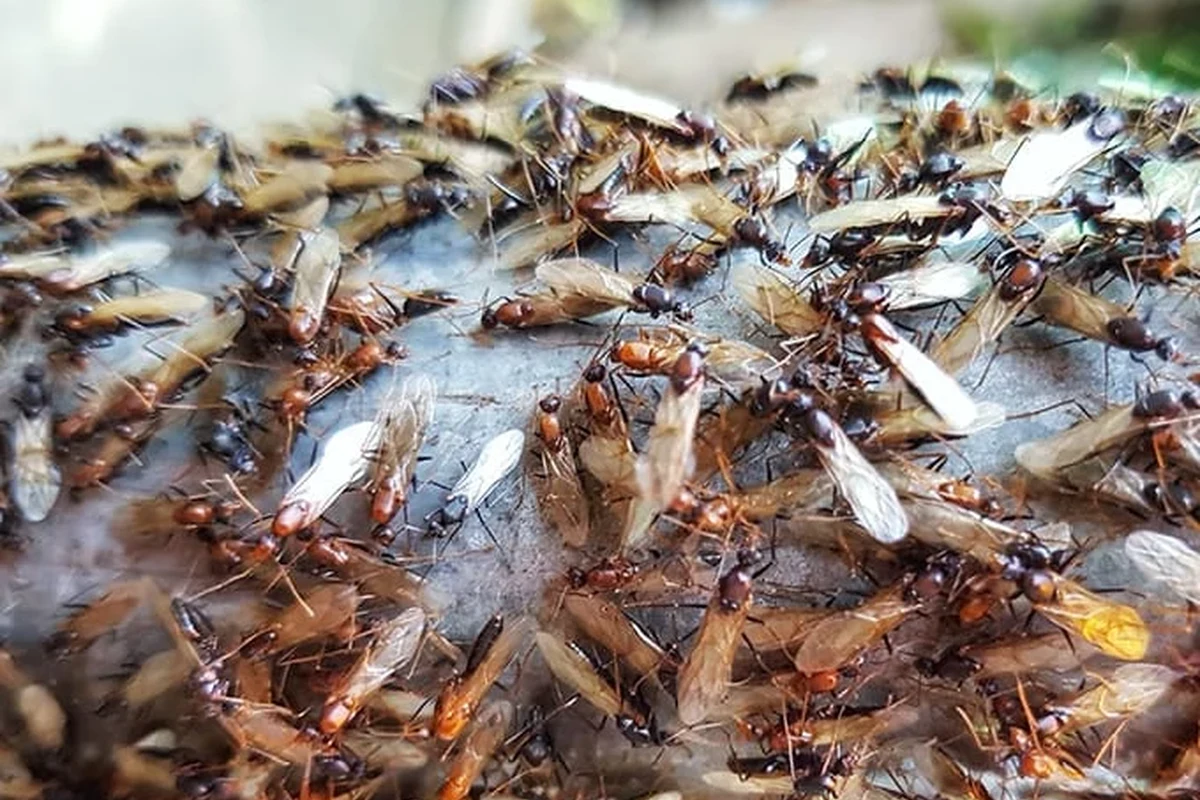
Visual guide: How Far Can Termites Travel? Understanding the Real Distance Behind an Infestation
When people ask how far can termites travel, the honest answer is that it depends on the type of termite and the route they use. Some workers forage only a short distance from the nest, while others can spread through soil and hidden wood systems over a much wider area.
For travel property owners, cabin guests, and second-home managers, this matters because termites often stay out of sight until damage is already underway. A small entry point near a foundation or deck can become a larger problem if the colony keeps expanding into framing, trim, or stored wood.
Worker movement, swarm flights, and colony expansion in plain terms
Worker termites are the main movers inside an active colony. In subterranean species, they travel through mud tubes and soil tunnels to find food, sometimes reaching wood that is not touching the ground but is still close enough to access.
Swarm flights are different. Reproductive termites leave the colony, fly short distances, and then shed their wings to start new colonies. That means one visible swarm can signal more than one infestation risk, especially if nearby structures offer moisture and wood.
Why “travel distance” matters more than most homeowners expect
Distance matters because termites do not need to cross a room in the open to do damage. They can move inside walls, beneath siding, or behind insulation, which makes their actual range more important than what you can see from the outside.
If you are comparing pest risk to other travel concerns, think of it like checking a trailhead before heading out. The problem is often not the obvious one in front of you, but the hidden condition that changes the whole trip. That is also why readers planning things to do in Steamboat Springs should also think about cabin and rental property upkeep before leaving town.
What Searchers Really Want to Know: Signs, Risk, and How Fast Termites Spread
Most people searching this topic want a practical answer: how quickly can termites move from one place to another, and what does that mean for a home? In real terms, termites may spread only a few feet at first, but a colony can expand farther over time if moisture and food remain available.
For a home in 2026, the biggest issue is not just the distance, but the delay. A colony that goes unnoticed for months can create damage that is expensive to repair, especially in older cabins, mountain rentals, or homes with crawl spaces.
How far termites can move from soil, wood, and neighboring structures
Subterranean termites often travel from the soil into wood through hidden channels. They may start close to the foundation, then reach sill plates, joists, or wall voids if conditions stay favorable.
Drywood termites do not need soil contact, so their spread can happen through infested wood itself. That makes them harder to track by distance alone, because an infested item can be moved from one place to another without obvious warning signs.
Nearby structures also matter. Shared fences, decks, stacked firewood, and attached garages can create stepping-stone access points that let termites move farther than the homeowner expects.
What a few feet or a few hundred feet can mean for a home in 2026
A few feet can be enough for termites to reach a vulnerable beam or floor edge if there is direct wood-to-soil contact. A few hundred feet matters when swarmers are involved, because new colonies can establish in the surrounding area and later work their way into a structure.
That is why inspection is less about exact mileage and more about how the property connects to the ground, moisture, and nearby wood sources. On a mountain lot or rural parcel, those connections can be easy to overlook during seasonal use or quick turnover between guests.
Different Termite Types Travel in Different Ways
Not all termites behave the same way, and that changes how far they can travel and how quickly they can spread. Knowing the type helps you judge the risk more accurately instead of treating every sign the same.
Subterranean termites: underground tunnels and wide foraging ranges
Subterranean termites are the most likely to travel farther from the nest because they live in the soil and build protected tunnels. They can forage outward from the colony to reach wood sources while staying hidden from view.
This is the species most often associated with mud tubes, foundation entry points, and broad property-wide spread. If you see these signs near a crawl space or basement, the colony may be active beyond the exact spot where damage first appears.
Drywood termites: limited travel, but high-risk hidden spread
Drywood termites usually travel less through soil because they live directly in dry wood. Their spread may be more limited in geographic range, but that does not make them safer.
They can be carried into a property inside furniture, lumber, or decorative wood products. Once established, they may remain hidden inside framing or trim for a long time, which is why a small local problem can still become a major repair project.
Dampwood termites: moisture-driven movement near vulnerable wood
Dampwood termites are drawn to moist, decaying wood and tend to stay near that food source. Their movement is often tied to leaks, wet crawl spaces, or rotting logs rather than long-distance travel.
For mountain homes and cabins, this can matter after snowmelt, roof leaks, or drainage issues. If moisture stays high, dampwood termites may keep moving through the same area until the wood is no longer usable.
How Termites Reach Homes, Cabins, and Travel Properties
Travel properties often face a mix of guest turnover, seasonal vacancy, and storage habits that make inspections harder. Termites take advantage of those gaps, especially where wood, soil, and moisture meet.
Foundation cracks, wood-to-soil contact, and utility gaps
Foundation cracks are one of the easiest access routes for subterranean termites. Even small openings around pipes, wires, and vents can give them a protected path into wall spaces or subfloors.
Wood-to-soil contact is another common issue. Deck posts, porch steps, untreated trim, and stored lumber near the house can all act like a bridge that shortens the distance termites need to travel.
Shared walls, decks, fences, and nearby trees as bridge points
In neighborhoods or clustered vacation homes, termites may use shared structures as connectors. A fence line, attached deck, or nearby tree stump can create a route that keeps them close to the property without exposing them to open air.
For travelers choosing the best things to do in Steamboat Springs Colorado, it is worth remembering that many mountain rentals and cabins use a lot of exterior wood. That does not mean they are unsafe, but it does mean exterior maintenance and drainage should be checked regularly.
Practical examples for mountain homes, vacation rentals, and rural properties
A mountain cabin with stacked firewood against the wall gives termites an easy path from damp ground to siding. A vacation rental with a leaking hose bib and a shaded crawl space may create the moisture termites need to stay active.
Rural properties can be even more exposed because outbuildings, split-rail fences, and older timber structures often sit close together. In those settings, termite travel distance is less about a single building and more about the whole property layout.
Warning Signs That Suggest Termites Have Already Traveled Further Than You Think
Termites usually leave clues, but the signs can be subtle. By the time a homeowner notices them, the colony may have already moved beyond the first entry point.
Mud tubes, hollow wood, discarded wings, and blistered paint
Mud tubes are one of the clearest signs of subterranean termite movement. Hollow-sounding wood, blistered paint, and pinhole-sized exit marks can also point to hidden activity.
Discarded wings near windowsills, doors, or light fixtures often show that swarmers were present. That does not always confirm a large infestation, but it does mean the property should be checked carefully.
Subtle signs often missed during seasonal travel or property turnover
Seasonal travel can make termite problems easier to miss because no one is watching the property every day. A rental turnover may also focus on cleaning and supplies instead of checking baseboards, crawl spaces, or attic access points.
Small changes such as soft trim, bubbling paint, or a slightly warped door frame can be easy to dismiss. In a travel property, those details are worth a closer look because hidden damage can spread while the place sits empty.
Common mistakes: confusing termite damage with water damage or carpenter ants
Water damage and termite damage can look similar at first, especially when wood is softened or stained. Carpenter ants are another common mix-up because they also live in wood and may leave debris behind.
The difference matters because the fix is not the same. If you are unsure, a pest inspection is usually safer than guessing, especially in older mountain homes where moisture issues are already common.
How Long It Takes Termites to Cause Serious Damage
There is no single timeline for termite damage, but the pattern is consistent: the longer the colony goes undetected, the more expensive the repairs tend to become. Early activity may be localized, while established colonies can affect structural members over time.
Timeline comparison: early activity versus established colony damage
Early activity may show only small galleries, minor surface damage, or a few mud tubes. At that stage, treatment can often be simpler because the infestation has not yet spread widely.
An established colony can move through multiple wood members, wall cavities, and support areas. Once that happens, repairs may involve not just pest treatment but also carpentry, drywall work, and moisture correction.
Why delayed inspection can raise repair costs fast
Delaying an inspection gives termites more time to travel through hidden areas. That can turn a manageable treatment into a larger project involving structural repairs and possible temporary displacement during work.
For homeowners who also manage rentals or travel often, the cost of delay can include guest cancellations, cleanup, and lost use of the property. The earlier the problem is identified, the more options you usually have.
Cost and time considerations for treatment, cleanup, and structural repairs
Treatment time and cost vary by species, property size, and how far the infestation has spread. Some situations may only need targeted treatment and monitoring, while others require multiple visits and repair contractors.
If the home is in a remote area, scheduling can take longer because access, weather, and seasonal demand may affect availability. That is another reason to act quickly once you notice signs instead of waiting for the next trip.
Safety and Local Cautions for Homeowners and Renters in 2026
In mountain and travel settings, termite prevention overlaps with broader property safety. Moisture control, wood storage, and seasonal checks all matter because the same conditions that attract termites can also create other maintenance issues.
Why mountain climates, moisture events, and wood storage habits matter
Snowmelt, spring runoff, shaded lots, and roof leaks can keep wood damp longer than expected. Firewood stacked against a wall or stored directly on the ground can also invite pests and hide early damage.
If you are planning outdoor time and want to stay comfortable in changing weather, it helps to think about property care the same way you think about gear and readiness. Even basic local knowledge about high-altitude hiking protection tips can remind travelers that Colorado conditions change quickly and deserve attention.
When DIY checks are reasonable and when professional inspection is safer
A homeowner can usually do a basic visual check for mud tubes, damaged trim, and moisture issues. That is reasonable for routine seasonal maintenance or after a storm.
If you see active swarmers, widespread wood damage, or signs near load-bearing areas, professional inspection is the safer next step. A trained inspector can identify the species and determine whether the colony is local or spread through multiple areas.
Seasonal caution for travelers, second-home owners, and short-term rental hosts
Second-home owners should check vulnerable areas before and after long vacancies. Short-term rental hosts may also want a simple inspection routine between guest stays, especially in humid rooms, basements, and exterior wood features.
Travelers coming to the area for outdoor recreation should also remember that a beautiful cabin setting does not automatically mean low maintenance risk. Moisture, wood contact, and hidden access points matter year-round, even when the property looks clean from the outside.
Final Recap: What Termite Travel Distance Means for Prevention and Peace of Mind
Termites do not need to travel far in the open to cause serious problems. Their real range depends on the species, the structure, and the hidden paths they can use through soil, wood, and moisture-damaged materials.
Key takeaways on range, risk, and response
Subterranean termites can forage widely underground, drywood termites can spread through infested wood, and dampwood termites stay close to moisture. In every case, the danger is less about visible distance and more about hidden access.
That means early signs, regular checks, and fast response matter more than estimating exact mileage. If the property has wood-to-soil contact or recurring moisture, the risk rises quickly.
Best next steps to protect your property before termites travel farther
Start with a visual inspection of the foundation, crawl space, decks, and any wood stored near the home. Then correct moisture problems, separate wood from soil, and schedule a professional inspection if you see anything suspicious.
For travelers and property owners alike, prevention is the easiest way to keep a small termite issue from becoming a larger repair project. A little attention now can protect both your structure and your peace of mind later.
Frequently Asked Questions
It depends on the species and the route they use. Some move only a few feet through wood or soil, while subterranean termites can forage much farther underground.
Look for mud tubes, hollow wood, discarded wings, blistered paint, and soft trim. If several signs appear in different areas, the colony may have spread beyond the first entry point.
They can, especially if there is moisture, wood-to-soil contact, or stacked firewood near the structure. Seasonal vacancy can also delay detection.
Inspect the foundation, crawl space, decks, exterior wood, and any signs of moisture damage. If you are unsure, ask for a pest inspection before closing or booking long-term.
Call a professional if you see mud tubes, swarmers, widespread damage, or signs near load-bearing areas. A trained inspector can confirm the species and the likely spread.
Keep wood away from soil, fix leaks, improve drainage, and check vulnerable areas before leaving the property. For rentals and second homes, repeat inspections after long vacancies or major storms.