

Yes, fleas can travel on clothing, shoes, and luggage long enough to spread to your car or home. The safest move is to inspect, wash, and heat-dry exposed items as soon as you return.
Fleas can absolutely travel on clothing, shoes, blankets, and luggage, especially when fabric brushes against pets, wildlife areas, or infested surfaces. For travelers, that means a quick stop in a pet-friendly rental, a trail rest break, or a cabin stay can sometimes turn into a home infestation if you do not inspect your gear.
- Hitchhike risk: Fleas can ride on seams, cuffs, socks, and soft gear.
- Fast spread: Shared lodging, cabins, and pet-friendly stops raise exposure risk.
- Best defense: Shake out, inspect, wash, and heat-dry travel clothes quickly.
- Don’t forget: Shoes, blankets, luggage, and car upholstery can carry fleas too.
- Travel smart: Extra caution helps in pet-friendly mountain stays and cabins.
Can Fleas Travel on Clothing? What Travelers Need to Know in 2026
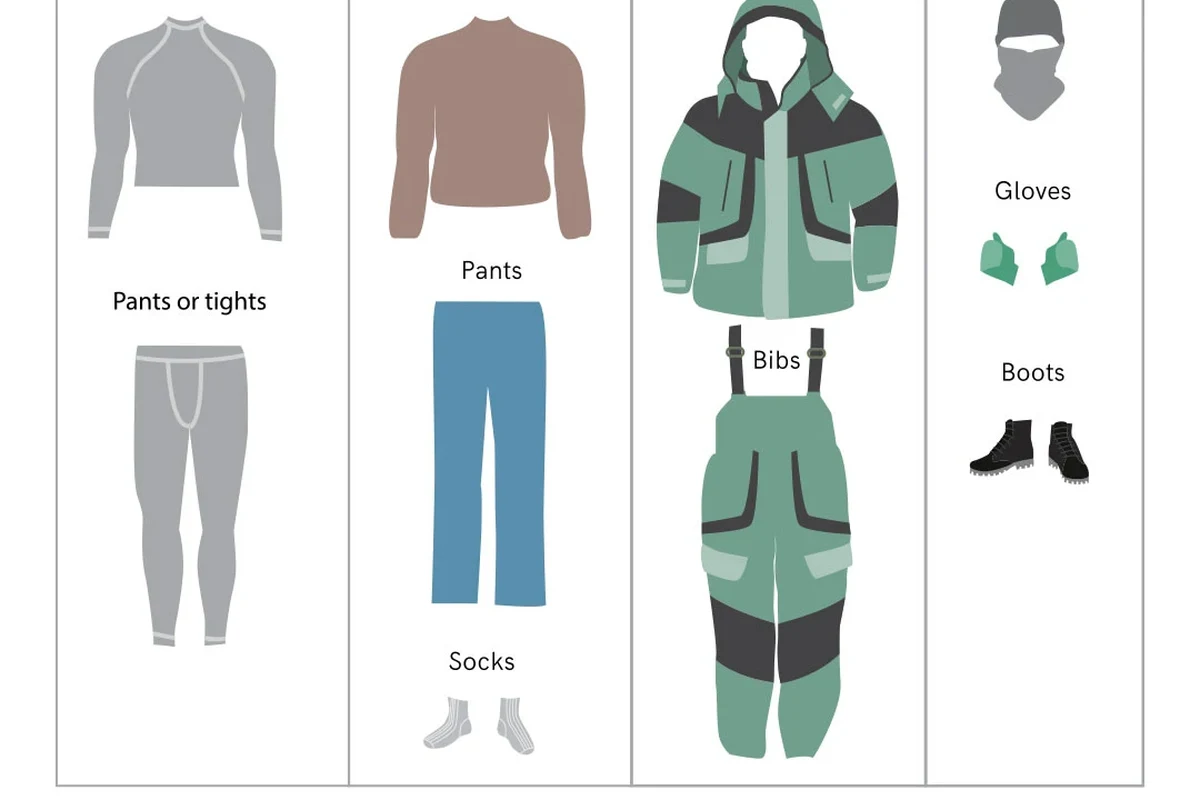
Visual guide: Can Fleas Travel on Clothing? What Travelers Need to Know in 2026
Yes, fleas can travel on clothing, but they usually do it by hitchhiking rather than living long-term on fabric. They may cling to socks, pant cuffs, jackets, or seams long enough to move from one place to another, then jump off when they find a better host or hiding spot.
That is why travelers should think of fleas as a transport problem as much as a pest problem. If you spend time around pets, cabins, shared seating, or outdoor areas with animals, your clothes can carry fleas into your car, hotel room, or home before you notice anything unusual.
How Fleas Hitchhike on Fabric, Shoes, and Luggage
Fleas do not “attach” to clothing the way lint does, but they can grab onto textured fabric, crawl into folds, and hide in darker areas. Shoes, backpacks, duffel bags, and car seat covers can also give them a temporary ride.
This is one reason travel packing habits matter. A fleece jacket tossed on the floor in a cabin, or hiking pants worn through brush and then placed in a suitcase, can become a simple pathway for fleas to spread.
Why fleas cling to seams, cuffs, socks, and pet hair
Seams, cuffs, sock tops, and pant hems offer small protected spaces where fleas can stay out of sight. Pet hair and dander can make clothing even more appealing, since fleas are often already moving where animals have been resting.
Loose fabric and layered clothing create extra hiding places, especially around ankles and waistbands. If you are dressing for mountain weather, it helps to remember that warm layers can also give pests more places to lodge temporarily, which is useful to keep in mind alongside general packing advice like our guide to what to wear hiking for comfort and safety outdoors.
How long fleas can survive during transport
Fleas can survive for a while without immediately finding a host, but their chances depend on temperature, humidity, and whether they can reach skin, pet fur, or a warm indoor area. They are more likely to survive a short ride in clothing or luggage than a long dry stretch with no access to a host.
That is why quick action matters. The longer travel clothes sit in a bedroom, closet, or suitcase, the more time a flea has to move into carpet, bedding, or upholstery.
Real-World Travel Scenarios Where Fleas Spread Fast
Most flea problems start with ordinary travel moments, not dramatic infestations. A shared couch, a pet-friendly room, or a dusty vehicle can be enough if fleas are already present.
If your trip includes hiking, ranch stays, or mountain town stops, it is smart to think about where your clothes touched the environment. Even a clean-looking setting can hide a pest issue if animals have recently been there.
Hotels, vacation rentals, cabins, and shared lodging
In lodging, fleas may spread through carpets, rugs, upholstered chairs, bedding, or pet bedding left behind by previous guests. Vacation rentals and cabins can be especially tricky because they may have soft furnishings and variable cleaning routines.
If you are planning a stay and also looking for local activities, it is worth pairing your trip planning with practical research on the best things to do in Steamboat Springs Colorado so you can focus on the fun part of the trip while staying alert to travel risks.
Trails, campsites, pet-friendly stops, and vehicle interiors
Outdoor settings can also create flea exposure, especially where wildlife, dogs, or resting animals are present. Campsites, trailheads, pet-friendly patios, and picnic areas can all be contact points if fleas are in the area.
Vehicle interiors deserve attention too. A blanket, dog bed, or dusty floor mat can hold fleas long enough to move from one stop to the next, especially on road trips through places with lots of outdoor activity.
Signs Your Clothing May Have Picked Up Fleas
It is not always easy to spot fleas on clothing right away. They are small, quick, and good at hiding in seams or moving away from bright light.
Still, a few clues can tell you it is time to check your clothes, luggage, or pet gear more carefully.
What to look for after pet contact or outdoor exposure
After contact with pets, wildlife areas, or soft furniture, look for tiny dark specks, fast-moving insects, or unexplained itching around ankles and calves. Flea dirt, which looks like pepper-like debris, can also show up on fabric or in pet bedding.
If you were hiking or spending time outside, check socks, cuffs, and the inside edges of shoes and bags. A quick inspection can stop a small problem from becoming a bigger one once you return home.
How flea bites and skin irritation can appear after travel
Flea bites often show up as small red bumps that itch, commonly around the lower legs, ankles, waist, or places where clothing fits tightly. Some people react more strongly than others, so the same exposure can look mild for one traveler and more noticeable for another.
Skin irritation after travel does not always mean fleas, but it should prompt a closer look at clothing, bedding, and pet contact. If bites keep appearing or you suspect an infestation, it is wise to contact a pest professional or medical provider for guidance.
When you get back from a trip, keep worn clothes separate from clean items until you wash or heat-dry them. That simple habit can prevent fleas from moving into your closet or laundry basket.
Best Ways to Prevent Fleas from Traveling Home with You
The best prevention strategy is a mix of inspection, smart packing, and fast cleaning. You do not need a complicated routine, but you do need a consistent one.
Small habits before and after travel can make a big difference, especially on trips that include pets, cabins, or outdoor stops.
Clothing and luggage habits that reduce risk
Choose smooth, easy-to-check fabrics when possible, and avoid leaving clothes on the floor, couch, or bed in shared spaces. Packing clothes in sealed bags or packing cubes can also help keep any hitchhiking pests contained.
If you are planning active days outdoors, it can help to use travel clothing that is easy to shake out and wash quickly. For gear planning around mountain weather, our guide to the things to do in Steamboat Springs can help you match your outfit to your itinerary without overpacking.
Quick inspection, washing, and heat-drying routines
After a trip, inspect cuffs, collars, sock tops, shoe linings, and bag seams before bringing everything deeper into the house. If something looks suspicious, put it straight into the wash rather than setting it on furniture.
Heat is one of the most practical tools travelers have. Washing and then heat-drying clothing, blankets, and washable gear can help reduce the chance that fleas survive long enough to spread.
Pet-safe precautions before and after trips
If you travel with pets, make sure their flea prevention is current before the trip, especially if you will stay in cabins, rentals, or pet-friendly lodging. Bring a blanket or bed your pet already uses so you are not relying on shared furnishings.
When you return, check pets before they rejoin the rest of the house, and wash their travel bedding promptly. If you are unsure about pet-safe flea treatment or symptoms, ask your veterinarian rather than guessing.
Common Mistakes That Let Fleas Spread Faster
Most flea spread problems come from normal travel shortcuts. A few overlooked items can undo good intentions quickly.
The good news is that the fixes are usually simple once you know where the risk points are.
Rewearing travel clothes without checking them
It is tempting to wear the same jacket, pants, or socks again on a second day trip, especially if they look clean. But fleas can hide in folds and seams where you will not notice them at first glance.
A quick shake-out and inspection takes only a minute and can save you from bringing pests into your car, hotel room, or home.
Ignoring shoes, blankets, and car upholstery
People often focus on shirts and pants while forgetting shoes, throw blankets, pet covers, and vehicle seats. These items are common flea transport zones because they absorb contact from floors, animals, and outdoor surfaces.
If you camp, road trip, or switch between trail gear and town clothes, clean the soft items too. That includes the back seat where a dog rode, or the blanket you used on a cabin couch.
Assuming cold weather or clean rooms mean no fleas
Cold weather can reduce flea activity, but it does not guarantee a pest-free trip. Likewise, a room that looks tidy may still have fleas if an animal was there recently or if soft furnishings were not cleaned thoroughly.
This matters in mountain destinations, where weather can change fast and indoor-outdoor travel is common. If you are planning seasonal activities, check current conditions and local guidance before you go, especially for trail access, wildlife activity, and lodging-specific rules.
In Colorado mountain towns, flea risk is often tied more to pets, soft furnishings, and animal traffic than to one single season. That means a “clean” room or a chilly evening is not enough to rule them out.
Safety Notes for Steamboat and High-Country Travel
Steamboat Springs travel often includes a mix of lodging, outdoor activity, and pet-friendly stops, which makes flea prevention worth a little extra attention. Cabins, lodges, trailheads, and ranch stays can all involve shared fabrics or animal contact.
Because conditions vary by season and property type, it is smart to stay flexible and check local advice when you are not sure what to expect.
Local wildlife, pet-friendly stays, and seasonal conditions to watch
Wildlife and domestic animals can both be part of the travel picture in the high country. If you are staying somewhere pet-friendly or spending time near areas where animals rest, inspect soft gear more carefully than you would after a simple city hotel stay.
Seasonal conditions also matter. Dry air, changing temperatures, and the way people layer clothing for mountain weather can all affect how easily fleas hide, move, or survive in fabric.
When to be extra cautious around cabins, lodges, and trail gear
Be extra cautious after using shared blankets, upholstered furniture, or gear storage areas in cabins and lodges. Trail gear like gaiters, socks, and outer layers should also be checked if you sat on ground cover or rested near animals.
If you are unsure about a specific trail, campground, or wildlife area, official sources can help. For broader outdoor planning, the Colorado Parks and Wildlife site is a reliable place to check for current guidance, and local resort or visitor information can help you plan around seasonal changes.
Fleas spread fastest when travelers skip the post-trip check. If you suspect exposure, isolate the items, wash them promptly, and inspect nearby fabrics before putting anything away.
Fast Recap: How to Stop Fleas on Clothing Before They Become a Bigger Problem
Fleas can travel on clothing, shoes, blankets, and luggage, but they are easiest to stop when you catch them early. The most effective habits are simple: inspect your gear, keep worn items separate, and wash or heat-dry anything that may have been exposed.
For Steamboat and other high-country trips, stay especially alert around pet-friendly lodging, cabins, trail gear, and shared soft furnishings. A few minutes of prevention at the end of a trip is usually much easier than dealing with fleas after they spread indoors.
Frequently Asked Questions
Yes. Fleas can hitchhike on clothing, shoes, blankets, and luggage for short periods. They are more likely to spread when fabric has contact with pets, soft furnishings, or outdoor areas where animals rest.
Shake out cuffs, seams, socks, and pant hems, then inspect shoes and bag linings closely. If anything looks suspicious, wash and heat-dry the items before wearing them again.
Socks, pant cuffs, jackets, blankets, and soft bags are common hiding spots because fleas can tuck into folds and seams. Pet bedding and car upholstery can also carry them between stops.
They can be, especially if pets have stayed there or if soft furnishings are not cleaned often. Checking bedding, furniture, and your own travel clothes is a smart habit in shared lodging.
Keep worn items separate, wash them promptly, and use heat-drying when the fabric allows it. Inspect luggage, shoes, and pet gear before bringing them into bedrooms or closets.
If bites keep appearing, pets are scratching more than usual, or you find fleas in bedding or carpets, contact a pest professional or veterinarian. Local guidance is especially helpful if the exposure happened in shared lodging or around animals.