

Yes, bed bugs can travel on humans, but they usually do it by hitching a ride on clothing, bags, and bedding rather than living on your body. The best prevention is to inspect sleeping areas, keep luggage elevated, and wash or isolate travel items quickly after a trip.
Bed bugs can travel on humans, but not by living on your body the way lice do. They usually use people as a short ride, then hide in luggage, clothing, bedding, or furniture until they can settle near a sleeping area.
- Transport, not host: Bed bugs ride on items you carry, not on your skin long term.
- Spread risk: Luggage, seams, and soft fabrics are the biggest travel hazards.
- Early signs: Check for bites, dark spots, shed skins, and bugs in seams.
- Best prevention: Keep bags off beds, inspect rooms, and launder trip clothes fast.
Can Bed Bugs Travel on Humans? What Actually Happens When You Leave a Room
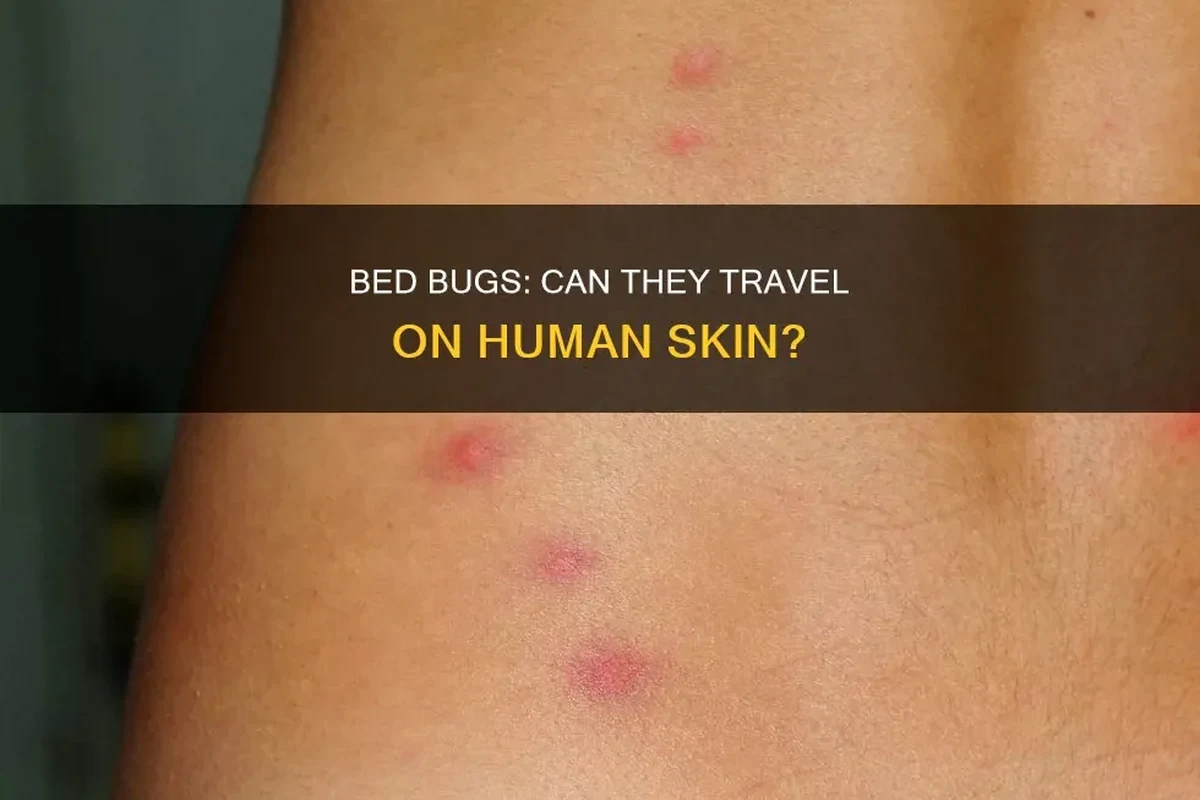
Visual guide: Can Bed Bugs Travel on Humans? What Actually Happens When You Leave a Room
Yes, bed bugs can travel on humans in the sense that they can cling to clothing, hair-adjacent fabric, shoes, or personal items long enough to move from one place to another. But they are not true human parasites that stay on your skin all day.
Most of the time, a bed bug prefers to stay close to a bed, sofa, or crack where it can feed at night and hide during the day. If you leave a room after a stay, the bigger risk is that one or more bugs come along for the trip in your belongings rather than crawling around on your body like a permanent hitchhiker.
How bed bugs use people as temporary transport, not long-term hosts
Bed bugs are opportunists. They are drawn to carbon dioxide, body heat, and nearby hiding spots, so they may climb onto a bag, jacket, or blanket while you are resting or packing up.
That is why the phrase “can bed bugs travel on humans” is accurate, but only in a limited way. They do not live in human skin or hair, and they do not stay attached to you for long once they find a better hiding place.
Why travelers, hikers, and short-term guests are especially at risk in 2026
Travelers are exposed to more shared sleeping spaces, more luggage handling, and more short stays in rentals, cabins, and transit stops. That creates more chances for a bug to move from one room to another before anyone notices.
In places with heavy visitor turnover, such as seasonal lodging near the mountains or busy weekend destinations, a single overlooked hitchhiker can spread quickly if it gets into a suitcase or soft bag. That is one reason readers planning things to do in Steamboat Springs should also think about lodging safety as part of trip planning.
How Bed Bugs Spread Fast: The Real Travel Path from Luggage to Lodging
Bed bugs spread fast because they do not need much room or food to survive between meals. Once they get into a soft-sided bag, folded clothes, or a mattress seam, they can stay hidden until they reach a new sleeping area.
The fastest spread usually happens when people move items from one bed or couch to another without checking them first. That is why prevention matters more than trying to “feel” whether a room is clean.
Clothing, backpacks, blankets, and suitcase seams as common hitchhiking spots
Soft materials give bed bugs plenty of seams and folds to hide in. Backpacks, duffel bags, blankets, hoodie pockets, and suitcase zippers are common places for them to cling during a move.
If you are packing for a cabin weekend or a ski-town stay, treat your bag like a storage zone, not a floor bin. A hard-shell case helps, but even then, seams and interior pockets still need a quick check.
Practical example: how one overnight stop can turn into a home infestation
Imagine an overnight stay where one bug crawls into a backpack pocket after lights out. The next morning, the bag goes straight into the car, then into a bedroom closet at home.
From there, the bug may move to a hamper, baseboard, or mattress seam. One night away can become a bigger problem if the item is unpacked too quickly or stored near sleeping spaces.
For travelers who also pack outdoor clothes, it helps to think about how gear is handled after a trip. If you already keep your packing system simple, the advice in best things to do in Steamboat Springs Colorado can pair well with a careful return-home routine.
Why bed bugs do not “live on” humans the way lice do
Lice live on a person’s body and feed there regularly. Bed bugs do not operate that way.
They feed briefly, then leave the host to hide. That means the main concern is transfer through belongings, not an infestation that stays on your skin all day.
Signs You May Have Picked Up Bed Bugs on a Trip
After travel, the first clues may show up in your luggage, sheets, or seams of clothing rather than on your body. A careful inspection right away can save a lot of trouble later.
The earlier you notice the signs, the easier it is to contain the problem before it spreads into a home bedroom or shared living space.
Visible clues on skin, clothing, bedding, and luggage
On skin, look for itchy red bumps, often in lines or small clusters. On bedding or bags, look for tiny dark spots, shed skins, tiny pale eggs, or live insects hiding in seams and corners.
You may also notice a sweet, musty odor in a heavily infested area, though that is not a reliable early sign on its own. Clothing and luggage should be checked along zippers, cuffs, hems, and pockets.
How to tell bed bug bites apart from mosquito bites or skin irritation
Bed bug bites often appear after sleeping and may show up in groups or straight lines. Mosquito bites are more random and usually happen on exposed skin outdoors.
Skin irritation from detergent, sweat, or friction can look similar at first. If the pattern keeps appearing after nights spent in shared lodging, bed bugs become more likely.
When symptoms appear after travel and why timing matters
Some people react within hours, while others do not notice bites for a day or more. That delay makes timing important when you are trying to connect symptoms to a hotel, rental, or cabin stay.
If the itching starts after a trip and you also find suspicious spots in your gear, assume the item may have been exposed and isolate it quickly. Early action is much easier than chasing bugs later.
Common Mistakes Travelers Make That Help Bed Bugs Spread
Most bed bug problems get worse because of simple travel habits, not because people are careless. A few routine mistakes can give bugs a direct route from one place to another.
Being aware of those habits helps you stay calm and practical instead of panicked.
Placing luggage on hotel beds, couches, or carpet
Hotel beds, upholstered couches, and carpeted floors are convenient, but they are also the easiest surfaces for a bug to reach. Once a bag sits there, the bug has a direct path into seams and pockets.
A better habit is to keep luggage elevated on a rack, a hard chair, or a clean bathroom surface while you inspect the room. That small change can reduce risk a lot.
Bringing used clothing straight into closets or drawers
Unwashed clothes from a trip should not go straight into your closet with clean items. If a bug is hiding in a cuff or fold, it can move into fabrics that stay untouched for days.
Use a separate bag or isolate the clothing until you can wash and dry it properly. That is especially useful after multi-stop trips or shared lodging.
Ignoring early inspection because the room “looks clean”
Bed bugs do not care whether a room looks tidy. A spotless rental can still have bugs hidden in mattress seams, headboards, or upholstered furniture.
Cleanliness and bed bugs are not the same thing. Even high-end lodging can have an issue if a bug was brought in by a previous guest.
For that reason, a quick inspection is worth doing every time, even on short trips. It takes less than five minutes and can prevent a much bigger headache.
How to Prevent Bed Bugs from Traveling Home With You
Good prevention is mostly about placement, inspection, and containment. You do not need special gear to reduce risk, just a consistent routine.
If you travel often for mountain weekends, family visits, or short cabin stays, these habits are worth making automatic.
Simple pre-checks for hotels, rentals, cabins, and transit stays
Check mattress seams, headboards, and the edges of upholstered furniture before settling in. Look for dark spotting, shed skins, or live insects in tight seams and corners.
If you are staying in a rental or cabin, inspect the sleeping area first, then set your bags away from the bed. When conditions are variable, it also helps to stay updated through official local sources like the Steamboat Springs Chamber and visitor resources or resort information for lodging-related travel planning.
Best luggage habits: hard-shell cases, sealed bags, and elevated storage
Hard-shell luggage can make it harder for bugs to hide, though it is not perfect. Sealed packing cubes or plastic bags add another layer of protection for clothing and small items.
Keep bags off beds and floors when possible. If there is a luggage rack, use it; if not, choose a hard surface and keep items zipped shut.
Clothing and laundry steps that reduce risk after a trip
When you get home, unpack in one controlled area instead of carrying items through the whole house. Put travel clothes directly into a washer if possible, then use a hot dryer cycle when the fabric allows it.
Heat is one of the most effective at-home tools for reducing risk. If something cannot be washed, isolate it in a sealed bag until you can treat it safely.
What to Do If You Think a Bed Bug Rode Home on You
If you suspect a bug came home in your luggage or clothing, act quickly but stay methodical. The goal is to contain the problem before it reaches bedrooms, couches, or shared laundry spaces.
Panic usually creates more spreading than the bug itself. A calm, step-by-step response works better.
Immediate containment steps for clothes, bags, and bedding
Set bags down on a hard surface away from beds and furniture. Seal travel clothes in a plastic bag until they can be washed or dried on high heat.
Check seams, pockets, and zippers before moving items again. If you slept with the bag near your bed, inspect the mattress edge, headboard, and nearby baseboards as well.
Cleaning, heat treatment, and when to isolate items
Wash and dry fabric items as soon as you can, using the hottest safe settings for the material. For items that cannot be laundered, heat treatment or professional advice may be more appropriate than guessing.
Do not move a suspected bag from room to room while deciding what to do. Isolation is better than spreading the problem to more spaces.
If an item is fragile, keep it sealed until you know the safest treatment option. A little delay is better than making the infestation harder to manage.
When a DIY response is enough versus when to call a professional
If you only saw one suspicious bug and found no other signs after a careful inspection, a strong DIY containment routine may be enough. That includes laundering, vacuuming, and monitoring closely for follow-up signs.
If you find multiple bugs, repeated bites, or signs in more than one room, professional help is usually the smarter choice. A local pest expert can confirm whether the problem has spread and recommend the right treatment plan.
Travel Safety and Local Caution: Why Steamboat Visitors Should Stay Alert in Shared Lodging
Steamboat Springs attracts a mix of winter visitors, summer travelers, and short-term guests, which can mean frequent turnover in lodging. That makes shared spaces worth a closer look, especially in busy seasons.
Visitors who split time between town, cabins, and outdoor activities may move bags from one space to another more often than they realize. That movement is exactly what bed bugs rely on.
Seasonal lodging turnover, ski traffic, and high guest rotation risks
High guest rotation means more chances for a bug to be introduced, hidden, and then carried onward. Ski weekends, holiday stays, and back-to-back bookings can all increase the odds that a problem gets overlooked.
Bed bugs are more about human movement than dirt or weather, which is why busy travel hubs and shared lodging can create repeat exposure risks.
Extra caution for cabins, vacation rentals, and multi-night stays in 2026
Cabins and rentals can feel more private than hotels, but they still depend on guest turnover. Soft furniture, extra blankets, and storage drawers can all hide bugs if they are not inspected.
For longer stays, make your first unpacking step a room check, not a closet dump. That one habit can make a big difference on a multi-night trip.
How to avoid overreacting while still taking bed bug prevention seriously
You do not need to treat every bite or dark speck as proof of an infestation. But you also should not ignore repeated signs just because the room feels comfortable.
The balanced approach is simple: inspect, isolate, launder, and monitor. That keeps you safe without turning travel into a stress test.
Final Recap: Can Bed Bugs Travel on Humans and Spread Fast?
Bed bugs can travel on humans indirectly by hitching a ride on clothing, bags, blankets, and other personal items. They do not live on people long term, but they can spread fast once they reach luggage or sleeping spaces.
The best protection is a travel routine that keeps bags elevated, clothing contained, and suspicious items isolated until they are cleaned or treated.
Key takeaway on human transport, infestation speed, and prevention
If you remember one thing, make it this: humans are transport, not habitat, for bed bugs. That means the fastest way to stop spread is to control what you bring home and where you place it.
Quick reminder of the most effective travel-safe habits
Inspect sleeping areas, keep luggage off beds and floors, wash and dry trip clothes quickly, and isolate anything suspicious. Those simple habits are the most reliable way to reduce risk on the road and back home.
Frequently Asked Questions
Yes, but usually only as temporary hitchhikers on clothing, bags, or blankets. They do not live on people the way lice do.
They can spread quickly if luggage, bedding, or soft furniture gives them easy hiding places. A single overlooked bug can move from one room to another through personal items.
Inspect luggage seams, clothing folds, and any bites or dark spots on bedding. Then isolate travel items before bringing them deeper into your home.
Hard-shell luggage is a good start because it has fewer fabric seams. Sealed packing cubes and keeping bags elevated also help reduce risk.
Bed bug bites often appear in clusters or lines after sleeping, while mosquito bites are usually more random and happen on exposed skin. Timing and pattern matter more than one bite alone.
Call a professional if you find multiple bugs, repeated signs in more than one room, or ongoing bites after returning home. A pro can confirm the issue and help stop it from spreading.