

Yes, bed bugs can travel on cats for a short time, but cats are not their preferred host. The bigger risk is bed bugs hitching a ride home in luggage, bedding, carriers, and other soft travel items.
If you’re wondering can bed bugs travel on cats, the short answer is yes, but it’s not their favorite way to move. Bed bugs usually prefer people, luggage, furniture, and soft travel items, so cats are more of an occasional carrier than a true host.
- Short answer: Cats can carry bed bugs briefly, but they are not true hosts.
- Main risk: Travel gear and bedding spread bed bugs more often than pets do.
- Best response: Isolate fabrics, inspect seams, and wash/dry items on high heat when safe.
- Do not do: Never use harsh pesticides or foggers on pets.
- Call help: Get a pest pro if bugs appear in multiple rooms or keep returning.
Can Bed Bugs Travel on Cats? The Short Answer for Pet Owners
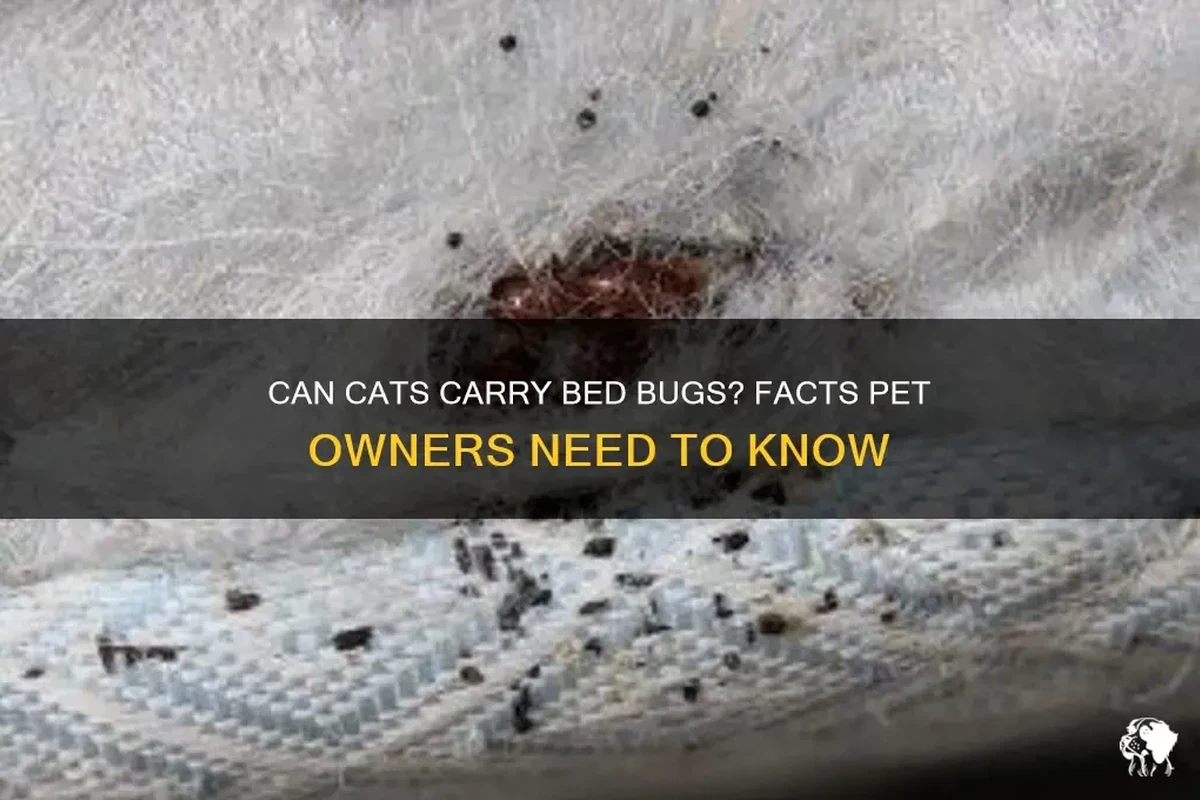
Visual guide: Can Bed Bugs Travel on Cats? The Short Answer for Pet Owners
Bed bugs can cling to a cat’s fur for a short time, especially if the animal has been resting near an infested couch, bed, carrier, or hotel room. But unlike fleas, bed bugs do not live on pets or feed on them regularly, which means a cat is usually not where they set up shop.
For pet owners, the bigger concern is not that bed bugs will infest your cat, but that they may hitch a ride into your home on bedding, carriers, blankets, or your own clothes after travel. If your trip includes pet-friendly lodging or a cabin stay, the risk often comes from shared sleeping areas and soft furnishings, not the cat itself.
How Bed Bugs Move: Why Cats Are Usually Not Their Preferred Ride
Bed bugs are built to hide, not to live on moving hosts. They prefer tight seams, cracks, and protected spaces where they can wait for a blood meal and then retreat quickly.
That is why they are much more likely to travel in suitcase linings, upholstered furniture, or folded pet blankets than to stay on a cat’s body. A cat’s grooming habits, movement, and fur texture make it harder for bed bugs to remain attached for long.
What bed bugs actually look for in a host
Bed bugs are drawn to warmth, carbon dioxide, and easy access to exposed skin. They are most active when people or animals are resting still, which gives them time to feed and hide again.
Because cats move often and groom themselves, they are not ideal long-term hosts. In most cases, a bed bug on a cat is simply passing through after contact with an infested area.
Why fur, movement, and body temperature matter
Fur creates a less stable surface for bed bugs than bedding or fabric seams. Rapid movement can knock them off, and constant grooming makes it even less likely that they will stay in place.
Body temperature still matters, though. If a cat naps in an infested room, a bed bug may briefly crawl onto the animal while searching for a warmer feeding spot nearby.
Signs Your Cat May Have Come Into Contact With Bed Bugs
It can be hard to tell whether a cat has encountered bed bugs because the insects usually hide better than they bite. What you may notice first is your cat scratching, acting restless, or seeming irritated after sleeping in a questionable place.
If you recently stayed in a hotel, boarded your cat, or brought home secondhand pet gear, take a calm, careful look rather than assuming the problem is fleas or an allergy. A quick inspection can help you spot the real source before it spreads.
Where to check on a cat after suspected exposure
Look around the neck, belly, base of the tail, inner thighs, and any places where fur is thinner. Also inspect collars, harnesses, blankets, and the seams of carriers, since those are more likely hiding spots than the cat’s skin.
If you see tiny dark specks, shed skins, or live insects on nearby fabric, the issue may be in the environment rather than on the pet. That distinction matters because treatment is very different.
Common skin reactions and what they can mean
Bed bug bites on cats are not always obvious, and some cats show little to no visible reaction. If there is irritation, it may look like small red bumps, mild swelling, or excessive licking in one area.
Those signs can also come from fleas, mites, contact irritation, or allergies, so they are not proof on their own. If the skin looks inflamed or your cat seems uncomfortable, a veterinarian can help rule out other causes.
How Bed Bugs Get Into Homes Through Travel, Boarding, and Shared Spaces
Travel is one of the most common ways bed bugs move from place to place. For GhostRanch Steamboat readers heading out for a ranch weekend, cabin stay, or mountain getaway, the main risk is usually what you bring back in your luggage and pet gear.
That is especially important if you mix travel with outdoor plans, since gear often gets piled together in one room. A pet carrier next to hiking bags, blankets, and jackets can make it easier for pests to spread unnoticed, much like keeping track of things to do in Steamboat Springs is easier when your trip planning stays organized.
Hotel stays, vacation rentals, and pet-friendly lodging risks
Bed bugs are most often associated with beds, upholstered headboards, and luggage racks, but they can also hide in curtains, baseboards, and couch seams. Pet-friendly lodging adds another layer of caution because carriers, pet beds, and soft toys can sit close to those surfaces.
Before settling in, inspect the mattress seams, bed frame, and nearby furniture. If you are planning a longer stay and want to balance comfort with outdoor time, the best things to do in Steamboat Springs Colorado often involve a lot of movement, which makes a tidy unpacking routine even more useful.
Veterinary clinics, grooming shops, and rescue transport scenarios
Shared indoor spaces can create opportunities for bed bugs to move in bags, blankets, or soft carriers. That does not mean every clinic or grooming shop is a risk, only that pet owners should be mindful when items are set down in waiting areas or transport vehicles.
Rescue transport, fostering, and multi-stop travel can also increase exposure because animals and supplies change hands more often. In those cases, careful inspection of blankets and carriers is just as important as checking the pet itself.
What to Do If You Suspect Bed Bugs on Your Cat or in Your Home
Start with containment, not panic. Move the cat to a clean area, then focus on the bedding, carrier, and fabric items that may have come from the suspected space.
Bed bugs are difficult to eliminate by spot-cleaning alone, so the goal is to stop them from spreading while you confirm where they are hiding. If you are unsure, a pest professional can help identify the insect before you start treating the wrong problem.
Immediate steps for isolating bedding, carriers, and soft items
Place bedding, blankets, and washable pet fabrics into sealed bags until you can launder them. If the carrier has fabric parts, keep it separate from clean rooms and inspect seams, zippers, and corners carefully.
Vacuum nearby floors and furniture edges, then empty the vacuum contents into a sealed bag and remove it from the home. This is not a complete fix, but it can reduce the chance of spreading bugs while you plan the next step.
Safe cleaning methods and what not to do to protect your pet
Use hot washing and high-heat drying for washable items when the care label allows it. Heat is one of the most effective tools for bed bug control on fabrics, but you should always follow the item’s instructions so you do not damage pet gear.
Do not spray household pesticides on your cat, and do not use foggers or “bug bombs” in a room where your pet is present. Those products can be dangerous for animals and often fail to reach the hiding places bed bugs use.
Common Mistakes Pet Owners Make When Dealing With Bed Bugs
Bed bug stress can lead to rushed decisions, especially when a pet is involved. The most common mistakes are treating the animal like the infestation source and skipping a proper inspection of the home.
Another issue is confusing bed bugs with fleas, skin allergies, or household dust irritation. That can delay the right response and make the problem harder to contain.
Using harsh pesticides on pets
Never apply products to your cat unless they are specifically labeled for that animal and approved by a veterinarian. Bed bug sprays made for furniture or baseboards are not pet treatments.
If you are tempted to “just try something strong,” pause and call a vet or licensed pest professional instead. The wrong chemical can harm your pet faster than it helps your home.
Assuming fleas or allergies instead of checking for bed bugs
It is easy to assume any scratching means fleas. But bed bug exposure is more likely when the timing matches travel, guest stays, secondhand furniture, or a new shared sleeping space.
Look at the whole picture: where your cat slept, what fabric items came home with you, and whether you notice bites or dark spotting on human bedding. A pattern often tells you more than one symptom alone.
Prevention Tips for Pet Owners Who Travel or Host Guests
Prevention is much easier than cleanup. The best strategy is to inspect sleeping areas, keep pet items organized, and limit the number of soft surfaces that move between rooms, vehicles, and lodging.
That matters whether you are road-tripping to the mountains, hosting family, or bringing a cat along for a cabin getaway. A little extra caution at check-in and check-out can save a lot of work later.
Travel checklist for cat owners in 2026
Before you leave, pack only the pet items you need, and keep them in sealed or easy-to-inspect containers. Bring washable bedding, a clean liner for the carrier, and a separate bag for dirty items.
When you arrive, inspect the sleeping area before setting down the carrier. If you are traveling with outdoor plans, altitude changes, or a busy itinerary, a simple prep routine helps keep the trip smoother than scrambling after a problem appears.
After any hotel or rental stay, place pet blankets and clothing directly into a sealed laundry bag before they touch your home’s couch, bed, or carpet.
How to inspect pet gear, luggage, and sleeping areas before reentry
Check seams, zippers, pockets, and folds in carriers and luggage before bringing them inside. A flashlight helps you spot tiny insects, eggs, or dark spotting along stitching and corners.
It also helps to keep travel gear in one place near the entryway until you can clean it. If you want a broader packing mindset for mountain trips, reading about what to carry when hiking safe fun adventure can reinforce the habit of separating essentials from extra fabric items.
When to Call a Pest Professional and What It May Cost
Call a professional if you keep finding bugs after laundering and vacuuming, or if you notice activity in more than one room. Bed bugs spread quietly, so early help can prevent a small issue from becoming a whole-home problem.
Professional treatment may involve inspection, targeted heat or chemical treatment, follow-up visits, and a preparation checklist for the household. Costs vary by home size, infestation level, and treatment method, so ask for a written estimate and a clear plan before moving forward.
Signs the infestation has spread beyond one room
If bugs show up in the bedroom and living room, or if you find them in luggage storage, closets, or pet bedding, the infestation may be broader than it first appeared. Repeated bites or sightings after cleaning are another warning sign.
You may also see shed skins, tiny dark stains, or live insects in seams and cracks near sleeping areas. At that point, DIY efforts alone are often not enough.
Typical treatment timeline and pet-safe planning considerations
Treatment timelines vary, but most homes need preparation, an initial treatment, and at least one follow-up inspection. If you have pets, you will also need a safe place for them to stay during any treatment that requires leaving the home.
Ask the company how they handle pet safety, where animals should go during treatment, and when it is safe to return. Clear planning matters just as much as the treatment itself.
Final Takeaway: Can Bed Bugs Travel on Cats, and What Should You Remember?
Yes, bed bugs can travel on cats, but cats are not their preferred host and usually are not the main way infestations spread. The bigger risk is that bed bugs move into your home through luggage, bedding, pet carriers, and other soft items used during travel.
If you inspect carefully, clean fabrics promptly, and avoid unsafe pesticides, you can protect both your cat and your home. For pet owners who travel often, that simple routine is one of the most practical forms of pest prevention.
Frequently Asked Questions
No, bed bugs do not live on cats the way fleas do. They may briefly ride on fur, but they prefer hiding in furniture, bedding, and luggage.
Inspect the carrier, blankets, bedding, and any soft travel gear first. Then check seams, folds, and nearby furniture for live bugs or dark spotting.
Keep pet items separate, use sealed bags for dirty fabrics, and inspect luggage before bringing it inside. Wash and dry washable items on high heat when the care label allows it.
Soft carriers, blankets, beds, and fabric toys are the main concerns. Bed bugs hide best in seams, zippers, and folds.
Call a professional if bugs keep appearing after cleaning or if you find them in more than one room. A broader spread usually needs inspection and targeted treatment.
Many treatments can be made pet-safe with proper planning, but pets usually need to leave the area during application. Always follow the pest company’s instructions and ask your veterinarian if you have concerns.