

Yes, bed bugs can travel on a person, usually by hiding in clothing, luggage, or outerwear rather than living on skin. A fast inspection, sealing exposed items, and high-heat laundering are the best ways to stop them from coming home with you.
Bed bugs can travel on a person, but they usually do it as a temporary hitchhiker rather than living on your body. For travelers, the real risk is that a bed bug can cling to clothing, shoes, jackets, backpacks, or luggage and end up in your next stop.
- Travel risk: Bed bugs hitchhike on soft items, not on skin like lice.
- Best prevention: Inspect seams, pockets, zippers, and bedding before unpacking.
- Most useful cleanup step: Use high heat for washable fabrics when the care label allows.
- Biggest mistake: Putting luggage on beds, couches, or carpets.
Can Bed Bugs Travel on a Person? What Travelers Need to Know in 2026
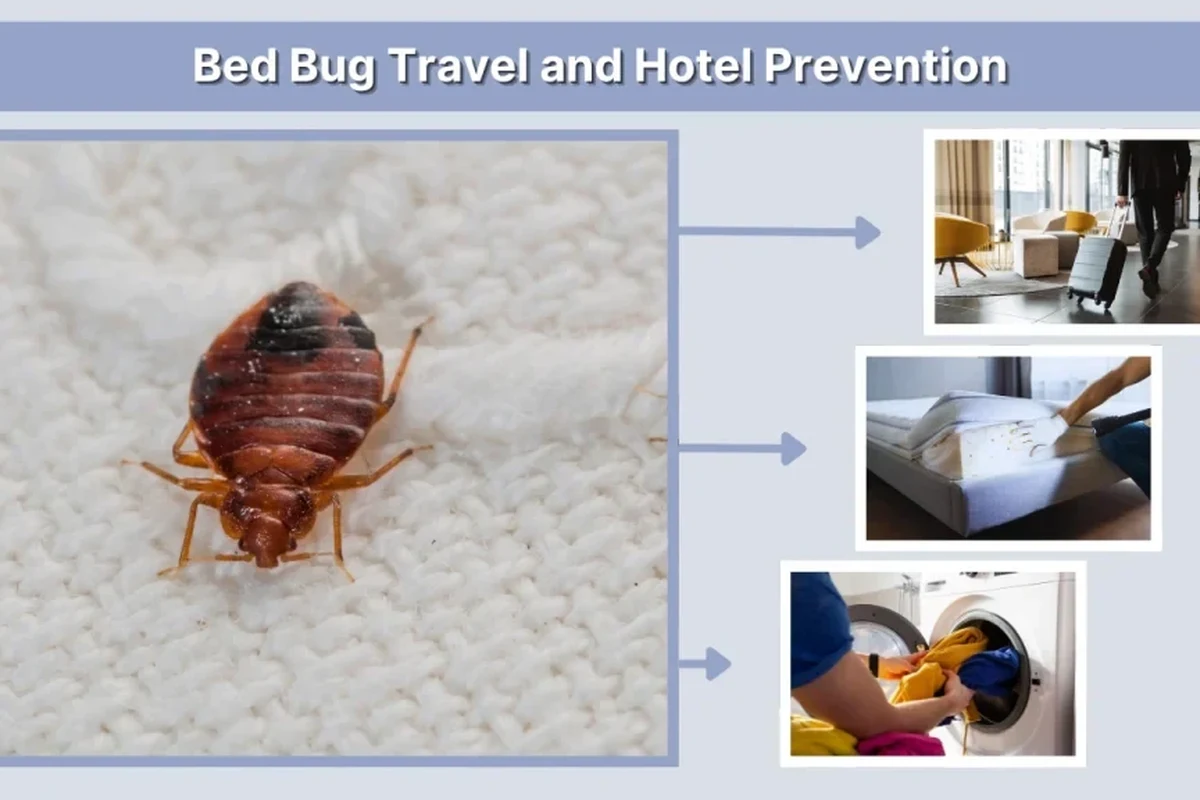
Visual guide: Can Bed Bugs Travel on a Person? What Travelers Need to Know in 2026
Yes, bed bugs can travel on a person, but they do not live on human skin like lice or ticks. They prefer dark cracks and seams, so they often use people as a moving bridge from one place to another.
That matters whether you are checking into a hotel, sleeping in a road-trip stopover, or renting a cabin for a weekend in the mountains. A quick prevention routine is much easier than dealing with an infestation later, especially if your trip includes multiple stops and mixed lodging.
How bed bugs actually move from place to place
Bed bugs usually spread by crawling into fabric folds, seams, and hidden spaces. They can move from a mattress to a bag, from a couch to a coat, or from one room to another through shared walls, furniture, or housekeeping items.
They are not jumpers or flyers, so they rely on close contact and human movement. That is why a traveler sitting on an infested bed or leaning a backpack against upholstered furniture can accidentally carry them onward.
Why this question matters for hotel stays, road trips, and short-term rentals
Hotels and rentals are not automatically risky, but they do create more chances for contact with shared furniture and bedding. Late arrivals, quick turnarounds, and tired travelers often skip the inspection step, which is when bed bugs are most likely to slip by unnoticed.
If your travel plans include sightseeing in town, a ranch stay, or a mountain weekend, it helps to build a habit of checking your room before unpacking. If you are planning activities after arrival, you can also review the things to do in Steamboat Springs so you are not rushing through your lodging check when you arrive.
Signs a Bed Bug May Be Hitching a Ride on You
Most travelers do not notice a bed bug right away because the insect is small and hides well. The warning signs are usually indirect, and they show up in clothing, luggage, or on items you carried into the room.
What to look for after sitting on beds, couches, buses, or airport seating
After sitting in a bed, on a couch, or on public seating, look for tiny reddish-brown insects, small dark spots, or shed skins on fabric and seams. You may also notice a musty odor in heavily infested spaces, though that is not always present.
Pay attention to the seams where your clothes touched the surface, especially around cuffs, waistbands, hems, and jacket linings. If you were on a bus, shuttle, or rideshare with fabric seats, check the areas where your bag or coat rested.
Common body, clothing, and luggage clues travelers miss
Bed bugs rarely stay on the body for long, so the bigger clue is usually where you were sitting or what you were carrying. Travelers often miss live bugs tucked into hoodie pockets, sock cuffs, backpack zippers, and the folds inside a suitcase.
Bites can happen, but they are not a reliable sign because reactions vary from person to person. A better clue is finding specks on sheets, tiny bugs near piping or buttons, or unexplained spots on your travel gear after a stay.
How Bed Bugs Attach, Hide, and Spread During Travel
Bed bugs do not bite and cling in the same way a tick does. Instead, they hide in protected spaces and move when clothing, bags, or bedding are transferred from one place to another.
Clothing seams, backpacks, shoes, and jackets: the most common hiding spots
The most common hiding places are seams, zippers, folds, and layered items that stay close to the body. Jackets and backpacks are especially important because they often sit on beds, chairs, and floors during a trip.
Shoes and boots are less common hiding spots than fabric items, but they still deserve a quick look if they were placed near a bed or upholstered chair. If you are packing for active days, a guide like best things to do in Steamboat Springs Colorado can help you plan ahead so you are not unpacking in a hurry after a long day out.
Real-world travel examples: lodging, rideshares, ski trips, and overnight stops
Think of a ski weekend, a family road trip, or a last-minute overnight stop in a mountain town. If a backpack is set on a motel bed, then moved into a car and later into a cabin, any hidden bed bugs can travel with it.
Rideshares and shuttles are another overlooked transfer point because travelers often place coats or luggage on fabric seats. The same applies to hostel bunks, vacation rental sofas, and waiting-room chairs when you are moving between destinations.
How to Stop Bed Bugs From Traveling on You
The best defense is a fast routine that you repeat every time you leave a room, vehicle, or rental. It takes only a few minutes and can prevent a much bigger cleanup later.
Fast inspection routine before leaving a room or vehicle
Before you pack up, check the mattress seams, headboard, bed frame, and nearby upholstered furniture. Then inspect your luggage handle, outer pockets, jacket cuffs, and the place where your bag sat.
If you find a live bug or suspicious spotting, stop using the item until you can isolate it. A simple habit is to keep your luggage closed, lifted, and away from beds and couches whenever possible.
Use a flashlight from your phone to inspect seams and corners quickly. Bed bugs are easier to spot along piping, tufts, and stitching than on open fabric.
Heat, sealing, and laundering steps that actually work
Heat is one of the most reliable tools for bed bug control. If clothing or washable fabric may have been exposed, dry it on high heat when the care label allows, then wash as appropriate.
Seal questionable items in a plastic bag or container until you can treat them. That keeps any hidden bugs from spreading to clean laundry, bedding, or your car interior.
For mountain trips, weather can make it tempting to air out clothes in the car or on a porch, but that does not replace heat treatment. If you are unsure whether a fabric can handle high heat, follow the care label first.
What to do with luggage, outerwear, and travel gear immediately after exposure
Put luggage on a hard surface, not on a bed or carpet, until you can inspect it. Unpack directly into a laundry area if possible, and keep clean clothes separate from anything that may have been exposed.
Outerwear should be checked at the cuffs, collar, and pockets before it goes back into your closet. If you use backpacks for hiking or day trips, shake them out carefully outside and inspect the seams before bringing them indoors.
Set luggage on tile, a luggage rack, or another hard surface away from beds and upholstered furniture.
Place worn clothes, jackets, and soft gear into sealed bags until you can launder or heat-treat them.
Check seams, pockets, and zippers, then launder or dry on high heat when the fabric allows.
Common Mistakes That Let Bed Bugs Come Home With You
Most post-trip problems happen because people are tired, rushed, or trying to unpack quickly. A few small mistakes can give bed bugs the chance to move from travel gear into the home.
Putting bags on beds or carpets
This is one of the easiest ways to spread bed bugs. A bag on the bed can pick up bugs from the room, and a bag on carpet can give hidden bugs a soft place to fall and hide.
Keep luggage off sleeping areas and soft furniture until you have had time to inspect it. A luggage rack, bathroom floor, or entryway tile is usually safer than a bedspread.
Skipping inspection after a long trip or late-night arrival
Late-night arrivals are when many travelers skip the routine. That is understandable, but it is also when bed bugs are most likely to slip into a room, because the bag gets dropped and unpacking happens too fast.
Even a short inspection is worth it before you go to sleep. If you are too tired to do a full check, at least keep your bag sealed and inspect it the next morning before the rest of your belongings spread out.
Using sprays or home remedies that don’t solve the problem
Store-bought sprays and home remedies often miss the bugs hiding deep in seams, cracks, and fabric layers. They may also push bugs into new hiding spots without eliminating the source.
The safer approach is containment, heat, laundering, and careful inspection. If you suspect a real infestation, quick action matters more than trying random treatments.
Do not rely on scented sprays, foggers, or DIY mixes as your main solution. They can leave the original problem in place and make cleanup harder later.
Travel Safety Tips for Hotels, Rentals, and Outdoor Lodging
Steamboat-area trips often include a mix of hotels, condos, cabins, and outdoor stays, so the type of lodging can change the level of inspection you need. Shared furniture, soft bedding, and high turnover are the main things to watch.
How to inspect mattresses, headboards, and upholstered furniture quickly
Start with the mattress seams, tags, and corners, then look behind the headboard and around the bed frame. Check upholstered chairs and sofas near the bed, especially along seams, buttons, and the underside.
A flashlight makes the process faster, and you do not need to tear the room apart. You are mainly looking for live bugs, dark spotting, shed skins, or clusters of tiny eggs in protected seams.
Special caution for cabins, hostels, and mountain-town stays near GhostRanch Steamboat
Cabins and hostels can be comfortable and affordable, but they often have more shared surfaces and more guest turnover than a private home. That makes a quick inspection especially useful when you are staying near the mountains or moving between outdoor activities.
If your trip includes hiking, skiing, or ranch time, pack in a way that keeps clean and worn gear separate. For example, if you are planning a full day out, reviewing the things to do in Steamboat Springs in advance can help you avoid last-minute packing that leads to missed checks.
When to request a room change or leave a property
If you find clear evidence of bed bugs, ask for a room change only after the property has taken the issue seriously and moved you to a different area. Do not place your belongings on the floor or bed of the new room until you inspect it too.
In some cases, leaving the property is the safer choice, especially if multiple rooms seem affected or the response is weak. If you are traveling with kids or sensitive gear, a quick exit may save time and stress later.
If you suspect a widespread issue in a rental, hotel, or cabin, contact the property manager right away and document what you found. For severe infestations or repeated exposure, a licensed pest control professional can help you choose the safest next step.
Bed Bug Prevention vs. Bed Bug Cleanup: Time, Cost, and Response Options
Prevention is usually cheaper and faster than cleanup, especially for travelers who move between multiple stays. A few minutes of inspection and laundry is far less disruptive than replacing luggage, treating clothing, or dealing with a home infestation.
Low-cost prevention steps compared with the expense of infestation cleanup
Most prevention steps cost little or nothing: inspect, isolate bags, launder exposed fabric, and keep gear off soft surfaces. Cleanup can become expensive if bugs reach bedding, furniture, or multiple rooms.
The hidden cost is time. Once bed bugs get home, you may spend hours washing, drying, bagging, checking, and possibly arranging treatment for the house or rental.
How much time a proper post-travel inspection and laundry routine takes
A basic post-trip routine can often be done in under an hour, depending on how much gear you brought. The more clothing, outerwear, and soft items you carry, the longer laundering and sorting will take.
That is still usually easier than dealing with a full infestation response. Travelers who pack light and use separate bags for clean and worn items tend to finish faster.
When professional pest control becomes the safer choice
If you see repeated signs of bed bugs, find bugs in more than one spot, or notice them in your home after a trip, professional help is often the safer option. A licensed pest control company can confirm the problem and recommend treatment based on the space and severity.
That is especially important if you live in a multi-unit building or are traveling with children, older adults, or anyone who may be more affected by repeated bites and stress. Professional treatment can cost more upfront, but it may prevent a much larger problem later.
Bed bugs are often introduced during travel, then spread when luggage or clothing is placed on soft furniture. That is why one small habit change can make a big difference.
Final Recap: The Smartest Way to Travel Without Bringing Bed Bugs Home
The short answer is yes, bed bugs can travel on a person, but they usually do it by hiding in clothing, bags, or gear rather than living on your skin. The safest travel habit is to inspect early, keep soft items contained, and treat questionable fabrics with heat as soon as you can.
Key takeaways for preventing bed bugs from traveling on a person
Stay alert after using beds, couches, buses, rideshares, or shared lodging furniture. Keep luggage off beds and carpets, and inspect seams, pockets, and zippers before unpacking.
If you are building a mountain-town travel routine, a little preparation goes a long way. Travelers who plan their gear and timing around activities usually have an easier time staying organized and avoiding rushed mistakes.
Simple post-trip routine to repeat after every stay
Check your bag before it comes inside, isolate exposed clothing, and launder or heat-treat washable items promptly. Then inspect jackets, backpacks, and shoes so hidden bugs do not get a second chance to spread.
Repeat the same process after hotels, rentals, cabins, and long transit days. Once it becomes a habit, it takes only a few minutes and can save you a lot of trouble later.
Frequently Asked Questions
Yes, but they usually travel by hiding in clothing, luggage, or jackets rather than on skin. A quick room inspection and careful unpacking lower the risk.
Check luggage seams, jacket cuffs, backpack zippers, and the bed area before unpacking. If you are too tired, keep bags sealed until morning and inspect them then.
Any shared lodging can create risk, especially when there is high guest turnover or soft furniture. Cabins, hostels, and rentals all benefit from a fast inspection routine.
Pack light, keep clean and worn items separate, and organize gear so you can inspect it easily. That helps with both travel comfort and bed bug prevention.
Sealable bags, a flashlight, and a luggage rack or hard surface for your bag are the most useful basics. They make inspection and containment much easier.
Call a licensed pest control professional if you find repeated signs of bed bugs, see them in more than one area, or suspect they reached your home. Quick expert help can prevent a larger infestation.