

Yes, bed bugs can travel, but they usually do it by crawling or hitchhiking on luggage, clothes, and bedding. The best protection is to inspect lodging early, keep bags off beds, and treat suspicious items quickly when you get home.
If you’re wondering can bed bugs travel, the short answer is yes, but not in the way many travelers imagine. They do not fly or jump; instead, they crawl and hitchhike on people, fabrics, luggage, and shared furniture, which makes travel-related exposure a real concern in hotels, rentals, cabins, and transit spaces.
- Travel method: Bed bugs crawl and hitchhike; they do not fly or jump.
- Biggest risk: Luggage, clothing, and bedding can move them between locations.
- Best defense: Inspect rooms before unpacking and keep gear contained.
- Early action: Isolate suspicious items and use heat treatment fast.
- Travel habit: A simple routine works better than overreacting.
Can Bed Bugs Travel from Place to Place? Understanding the Real Risk for Travelers
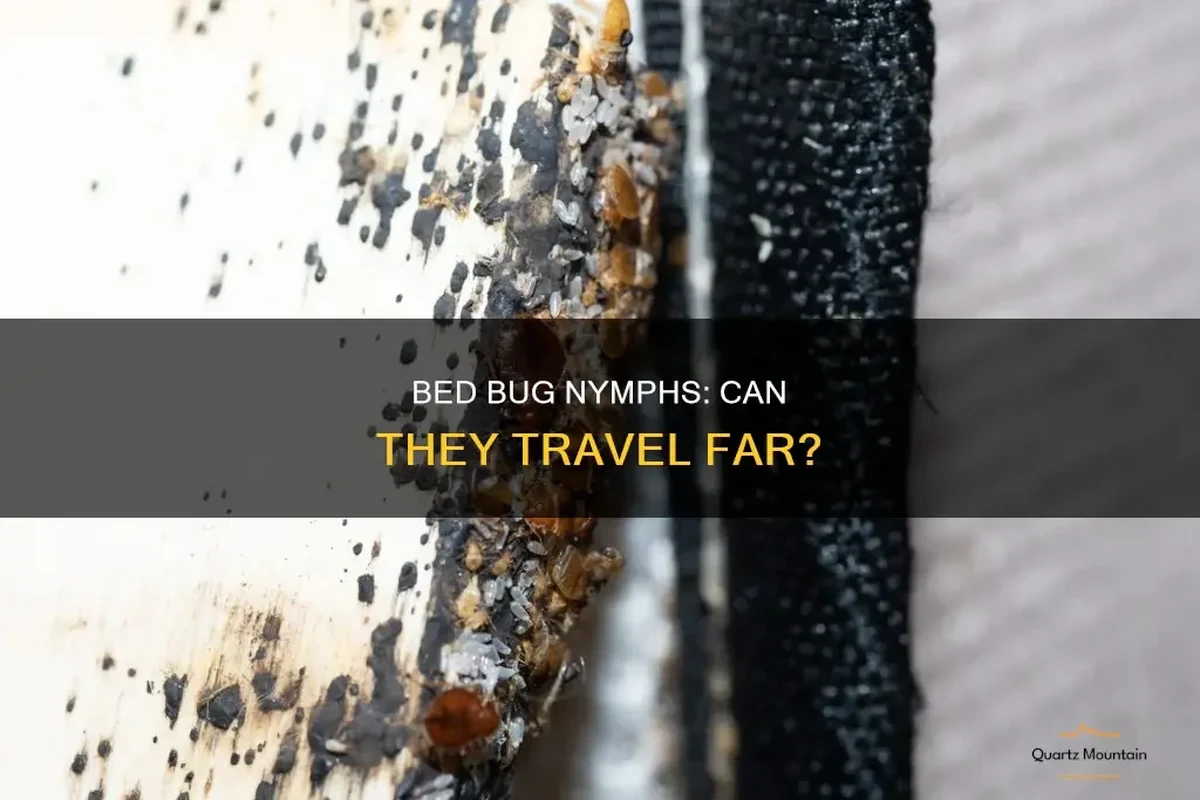
Visual guide: Can Bed Bugs Travel from Place to Place? Understanding the Real Risk for Travelers
Bed bugs are small, flat, and excellent at hiding in seams, folds, and cracks. That means they can move from one room to another, or from one guest’s belongings to another’s, without being noticed until later.
How bed bugs move without flying or jumping
Bed bugs don’t have wings, and they don’t leap like fleas. They move by crawling slowly and by attaching themselves to soft items, such as clothing, blankets, and bags, especially when those items are left near beds, couches, or upholstered chairs.
That’s why a traveler can leave a room with no obvious pest problem and still bring one home. A single bug, or a few eggs hidden in a zipper seam, can be enough to start a new infestation if the timing and conditions are right.
Why hotels, rentals, airports, and luggage are common transfer points
Any place with high guest turnover creates more opportunities for bed bugs to spread. Hotels, vacation rentals, shuttles, and airport seating areas can all act as transfer points because bags and outerwear are often set down, stacked, or stored close to other travelers’ belongings.
In mountain destinations, that risk can extend to cabins, lodges, and shared vacation homes where luggage may sit near beds or couches before guests fully unpack. If you’re planning a trip and also looking for things to do in Steamboat Springs, it helps to think about pest prevention the same way you think about weather prep: a few smart habits early can save a lot of trouble later.
What travelers usually want to know before unpacking
Most travelers want to know whether a room is safe enough to unpack right away. The better question is whether you have checked the most likely hiding spots first, because bed bugs are usually found near where people sleep or rest, not in the middle of a room.
Before setting a suitcase on the bed, place it on a luggage rack, hard surface, or bathroom floor while you inspect seams, headboards, and mattress edges.
How Far Can Bed Bugs Go on Their Own?
On their own, bed bugs usually travel only short distances. Their strength is not speed or range; it is persistence, concealment, and their ability to stay close to people.
Typical crawling distance in a room, hallway, or building
Within a room, bed bugs often move only as far as they need to reach a resting person or a hiding spot. They can crawl across beds, floors, baseboards, and cracks in furniture, and they may spread into adjacent rooms or hallways if conditions allow.
That said, “far” for a bed bug is relative. A few feet from a mattress to a wall gap can be plenty if it gets them access to a host, and in larger buildings they may travel through wall voids, electrical openings, or shared furniture over time.
What “travel” means for bed bugs versus other pests
For many pests, travel means active movement across a landscape. For bed bugs, travel usually means moving from one human environment to another by crawling into items that people carry, store, or wear.
That difference matters because the pest control strategy is not about chasing them across long distances. It is about interrupting access to sleeping areas, soft luggage, and cluttered hiding places where they can wait unnoticed.
Why distance matters less than access to people, fabric, and hiding spots
Bed bugs are drawn to the places people spend the most time still. A short crawl to a backpack, jacket, or bed seam can be more important than any “distance” measurement, because it connects them to warmth, carbon dioxide, and easy shelter.
If you’re already planning outdoor time around town, including the best things to do in Steamboat Springs Colorado, the same principle applies to your lodging setup: keep gear organized, limit clutter, and avoid giving bugs easy fabric-to-fabric pathways.
Can Bed Bugs Travel on Clothes, Bags, and Gear?
Yes. This is one of the most common ways bed bugs spread between locations, especially during trips where bags move from bedrooms to cars, buses, trains, and rental spaces.
How they hitchhike on suitcases, backpacks, jackets, and bedding
Bed bugs can hide in suitcase linings, backpack seams, jacket cuffs, blanket folds, and even inside laundry bags. They are especially likely to settle in dark, narrow areas where they are less likely to be disturbed.
Hard-shell luggage can reduce some hiding space, but it is not a guarantee. Zippers, seams, handles, and interior pockets still need attention, and soft-sided gear can be even easier for them to enter and remain hidden in.
Real-world examples from road trips, flights, and short-term stays
A traveler may pick up bed bugs from a hotel bed, then transfer them to a car seat, then to a home closet or bedroom. The same chain can happen with flights, rideshares, ski shuttles, or shared cabins where bags are placed close together.
Short-term stays can be especially tricky because guests often unpack quickly and leave items on beds or couches before checking the room. That gives a hitchhiking bug time to move from luggage into fabric, seams, or furniture.
Common mistake: assuming clean-looking luggage is safe
Clean-looking luggage can still carry bed bugs. These pests are not attracted to dirt; they are attracted to access, shelter, and nearby people, so a tidy suitcase can still be the perfect hiding place.
The mistake many travelers make is waiting for visible signs before taking precautions. By the time you notice spotting, shed skins, or bites, the bug may already have moved into your room or vehicle.
Signs Bed Bugs May Have Traveled with You After a Trip
If you came home from a trip and are worried about bed bugs, early detection matters. The sooner you isolate the problem, the easier it is to prevent it from spreading into multiple rooms.
Early clues in seams, zippers, mattress edges, and laundry piles
Check suitcase seams, zipper tracks, and pockets first. Then inspect mattress edges, box springs, headboards, upholstered chairs, and any laundry piles where clothing may have sat after unpacking.
Look for small dark spots, shed skins, tiny pale eggs, or live bugs. You may also notice a sweet or musty odor in heavier infestations, though that is not always present.
How long it can take before bites or visible evidence appears
Not everyone reacts to bed bug bites right away, and some people never show obvious skin signs. That means you cannot rely on bites alone to confirm whether bugs traveled home with you.
Visible evidence can also take time if the bugs are hiding well. A single bug may remain unnoticed for days or weeks, especially if it has settled into luggage, baseboards, or a bed frame seam.
What to inspect first when returning home or to a rental
Start with the items most likely to have touched sleeping areas: suitcases, backpacks, jackets, and laundry. Then move to the bedroom, checking mattress seams, bed frames, nightstands, and the floor around the bed.
If you are staying in a cabin, lodge, or shared rental in the mountains, inspect before fully unpacking. A fast check at the door is easier than moving clothing and gear later.
How to Prevent Bed Bugs from Traveling Home with You
Prevention works best when it is simple and consistent. You do not need to overpack or panic; you just need a routine that keeps your belongings from becoming a transfer vehicle.
Hotel and vacation rental inspection steps before settling in
Before you unpack, look at the mattress seams, bed frame joints, headboard edges, and upholstered furniture near the sleeping area. Use your phone flashlight if the room is dim, and keep bags off the bed while you check.
For travelers planning a mountain basecamp or ski-town weekend, this is as important as checking road conditions or weather. If you are also comparing trip options, the same planning mindset you’d use for outdoor activities can help you stay organized and avoid rushed decisions.
Smart packing habits for 2026 travel: hard-shell luggage, sealed bags, and clothing control
Keep clothing in sealed packing cubes or bags when possible, and avoid spreading items across beds or couches. Hard-shell luggage can help reduce exposed fabric surfaces, while clear internal organization makes inspection easier when you return.
It also helps to keep worn clothes separate from clean items. That way, if you suspect exposure, you can isolate only the likely-contact pieces instead of treating your entire bag as contaminated.
- Luggage seams and zipper tracks
- Mattress edges and bed frame joints
- Jackets, backpacks, and laundry piles
- Upholstered chairs and couch seams
Safe handling of shoes, outerwear, and dirty laundry
Shoes and outerwear are often forgotten because they do not feel like “soft luggage,” but they can still carry bugs in folds, tongues, and cuffs. Keep them near the entryway or in a sealed bag until you can inspect them.
Dirty laundry should be handled carefully too, because it can create a bridge from the bedroom to the rest of the home. Keep it contained, and wash and dry it promptly if you think exposure may have happened.
What to Do If You Suspect Bed Bugs Traveled with Your Belongings
If you think bed bugs may have come home with you, act quickly but calmly. The goal is to contain the problem before it spreads into more rooms, more fabrics, or more furniture.
Immediate containment steps: isolate bags, heat-treat clothing, and avoid spreading them
Move luggage and suspicious items away from bedrooms and living spaces. If possible, keep them in a garage, utility area, or other isolated spot until you can inspect and treat them.
Heat is often the most practical first step for clothing, because high heat can kill bed bugs at all life stages when applied correctly. Avoid carrying items from room to room, since that can spread the issue instead of solving it.
When to wash, dry, freeze, or discard items
Washable fabrics can usually be laundered and then dried on high heat, which is often more important than washing alone. Delicate items, shoes, and non-washables may need different handling, so check care labels before you decide.
Freezing can work for some items, but it requires the right temperature and enough time to be effective. If something is heavily infested, damaged, or hard to treat safely, disposal may be the most realistic option.
Cost and time comparison: quick home treatment versus professional pest control
Small, early problems are often cheaper and faster to address than a full infestation. A careful home response may involve laundering, vacuuming, isolation, and repeated inspection, but it still takes time and discipline.
Professional pest control may cost more, but it can save time and reduce the risk of missing hidden bugs in walls, furniture, or multi-room spaces. If you are unsure how far the issue has spread, getting expert help early is usually the safer route.
If you find live bugs in bedding, repeated bites, or signs spreading beyond one room, contact a licensed pest professional rather than trying to solve a larger infestation alone.
Travel Safety Tips and Local Cautions for GhostRanch Steamboat Guests
Steamboat Springs trips often involve a mix of lodging types, from hotels to cabins to shared vacation homes. That variety is great for flexibility, but it also means bed bug prevention should stay part of your normal travel routine.
Extra caution for cabins, lodges, shuttles, and shared lodging environments
Cabins and lodges can feel more private than hotels, but they still see guest turnover and soft furnishings. Shuttle seats, shared gear rooms, and common areas can also create opportunities for belongings to brush against contaminated fabric.
That does not mean you should avoid these stays. It just means you should inspect, keep bags closed, and avoid placing gear on beds or upholstered seating until you are comfortable with the room.
How seasonal travel and high-turnover stays can increase exposure
Busy weekends, holiday periods, and peak vacation seasons can increase turnover in any destination. More guests means more luggage, more cleaning cycles, and more chances for a bug to move unnoticed between stays.
Conditions can vary by season and property type, so stay alert rather than anxious. A quick inspection is usually enough to catch issues early without turning your trip into a chore.
Practical, low-stress habits for staying bed-bug aware without overreacting
Use a simple routine: inspect, isolate, and unpack carefully. That approach is effective whether you are staying in town, in a cabin, or heading out for a weekend of hiking, dining, or family time.
For readers who are building a broader trip plan, it helps to think of pest prevention like any other travel safety habit. It is a small step that supports the rest of your experience, whether you are chasing outdoor views, planning gear, or mapping out the things to do in Steamboat Springs that fit your schedule.
Final Recap: How Bed Bugs Travel and the Best Way to Stay Protected
Bed bugs travel by crawling and hitchhiking, not by flying or jumping. Their real danger is not long-distance movement on their own, but their ability to hide in luggage, clothing, bedding, and soft gear that people move from place to place.
Key takeaways on distance, hitchhiking, and prevention
They usually travel short distances on their own, but they can spread much farther when they attach to your belongings. Hotels, rentals, shuttles, and shared seating are common transfer points because they bring people and fabrics into close contact.
Most effective habits for keeping bed bugs out of your home after travel
Inspect before unpacking, keep bags off beds, separate dirty laundry, and treat suspicious clothing quickly. If you suspect exposure, isolate items right away and act before bugs have a chance to spread into your home or vehicle.
- Bed bugs travel by crawling and hitchhiking, not flying.
- Luggage, clothing, and bedding are the biggest transfer risks.
- Early inspection and isolation are the best defenses.
- Heat treatment and fast action can limit spread.
Frequently Asked Questions
Yes, bed bugs can move between rooms if they crawl through cracks, hallways, or shared furniture. They are more likely to spread through luggage and clothing than by roaming long distances on their own.
Bed bugs usually crawl only short distances in a room or building. Their real spread happens when they hitchhike on bags, bedding, jackets, or other fabric items.
Check your suitcase seams, zippers, jackets, and laundry first. Then inspect mattress edges, bed frames, and upholstered furniture where your belongings were placed.
Hard-shell luggage can reduce some hiding spots, but it is not bed bug proof. Zippers, seams, and handles still need to be inspected carefully.
Exposure can happen any time of year, but busy travel seasons and high-turnover stays may increase the chances of contact. A quick inspection is smart no matter when you travel.
Drying on high heat is often the most important step for treating washable clothing. Wash items first if needed, but heat is what helps kill bed bugs effectively.