

Yes, women’s on cloud hiking boots provide excellent support and comfort for outdoor activities. They are designed to fit well and handle various terrains, ensuring an enjoyable hiking experience.
Last updated: October 21, 2026
Finding the right pair of women’s on cloud hiking boots is essential for a successful outdoor adventure. These boots balance comfort, support, and durability, helping you enjoy your hikes without discomfort.
This guide explores various factors to consider when selecting women’s on cloud hiking boots, including fit, traction, waterproofing, and care.
- Comfort is Key: Proper fit prevents blisters and enhances hiking enjoyment.
- Terrain Matters: Choose boots based on the specific types of trails you’ll hike.
- Waterproof vs. Breathable: Balance these features based on expected conditions.
- Sock Choice Affects Fit: Use moisture-wicking and consider thickness for swelling.
What Good Women’s Cloud Hiking Boots Fit Feels Like
A proper fit in women’s on cloud hiking boots is crucial for performance and comfort. Look for boots that securely hug your heel without being too tight, allowing enough room for your toes to move freely.
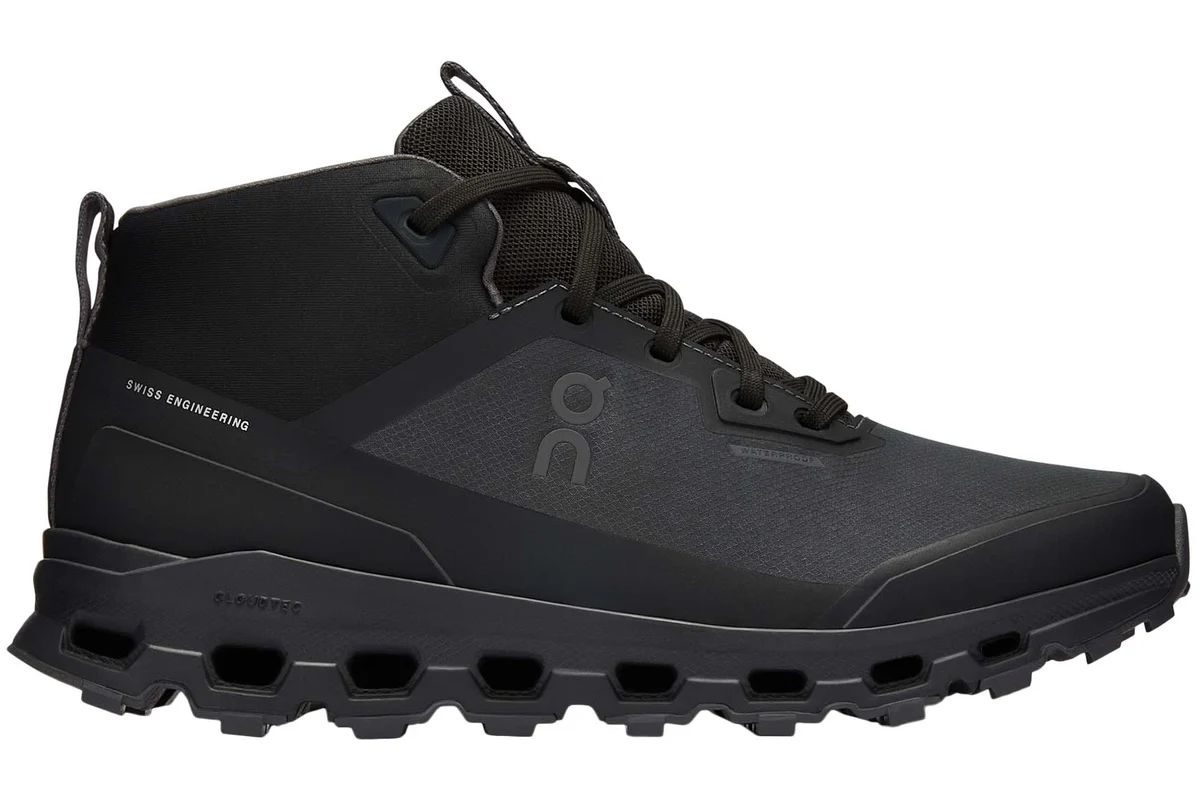
- Ensure the heel is snug to prevent blisters.
- Test for toe space by standing and wiggling your toes.
- Consider trying boots on with your hiking socks for an accurate fit.
Different brands may vary in sizing, so always check the specific size guide for the boots you’re considering. Remember, a well-fitted boot can significantly enhance your hiking experience. For a closer look at fit and compatibility, see water resistant hiking boots womens.
What Good Women’s Cloud Hiking Boots Fit Feels Like: Key Points at a Glance
Use this quick reference to review the main decisions and checks from What Good Women’s Cloud Hiking Boots Fit Feels Like.
| Section Point | Practical Meaning |
|---|---|
| A Proper Fit in Women’s On | A proper fit in women’s on cloud hiking boots is crucial for performance and comfort. Look for boots that securely hug your heel without being too tight, allowing |
| Ensure the Heel Is Snug To | Ensure the heel is snug to prevent blisters. |
| Test for Toe Space by Standing | Test for toe space by standing and wiggling your toes. |
| Consider Trying Boots on with Your | Consider trying boots on with your hiking socks for an accurate fit. |
| Different Brands May Vary in Sizing | Different brands may vary in sizing, so always check the specific size guide for the boots you’re considering. Remember, a well-fitted boot can significantly |
Match Traction and Support to the Terrain
Choosing women’s on cloud hiking boots requires understanding the terrain you’ll be hiking. Boots should offer adequate traction and support tailored to specific conditions, whether rocky trails or muddy paths.
For rocky terrains, look for boots with deep lugs for grip. On softer trails, a more flexible outsole might suffice. Consider stiffer boots for alpine or rugged conditions for better ankle support.
Assessing the terrain helps ensure your boots provide the necessary support, minimizing the risk of injury and enhancing overall comfort. The guide best hiking boots for women 2026 expands on a closely related trail decision.
Use this guide for women’s on cloud hiking boots only after matching it to the activity, conditions, user, and current official information.
Waterproofing, Breathability, and Drying Trade-Offs
When selecting women’s on cloud hiking boots, consider the balance between waterproofing and breathability. Waterproof boots keep your feet dry in wet conditions but may reduce ventilation, leading to sweat buildup.
- Gore-Tex is a popular waterproof material, offering breathability.
- Some boots come with a water-resistant treatment that is less breathable.
- Consider your typical hiking environment when selecting the right level of waterproofing.
Understanding these trade-offs helps you choose boots that best match your hiking conditions, ensuring comfort throughout your adventures. A useful next reference is are walking boots and hiking boots the same.
- Confirm the use case.
- Verify changing facts.
- Keep a safer backup option.
Socks, Swelling, and Downhill Toe Room
Choosing the right socks is essential when wearing women’s on cloud hiking boots. In addition, swelling during hikes can affect fit, making it important to account for this when trying on boots.
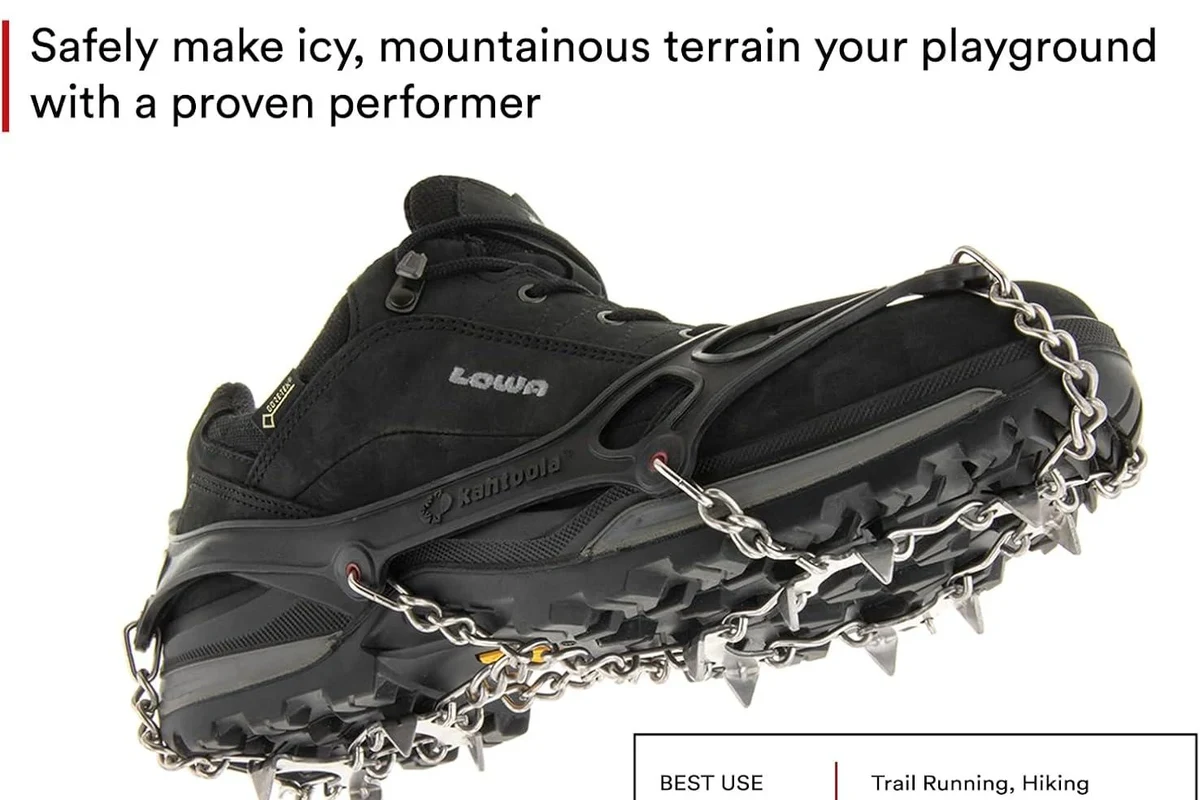
Opt for moisture-wicking socks to prevent blisters. Consider thicker socks if you expect foot swelling. Ensure there’s sufficient toe room, especially for downhill hiking.
Taking these factors into account will help you avoid discomfort or injuries on the trail, allowing for a more enjoyable experience. For closely related guidance, read which hiking boots are actually waterproof.
🥾 Ethan Carter’s Tip: A good outdoor decision leaves room for changing weather, uncertain conditions, and the option to turn back.
Break-In Without Ignoring Pressure Points
Breaking in women’s on cloud hiking boots is essential to prevent discomfort during hikes. Gradually wearing them allows the material to soften and mold to your feet.
- Start with short walks to identify any pressure points.
- Wear them indoors, gradually increasing wear time.
- Consider wearing thicker socks during break-in to simulate hiking conditions.
Paying attention to pressure points during the break-in process can help you avoid blisters and ensure a comfortable fit on the trail. This topic also connects with are trail boots the same as hiking boots.
Care and Replacement Signs
Regular maintenance of women’s on cloud hiking boots extends their lifespan and performance. Clean them after each hike and inspect for signs of wear.
Look for cracked soles or worn-out tread patterns. Inspect stitching for fraying or separation. Replace boots that no longer provide adequate support or waterproofing.
Proper care and timely replacement will keep your boots in top condition, ensuring you’re ready for your next adventure.
Final Thoughts on Choosing Women’s on Cloud Hiking Boots
Selecting the right women’s on cloud hiking boots involves careful consideration of fit, terrain, and materials. By prioritizing comfort and support, you can enjoy your hikes without unnecessary strain.
Remember to assess your typical hiking conditions and invest in a pair that meets your needs, ensuring a positive outdoor experience.
Questions About Women’s Cloud Hiking Boots
Look for comfort, support, traction, and waterproofing tailored to your hiking conditions.
Your heel should be snug, and there should be enough room for your toes to wiggle without feeling cramped.
Clean them after each hike, inspect for wear, and replace them when necessary to ensure longevity.
Opt for moisture-wicking socks to prevent blisters and consider thicker options if you expect foot swelling.
Gradually wear your boots for short periods to help them conform to your feet, and keep an eye out for any pressure points.