

Understanding what to carry on a hike is essential for ensuring safety and enjoyment in the great outdoors. Properly packing for a hike can make the difference between a delightful trek and a challenging experience.
Last updated: October 21, 2026
Packing What to Carry-on a Hike becomes easier when official limits are separated from practical protection and organization advice. This guide organizes those factors into practical checks without repeating the quick answer or relying on unsupported claims.
From essentials like water and navigation tools to comfort items, this guide will help you prepare for your next adventure.
- Hydration is vital: Carry at least two liters of water on day hikes.
- Pack high-energy snacks: Foods like nuts and energy bars are great for quick energy.
- Navigation tools are essential: Always bring a map or GPS device.
- Assess trail difficulty: Adjust your gear based on the trail’s challenge and length.
The Direct Answer About What to Carry on a Hike
When considering what to carry on a hike, focus on essentials that ensure safety, hydration, nutrition, and navigation. Basic items include water, first aid supplies, snacks, appropriate clothing, and a map or GPS device. For closely related guidance, read travel carry on bag for women stylish options.
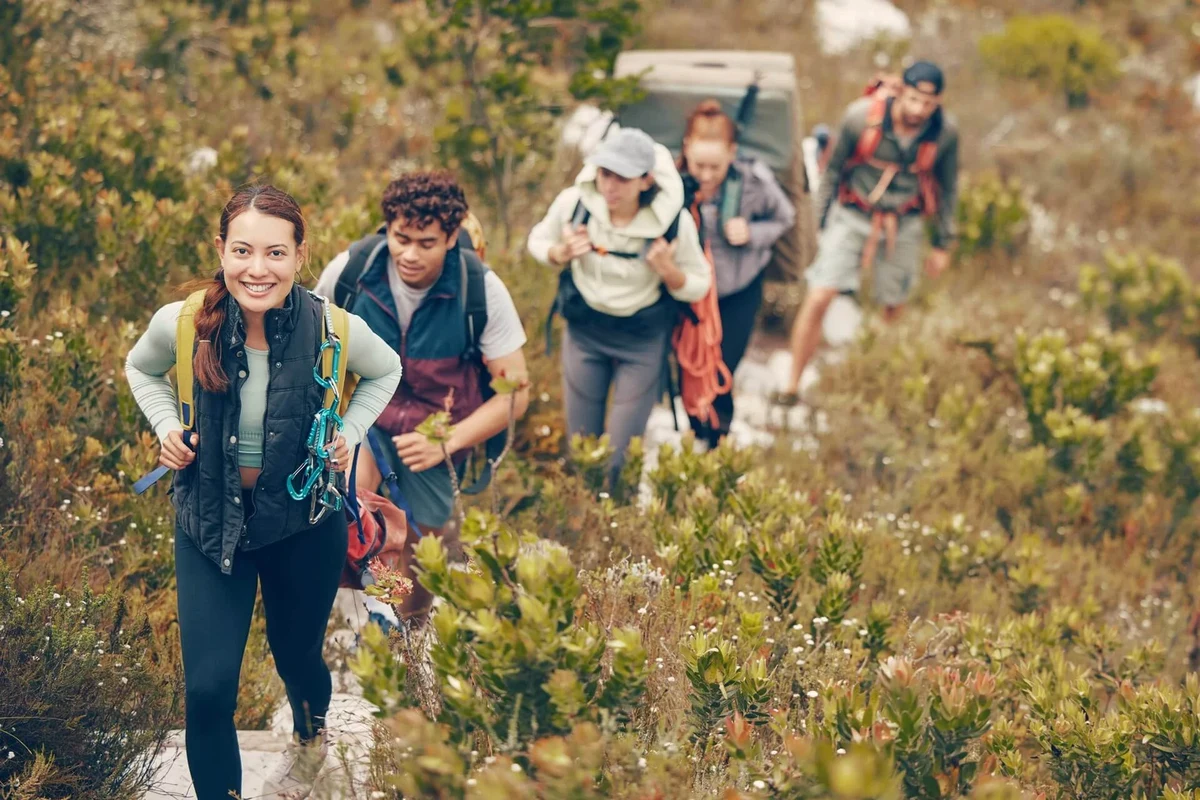
- Water: Stay hydrated with at least two liters for day hikes.
- Food: Pack high-energy snacks like nuts, energy bars, or dried fruit.
- Navigation tools: Carry a map, compass, or GPS device.
- First aid kit: Include band-aids, antiseptic wipes, and any personal medications.
- Clothing: Dress in layers and pack an extra layer for warmth.
The Direct Answer About What to Carry on a Hike: Quick Reference
Use this quick reference to review the main decisions and checks from The Direct Answer About What to Carry on a Hike.
| Rule or Packing Check | Traveler Action |
|---|---|
| When Considering What to Carry On | When considering what to carry on a hike, focus on essentials that ensure safety, hydration, nutrition, and navigation. Basic items include water, first aid |
| Water: Stay Hydrated with at Least | Water: Stay hydrated with at least two liters for day hikes. |
| Food: Pack High-energy Snacks Like Nuts | Food: Pack high-energy snacks like nuts, energy bars, or dried fruit. |
| Navigation Tools: Carry a Map, Compass | Navigation tools: Carry a map, compass, or GPS device. |
| First Aid Kit: Include Band-aids, Antiseptic | First aid kit: Include band-aids, antiseptic wipes, and any personal medications. |
Always verify the current weather and trail conditions before heading out.
How Carry Hike Works in Real Outdoor Use
Knowing what to carry on a hike is about understanding your environment and the duration of your hike. Each hike may require different gear based on distance, terrain, and weather conditions.
For instance, a short, easy trail may not need as extensive a packing list as a challenging, all-day hike through rugged terrain.
Short hikes: Focus on water, snacks, and basic first aid. Medium hikes: Include navigation tools and additional clothing layers. Long hikes: Consider extra food, a more comprehensive first aid kit, and emergency gear. This topic also connects with can you travel with electric toothbrush in carry on safely.
This packing list is ideal for day hikers of all skill levels.
Suitable for various terrains and weather conditions.
Experienced hikers may choose to carry additional gear.
The Factors That Change the Answer
Several factors influence what to carry on a hike, including the trail’s difficulty, weather, and personal needs. Assess each of these elements before finalizing your packing list. A useful next reference is can i travel with cigarettes in my carry on guide.
Weather can change rapidly, so it’s wise to be prepared for unexpected conditions.
- Trail difficulty: Harder trails may require more gear for safety.
- Weather: Rain gear and sun protection are essential for variable conditions.
- Group size: More people may require larger quantities of food and water.
- Plan your hike according to your skill level and fitness.
- Pack lightweight options to reduce fatigue.
- Utilize multi-purpose items to save space.
Practical Checks Before You Act
Before heading out, conduct practical checks to ensure you are fully prepared. This includes verifying your gear, route, and personal capabilities.
Double-check that your gear is in good condition and matches the hike’s demands.
Inspect gear: Make sure everything is functional and clean. Route check: Verify the selected path and any potential hazards. Skill assessment: Know your limits and prepare accordingly. For closely related guidance, read can i travel with a candle in my carry on guide.
Always inform someone of your plans and estimated return time.
Limits, Risks, and Current Facts to Verify
Understanding limits and risks is critical when considering what to carry on a hike. Always verify current trail conditions, potential hazards, and local regulations.

Know your physical limits and carry enough supplies to handle unexpected situations.
- Permits: Check if your hike requires any permits or fees.
- Weather updates: Always check the forecast before leaving.
- Trail conditions: Look for recent reports on trail closures or hazards.
Consult park websites or local ranger stations for the latest updates.
Common Misjudgments in This Situation
<pmany avoidable="" can="" challenges.="" essential="" hikers="" importance="" include="" items.
<precognizing a="" can="" common="" enjoyable="" ensure="" help="" hike.
Overpacking: Carrying unnecessary items can lead to fatigue. Neglecting essentials: Forgetting water or snacks can be dangerous. Assuming all trails are easy: Always assess trail difficulty before packing.
Final Packing Check for What to Carry on a Hike
<pas a="" all="" and="" can="" check="" checklist="" conduct="" confident="" ensure="" feel="" final="" for="" have="" help="" hike,="" items.="" more="" necessary="" p="" packing="" prepare="" ready.
- Water: Enough for the entire hike.
- Snacks: High-energy food to keep you fueled.
- Clothing: Layers for changing weather conditions.
- Navigation tools: Map and compass or GPS device.
- First aid supplies: A simple kit for minor injuries.
With these preparations, you’re set for a safe and enjoyable adventure. Make sure to revisit your packing strategy for each hike, as conditions and personal needs may evolve.
Final Check: What to Carry on a Hike
<pby a="" and="" are="" can="" carry="" ensure="" experience="" gear="" hike,="" in="" is="" key.
<palways adjust="" and="" based="" beauty="" each="" enjoy="" help="" hike.="" list="" of="" on="" outdoors.
Questions About Carry Hike
For a short hike, carry water, snacks, a first aid kit, and appropriate clothing. A map or GPS is also recommended.
It’s advisable to carry at least two liters of water for a day hike to stay hydrated.
Yes, a basic first aid kit is essential for treating minor injuries while hiking.
While it’s possible, carrying a map or GPS device is highly recommended to avoid getting lost.
Essential items include water, high-energy snacks, a first aid kit, proper clothing, and navigation tools like a map or GPS device.