

Yes, knowing what to pack in a hiking day pack is crucial for a successful hike. Essentials include water, snacks, navigation tools, and weather-appropriate clothing.
Last updated: October 21, 2026
Planning a day hike requires careful consideration of what to pack in a hiking day pack. The right gear can make your adventure enjoyable and safe, ensuring you have everything needed for various conditions and challenges.
This guide will cover essential items, safety considerations, and packing tips for different hiking scenarios, helping you to prepare effectively for your outdoor experience.
- Pack for the actual route: Build your what to pack in a hiking day pack list around distance, weather, terrain, water access, and.
- Prioritize essential systems: Cover navigation, hydration, food, weather protection, first aid, and emergency communication first.
- Control pack weight: Avoid duplicate comfort items that add bulk without improving safety or usefulness.
- Recheck before departure: Confirm the forecast, route status, required permits, and item condition before leaving.
What Pack Hiking Day Pack Actually Requires
A well-prepared hiking day pack should include essentials tailored to the hike’s length, terrain, and weather. Start with a lightweight and comfortable pack that fits your body and can carry all necessary items without being cumbersome.
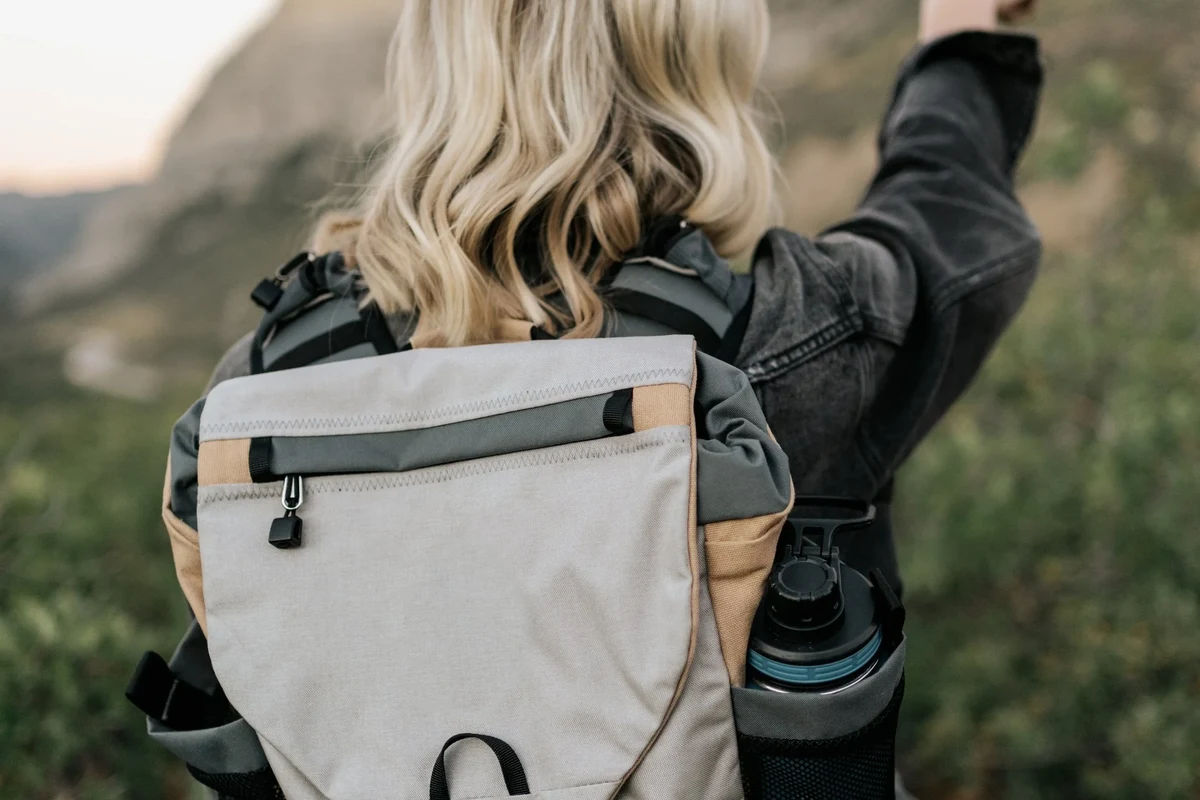
- Comfortable Fit: Choose a pack that fits snugly but allows for movement.
- Capacity: Aim for a 20-30 liter capacity for day hikes.
- Weight Management: Distribute weight evenly to avoid strain.
- Accessibility: Select a pack with easy-to-reach pockets for essentials.
Consider your specific needs based on the day’s plan. For instance, if you’re hiking with family, include extra snacks and possibly a first-aid kit. Each component of your pack should contribute to a successful and enjoyable hike. For closely related guidance, read what to pack in a hiking day pack 3.
What Pack Hiking Day Pack Actually Requires: Planning Summary
Use this quick reference to review the main decisions and checks from What Pack Hiking Day Pack Actually Requires.
| Planning Factor | Why It Matters |
|---|---|
| A Well-prepared Hiking Day Pack Should | A well-prepared hiking day pack should include essentials tailored to the hike’s length, terrain, and weather. Start with a lightweight and comfortable pack that |
| Comfortable Fit: Choose a Pack That | Comfortable Fit: Choose a pack that fits snugly but allows for movement. |
| Capacity: Aim for a 20-30 Liter | Capacity: Aim for a 20-30 liter capacity for day hikes. |
| Weight Management: Distribute Weight Evenly To | Weight Management: Distribute weight evenly to avoid strain. |
| Accessibility: Select a Pack with Easy-to-reach | Accessibility: Select a pack with easy-to-reach pockets for essentials. |
Weather can change rapidly in mountainous areas, so always be prepared for unexpected conditions.
Route Shape, Terrain, and Navigation Demands
Understanding the route’s shape and terrain is crucial for effective packing. Whether it’s a rocky trail or a flat path, each terrain type requires specific gear adjustments to ensure safety and enjoyment.
Familiarize yourself with the trail map and consider using a GPS or compass for navigation. If you’re hiking in a remote area, ensure your pack includes navigation tools and extra batteries for electronic devices. The guide what to pack in a hiking day pack 2 expands on a closely related trail decision.
Distance, Elevation, and Time Margins
The distance and elevation of your hike directly impact what you should pack. Longer trails and higher elevations may require additional gear and supplies.
Calculate your expected hiking time, including breaks, and pack accordingly. A good rule of thumb is to plan for at least 1 liter of water per hour of hiking and enough snacks to maintain energy levels throughout the journey.
Short Hikes: Basic essentials such as water, snacks, and a first-aid kit. Longer Hikes: Add extra food, layers for changing weather, and navigation tools. Elevation Gain: Plan for higher energy expenditure and hydration needs. For related route-planning context, read what to pack for a day hike 2.
Before relying on this guide for what to pack in a hiking day pack, verify access, permits, forecast, daylight, water, and current trail notices.
Season, Forecast, and Exposure
Seasonal changes significantly influence what to pack in a hiking day pack. Always check the weather forecast before heading out and adjust your gear accordingly.
In warmer months, pack light, breathable clothing and ample water. For colder seasons, include layers, gloves, and headwear to stay warm. Additionally, consider sun protection like hats and sunscreen in summer. For closely related guidance, read what to pack for a day hike.
Always consult local sources for the latest trail conditions, permits, and access rules.
Water, Food, and Emergency Communication
Hydration and nutrition are critical components of any hiking day pack. Aim to carry enough water and food to sustain your energy levels throughout the hike.

For hydration, consider using a water bladder or multiple water bottles. Nutrient-dense snacks, such as trail mix or energy bars, are great options to keep you energized without taking up too much space.
- Water: 2 liters minimum; adjust for distance and weather.
- Food: High-energy snacks like nuts or granola bars.
- Emergency Communication: A whistle and a fully charged phone.
Emergency communication devices, such as a whistle or a satellite messenger, can be life-saving in case of an emergency. Always carry a means to communicate your location. This topic also connects with what to pack on day hike.
Review Leave No Trace principles to ensure you are prepared to respect the environment.
Permits, Access, and Current Conditions to Verify
Before setting out, verify if your hiking destination requires permits or has specific access regulations. These can vary by park or forest area.
Check for any trail closures or alerts that may affect your route. Local land managers often provide updates on trail conditions, which can be crucial for safety and planning. A useful next reference is what to take for a day hike.
Hazards That Justify Turning Around
Understanding when to turn back is essential for safety. Be aware of potential hazards like sudden weather changes, difficult terrain, or fatigue.
Trust your instincts; if conditions become dangerous, prioritize safety over reaching the destination. A responsible hiker knows when to abandon the plan for safety.
Weather Changes: Be ready to turn back if storms approach. Fatigue Signs: Know when your energy levels are too low to continue safely. Trail Conditions: Avoid risky terrain that could lead to injury.
Details in what to pack in a hiking day pack can change. Confirm them with the official land manager, current forecast, permit source, and recent closure notices before publishing or acting.
Leave No Trace on This Type of Route
Practicing Leave No Trace principles is vital for preserving the trails and natural areas you visit. Always pack out what you bring in and minimize your impact on the environment.
Stay on designated trails, avoid disturbing wildlife, and respect other hikers. These practices not only protect nature but also enhance the hiking experience for everyone.
Conclusion: Build a Realistic Plan for What to Pack in a Hiking Day Pack
Ultimately, knowing what to pack in a hiking day pack comes down to planning and understanding your specific hike’s requirements. Tailor your pack to the distance, terrain, weather, and personal needs for a successful adventure.
Always prioritize safety, be prepared for emergencies, and respect the natural environment. With the right preparation, your day hike can be both enjoyable and unforgettable.
Questions About Pack Hiking Day Pack
For a short day hike, pack water, snacks, a first-aid kit, a map or GPS, and appropriate clothing for the weather.
Plan to carry at least 2 liters of water, adjusting based on the hike’s distance, elevation, and weather conditions.
High-energy snacks like trail mix, granola bars, or jerky are excellent choices as they provide quick energy without bulk.
Check with local land management agencies or websites to determine if your chosen trail requires a permit.
If weather conditions worsen, prioritize safety by considering turning back or seeking shelter if necessary.