

Yes, roaches can travel from house to house, especially through shared walls, plumbing gaps, vents, luggage, and used furniture. The best way to stop them is to seal entry points, reduce moisture, clean food sources, and act quickly if you see repeated signs.
Yes, roaches can travel from house to house, and they often do it faster than people expect. In travel-heavy places, apartment buildings, cabins, and shared housing, the real issue is usually not one bug moving alone, but a population finding easy routes, food, and hiding spots.
- Travel routes: Roaches often move through walls, pipes, vents, and stored items.
- High-risk settings: Apartments, duplexes, and rentals spread pests faster.
- Early clues: Droppings, egg cases, shed skins, and nighttime sightings matter.
- Best prevention: Seal gaps, fix leaks, and store food in closed containers.
- Fast response: Call a pro if signs keep returning or spread across units.
Can Roaches Travel from House to House? What Actually Happens
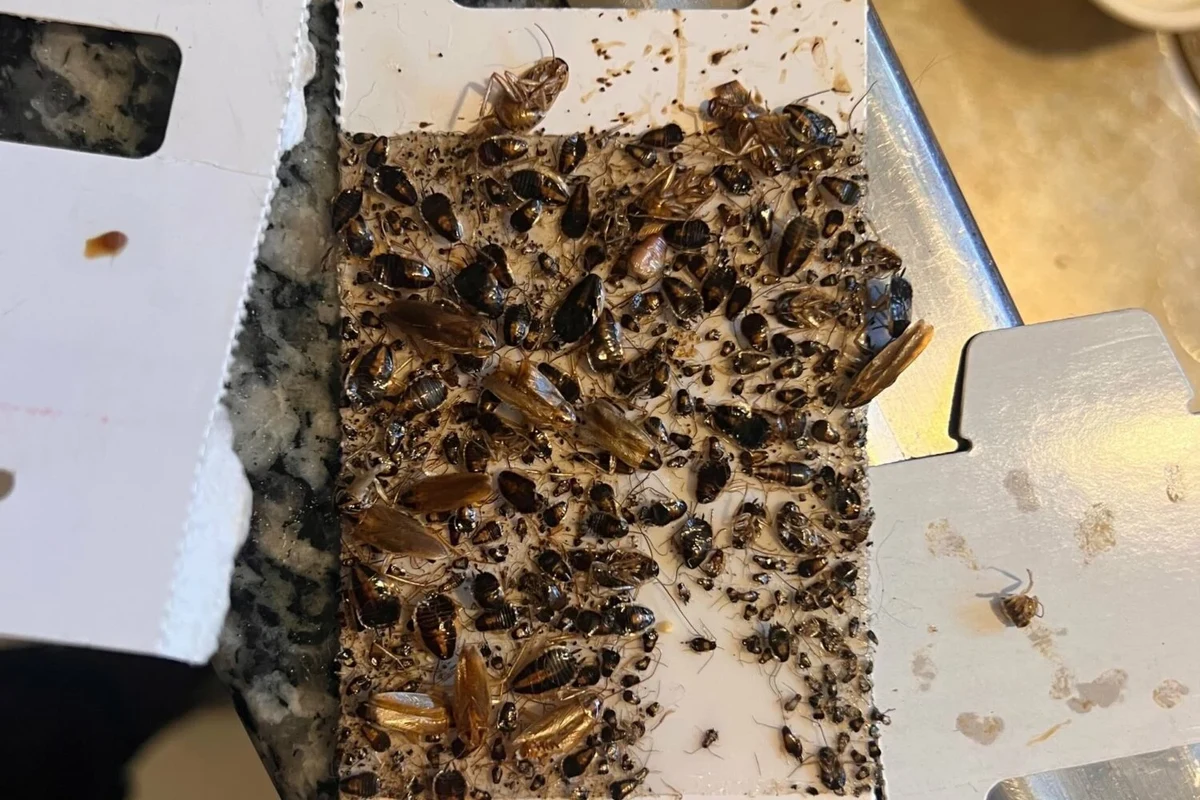
Visual guide: Can Roaches Travel from House to House? What Actually Happens
Roaches do not need to “walk across town” to spread. They can move through walls, pipes, vents, and shared storage areas, then establish themselves in a new unit or nearby home.
That is why a small sighting in one room can sometimes point to a bigger access problem. If you are staying in a rental or packing up after a trip, it helps to think like a pest inspector and check the places you would normally ignore, much like you would when planning things to do in Steamboat Springs around a cabin stay or weekend getaway.
How Roaches Move Between Homes, Apartments, and Nearby Buildings
Roaches are opportunists. They follow warmth, moisture, and shelter, and they use the easiest path available rather than a direct route.
In multi-unit housing, that means one unit’s problem can become another unit’s problem if the building has unsealed gaps or shared utility lines. In vacation rentals and older homes, the same pattern can happen through crawl spaces, baseboards, and storage areas.
Shared walls, plumbing gaps, vents, and utility lines
Shared walls are one of the most common routes. Tiny cracks around pipes, electrical outlets, baseboards, and cabinet cutouts can give roaches a protected corridor between rooms or neighboring units.
Plumbing and vent systems are especially important because they connect spaces that seem separate. A roach does not need a large opening; even small service gaps can be enough for movement and nesting.
Used furniture, boxes, luggage, and delivery packaging
Roaches also travel with people. A secondhand dresser, a stack of cardboard boxes, or luggage stored near an infested area can carry eggs, nymphs, or hidden adults into a clean space.
Delivery packaging can create the same issue if it is left in a garage, mudroom, or storage closet for too long. If you are buying gear for a mountain trip, unpack quickly and recycle cardboard instead of letting it sit indoors.
Why Roaches Spread So Quickly in 2026 Housing and Travel Settings
Roaches spread quickly because modern buildings often give them exactly what they need: steady indoor temperatures, hidden gaps, and easy access to food and moisture. That combination makes them hard to ignore once they get established.
Travel settings can also make spread more likely. People come and go, luggage moves between rooms, and housekeeping or turnover schedules can disturb hiding spots without fully removing the source.
Warmth, moisture, food access, and hiding places
Roaches thrive where kitchens, bathrooms, laundry areas, and utility spaces stay warm and damp. They are especially drawn to crumbs, pet food, grease residue, leaking pipes, and trash bins.
They also like clutter because it gives them shelter. Cardboard, paper bags, stacked storage, and crowded baseboards can all create dark resting places that make a small issue harder to catch early.
In Colorado homes and rentals, dryness helps in some ways, but indoor plumbing leaks, humid bathrooms, and kitchen moisture can still support roaches. The building environment matters more than the weather outside.
Why multi-unit housing and short-term rentals are higher risk
Apartment buildings, duplexes, and condos have shared infrastructure, so one untreated unit can affect several others. Short-term rentals can be vulnerable too, because turnover makes it easier to miss early warning signs.
If you are comparing lodging for a Steamboat trip, the same attention to detail you might use when choosing the best things to do in Steamboat Springs Colorado should apply to where you stay: look for clean common areas, sealed trim, and visible maintenance.
Signs Roaches May Be Moving In from Another Property
When roaches are traveling between properties, the signs can be subtle at first. You may not see a large swarm, but you might notice repeated evidence in the same hidden spots.
Look closely near sinks, behind appliances, under cabinets, and around shared walls. Early detection matters because a building-wide problem is much harder to solve than a local one.
Droppings, egg cases, shed skins, and nighttime sightings
Small dark droppings, pepper-like specks, oval egg cases, and shed skins are common clues. You may also notice a musty odor in enclosed spaces when activity is more advanced.
Nighttime sightings are especially important because roaches are most active after dark. If you turn on a kitchen light and see one quickly scatter, that can be a sign they are already established nearby.
When one roach problem may be a neighborhood or building issue
If roaches keep showing up even after cleaning, sealing, and baiting, the source may be outside your unit. That is common in older buildings, shared housing, and places with connected plumbing or trash areas.
In that case, one tenant’s effort may not be enough. Property managers, neighbors, or adjacent units may need to coordinate treatment so the insects do not keep moving back and forth.
If you find roaches in multiple rooms, or you notice them in shared walls and hallways, treat it as a building issue quickly. Delay gives them more time to spread into storage, cabinets, and neighboring units.
Practical Prevention Steps for Homeowners, Renters, and Travelers
The best prevention is boring but effective: block entry, remove moisture, clean food sources, and inspect anything that enters the home. These habits matter whether you live full-time in a house or stay in rentals during travel.
Think of it as trip prep for your living space. The more you reduce shelter and food access, the less likely roaches are to settle in and spread.
Sealing entry points and reducing moisture
Seal cracks around pipes, baseboards, cabinets, and utility penetrations with appropriate caulk or weatherproofing materials. Add door sweeps where needed, and check screens, vents, and storage-room openings.
Fix leaks quickly, dry sinks and tubs, and keep bathroom and kitchen moisture under control. Roaches can survive in dry climates, but they still need reliable water sources indoors.
When you arrive at a rental or cabin, check under sinks, behind the toilet, and around the dishwasher before unpacking. A two-minute inspection can save you from moving luggage into a problem area.
Cleaning routines, food storage, and trash control
Clean crumbs and grease from counters, stovetops, and appliance edges. Store pantry food in sealed containers and avoid leaving pet food out overnight if you notice pest activity.
Trash should be emptied regularly and kept in bins with tight lids. In shared housing, also watch common areas, laundry rooms, and storage closets, because roaches often feed where people forget to clean.
Inspection tips before unpacking, storing luggage, or buying secondhand items
Before unpacking after a trip, inspect suitcase seams, pockets, and zippers. Put luggage on a hard surface first instead of the bed or carpet, especially if you stayed in a dense lodging area.
For secondhand furniture, look inside drawers, under cushions, and behind backing panels. If you are bringing home boxes or gear from storage, open them outside or in a garage when possible so hidden pests do not get a free ride indoors.
- Under sinks and behind toilets
- Behind refrigerators and stoves
- Along baseboards and cabinet seams
- Inside luggage, boxes, and used furniture
- Near trash cans, pet food, and water leaks
Common Mistakes That Let Roaches Travel Farther
Most roach problems get worse because the early response misses the source. Spraying one visible bug is not the same as stopping the route that brought it in.
That is why prevention should focus on access, moisture, and harborage rather than only on what you can see in the moment.
Relying on sprays alone instead of source control
Sprays can kill visible roaches, but they often do little to stop nesting behind walls or in hidden voids. In some cases, heavy spraying can even push roaches deeper into cracks.
Source control means sealing gaps, removing food and water, and using the right bait or treatment strategy. That approach is slower to set up, but it is far more effective over time.
Ignoring shared spaces, storage rooms, and baseboards
Roaches often live where people rarely look. Shared storage, utility rooms, laundry areas, and baseboards behind furniture are common hiding spots in both homes and rentals.
If those spaces are skipped, the infestation can keep moving through the building even when kitchens look clean. A full inspection should include the “in-between” areas, not just the obvious ones.
Delaying action until the infestation becomes building-wide
Waiting is one of the biggest mistakes. Roaches reproduce quickly, so a minor problem can become a larger one before the first treatment is complete.
In apartments and vacation homes, delay also gives neighboring units more time to get involved. The earlier you act, the easier it is to keep the problem local.
When to Call a Pest Professional and What It May Cost in Time and Money
DIY steps can help with prevention and very small problems, but they are not always enough once roaches start moving through walls or shared spaces. A professional can identify the source, treat hidden areas, and coordinate a broader plan when needed.
For travelers and renters, speed matters because short stays and turnover can make the problem harder to track. For homeowners, the longer roaches spread, the more labor and follow-up may be required.
DIY vs. professional treatment in apartments and vacation homes
DIY treatment may work best for early prevention, single sightings, or minor entry problems. It usually includes sealing, cleaning, baiting, and careful monitoring rather than repeated broad spraying.
Professional treatment is often the better choice when roaches appear in multiple rooms, return after cleaning, or seem connected to neighboring units. In apartments and vacation homes, a pro may also help determine whether the issue is coming from shared walls, drains, or common areas.
Typical response timelines and why fast action matters
Simple prevention steps can start the same day, but results may take time because roaches hide well and reproduce in cycles. Professional inspections and treatments are often scheduled quickly when the issue seems active.
Fast action matters because roaches spread into cabinets, storage, and adjacent units if given time. If you are staying in a rental or shared building, report the problem early so the response can include the right spaces, not just the room where you saw the bug.
If you suspect roaches are moving through a multi-unit building, ask the property manager or a licensed pest professional how treatment will cover neighboring spaces and shared access points.
Final Takeaway: How to Stop Roaches from Spreading House to House
Roaches can absolutely travel from house to house, but they usually do it through hidden routes, shared building systems, and items people bring inside. The fastest way to stop them is to block entry, remove moisture, clean food sources, and inspect anything that moves between spaces.
For homeowners, renters, and travelers, the best defense is early action. If you catch the signs quickly and treat the source instead of just the visible bug, you make it much harder for roaches to spread from one property to the next.
Frequently Asked Questions
Yes, but they usually move through connected spaces like walls, pipes, vents, and utility gaps rather than crossing open distances. They also spread when people bring them in on boxes, luggage, or furniture.
Shared walls, plumbing, and storage areas make it easier for roaches to move between units. Frequent turnover can also hide early warning signs until the problem is larger.
Look for droppings, egg cases, shed skins, and nighttime sightings near sinks, cabinets, and baseboards. Repeated signs in several rooms can point to a shared building issue.
Inspect under sinks, behind toilets, and around kitchen appliances before unpacking luggage. Also check suitcase seams and store bags on hard surfaces first if possible.
Usually not. Sprays may kill visible roaches, but source control, sealing gaps, cleaning, and moisture reduction are what stop them from moving and nesting.
Call a professional if roaches keep returning, appear in multiple rooms, or seem tied to shared walls or neighboring units. Fast help can prevent the issue from becoming building-wide.