

Yes, bed bugs can travel from room to room, especially through cracks, vents, shared walls, and hitchhiking on luggage or clothing. The fastest way to stop them is to contain belongings, inspect carefully, and alert property management or pest control early.
Bed bugs can travel from room to room, but not usually in a dramatic, fast-moving way. They crawl, hide, and hitchhike, which means the real risk is often shared walls, luggage, clothing, and bedding rather than long-distance wandering on their own.
For travelers, that matters in hotels, ski lodges, vacation rentals, and multi-room homes. A small problem in one room can become a bigger one if bags get moved around or if people unpack before checking the space.
- Room spread is real: Bed bugs can move between rooms through gaps and shared spaces.
- Hitchhiking is common: Bags, clothing, and bedding spread them farther than crawling alone.
- Early signs matter: Check mattress seams, baseboards, outlets, and upholstered furniture.
- Contain first: Keep items in one place and avoid moving them around the property.
- Act fast: Report suspected bugs early and use professional help when needed.
Can Bed Bugs Travel From Room to Room? What Travelers and Homeowners Need to Know
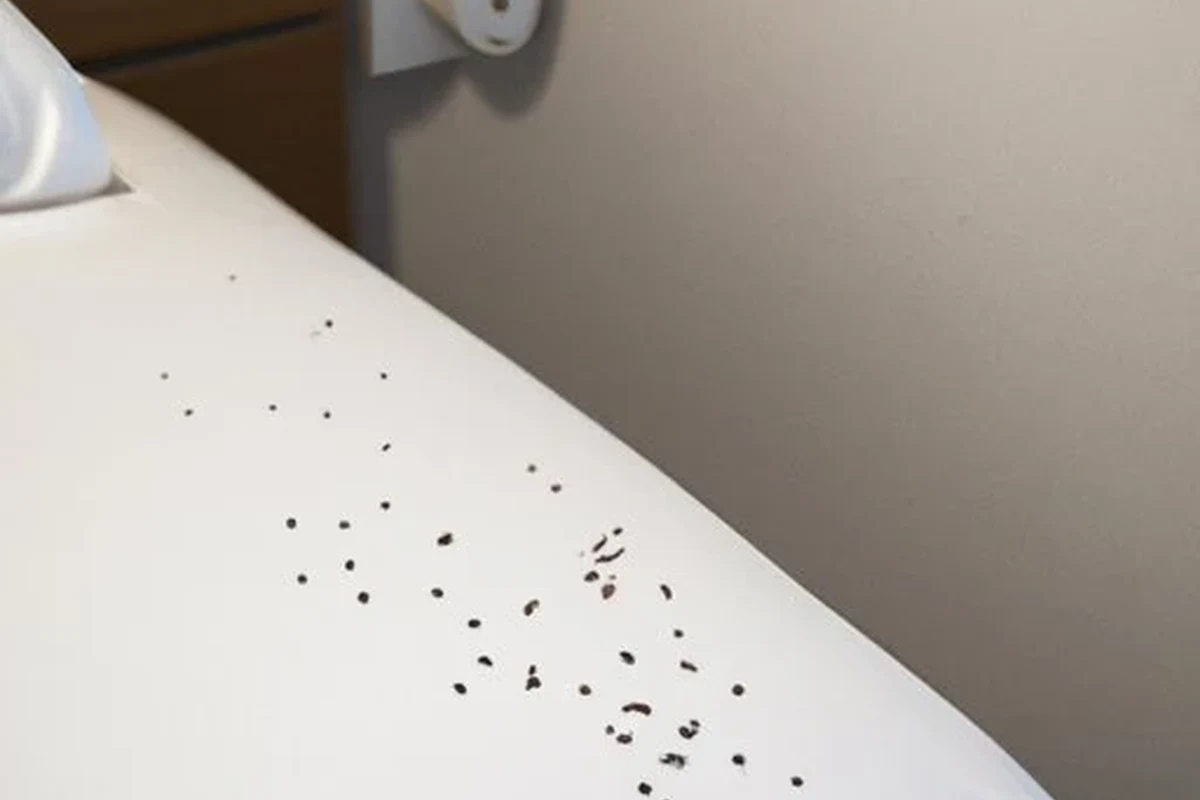
Visual guide: Can Bed Bugs Travel From Room to Room? What Travelers and Homeowners Need to Know
Yes, bed bugs can move from one room to another, especially when rooms are connected by hallways, wall gaps, vents, or shared furniture. They do not need much space to spread, and they can stay hidden for long periods.
That said, they usually do not choose the most direct route the way a mouse or roach might. More often, they spread because people carry them unknowingly from one room to another after sleeping, sitting, or packing in an infested area.
If you are staying somewhere with multiple rooms, think in terms of exposure zones, not just one bed. A couch, chair, luggage rack, or closet can all become part of the problem if bugs or eggs are present.
How Bed Bugs Move: Crawling, Hitchhiking, and Using Shared Spaces
Bed bugs are small, flat, and built for hiding. They crawl well enough to move through cracks and seams, but they are also expert hitchhikers that cling to fabric, seams, and luggage folds.
That combination is why a room-to-room issue can be hard to spot early. A traveler may only notice bites after moving to another room, while the bugs themselves may already be tucked into a backpack or coat.
Movement through hallways, walls, vents, and adjoining rooms
In hotels and apartment-style stays, bed bugs can move through wall voids, electrical outlets, baseboards, and gaps around pipes. Adjoining rooms are a bigger concern because the bugs have shorter distances to cross and more hiding places to use.
Hallways can also play a role when bugs are carried out in bags, laundry, or furniture. In larger properties, a problem that starts in one unit may show up later in another if the infestation is not contained quickly.
For travelers planning a mountain getaway, the room layout matters almost as much as the destination. A cabin near the slopes or one of the things to do in Steamboat Springs can feel private, but shared walls and guest turnover still create spread risk.
How luggage, clothing, bedding, and furniture help them spread
Luggage is one of the most common ways bed bugs move from room to room and from property to property. They can hide in seams, zipper tracks, folded clothing, and even in the fabric backing of bags.
Clothing and bedding also help them spread if items are placed on beds, carpets, or upholstered chairs in an infested room. Furniture is another major risk, especially when secondhand items are moved without a careful inspection.
For a practical packing mindset, it helps to treat your suitcase like a sealed container until you know the room is clear. That habit is useful whether you are in a downtown hotel or a rental after a day exploring the best things to do in Steamboat Springs Colorado.
How Far Bed Bugs Can Travel in a Day, a Week, and Over Time
Bed bugs can crawl several feet in a night and move farther over time if they are searching for a host or a new hiding place. Their daily range is limited compared with many pests, but their spread becomes a bigger issue when people unknowingly transport them.
In plain terms, “how far” is less about a single sprint and more about repeated movement. A bug may only crawl a short distance on its own, but a suitcase or laundry basket can carry it across an entire property.
Typical crawling range versus long-distance spread by humans
On their own, bed bugs usually stay close to where people sleep or rest. They prefer seams, edges, and cracks near a host, because that gives them quick access to feed and quick cover afterward.
Long-distance spread happens when humans move them. That can mean taking bags to a new room, moving blankets to a laundry area, or bringing home an infested item after a trip.
Why “how far” matters more in hotels, rentals, and multi-room homes
In hotels, one room can influence the next room if the infestation is not caught early. In rentals and multi-room homes, the problem is even trickier because family members may keep moving through the space without realizing where the bugs are hiding.
That is why room-to-room distance matters less than contact points. A bed, sofa, suitcase, or shared laundry pile can create a spread path even when the rooms themselves are not directly connected.
Bed bugs are not a sign of poor housekeeping alone. They can show up in clean, well-kept lodging if an infested guest, bag, or item brings them in.
Signs Bed Bugs May Have Moved Into Another Room
When bed bugs spread, they often leave small clues before the problem becomes obvious. The earlier you spot those signs, the easier it is to keep the issue from reaching more rooms.
Look carefully around sleeping areas first, then check nearby furniture and wall edges. Bed bugs like to stay close to where people rest, so the first evidence is often subtle.
Common clues on mattresses, baseboards, outlets, and upholstered furniture
Typical signs include tiny dark spots, shed skins, pale eggs, and live bugs around mattress seams or box springs. You may also find marks along baseboards, behind headboards, near electrical outlets, or in the folds of upholstered chairs.
Another clue is a pattern of bites after sleeping in a particular room, though bites alone do not confirm bed bugs. It is better to combine that symptom with physical evidence from the room itself.
If you are checking a room at night, use a flashlight and avoid moving objects from one room to another until you know where the bugs are hiding.
Practical examples from hotel stays, vacation homes, and guest rooms
In a hotel, a traveler may notice small stains on sheets after the first night and then later find bugs near the luggage rack. In a vacation home, the first sign may be on a guest-room mattress, followed by evidence in a nearby sofa or hallway chair.
In a family home, a guest room can be the starting point, but bugs may later show up in a parent’s bedroom or on a couch where someone sat with a blanket. That is why it helps to inspect more than the obvious sleeping area.
What to Do Right Away If You Suspect Bed Bugs in One Room
Act quickly, but stay calm. The goal is to contain the problem, not spread it by moving items around in a panic.
Start by limiting traffic in and out of the room. The fewer items that leave the space before inspection, the lower the chance of carrying bugs into another room.
Containment steps to reduce spreading them to other rooms
Keep luggage, clothing, and personal items in one controlled area. If possible, place bags in a tub, on a hard surface, or in sealed liners rather than on beds or carpets.
Do not carry loose blankets, pillows, or laundry through the house until you know whether they are contaminated. If you need to move anything, seal it first so bugs do not drop off along the way.
Leave bags closed and keep items in one room until you inspect the area.
Check mattress seams, bed frames, baseboards, and upholstered furniture with a flashlight.
Safe inspection and cleaning actions for travelers and families
Use a flashlight and a credit-card-sized tool or similar edge to inspect seams and cracks. Vacuuming can help remove visible bugs and debris, but the vacuum bag or contents should be handled carefully so pests do not escape.
Heat is often more effective than casual spraying for fabrics, but follow care labels and property rules. If you are on a trip, ask the host or front desk what they recommend before washing or drying items.
If you suspect a larger infestation in a rental, lodge, or home, contact property management or a licensed pest control professional before moving furniture or belongings again.
Common Mistakes That Help Bed Bugs Spread Faster
Most bed bug spread gets worse because people try to solve the problem too quickly. The wrong move can turn one room into several rooms in just a short time.
That is especially true in travel settings, where people are tired, packing fast, and eager to keep the trip going. A calm, simple response usually works better than a big cleanup rush.
Moving bags between rooms, stripping beds, and using the wrong cleaning approach
One common mistake is carrying luggage from the suspected room into a hallway, guest room, or vehicle before checking it. Another is stripping the bed and shaking linens around, which can drop bugs and eggs into new areas.
Using the wrong cleaning approach can also spread the issue. Pushing items from room to room for sorting, or piling laundry in shared spaces, gives bugs more chances to move.
Why DIY spraying and panic relocation can make the problem worse
Store-bought sprays may kill some exposed bugs, but they rarely solve an infestation on their own. In some cases, spraying causes bugs to scatter deeper into walls, furniture, or adjacent rooms.
Panic relocation is another problem. If you move sleeping gear, pillows, or bags to a different room without sealing them first, you may create a second infestation before you even confirm the first one.
- Contain items in one place
- Inspect before unpacking
- Use heat or professional treatment when needed
- Do not shake bedding through the house
- Do not move bags room to room
- Do not rely on one quick spray
Travel Safety and Local Caution: Hotels, Ski Lodges, Rentals, and Colorado Stays
Room-to-room risk is especially important in shared lodging, where guests come and go often. Hotels, ski lodges, cabins, and rentals can all have the same basic issue: many people, many bags, and limited time to inspect every corner.
In mountain towns, the pace of check-ins and check-outs can make it easy to miss early warning signs. If you are planning a cold-weather stay, it helps to think about bed bug prevention the same way you think about weather prep: small habits can prevent a bigger disruption later.
Room-to-room risk in shared lodging and mountain-town properties
Shared walls, laundry rooms, and housekeeping carts can all contribute to spread if an infestation is already present. That does not mean every lodge or rental is high risk, only that the setting makes quick containment more important.
Travelers heading out for winter sports or a cabin weekend should inspect beds and seating before settling in. If you are focused on outdoor plans, it is easy to skip this step, but a two-minute check can save a lot of hassle later.
Keep your suitcase off beds and carpet. A hard luggage rack or a bare floor spot near the door is usually easier to inspect and clean.
When to alert property management and when to call pest control
Alert property management as soon as you have reasonable evidence, especially in hotels or rentals where other rooms may be affected. Good managers usually want the problem reported early so they can inspect adjacent rooms and protect other guests.
For homes, apartments, or larger infestations, call a licensed pest control professional. If you are staying near Steamboat and want a broader travel plan after dealing with a room issue, you can still focus on the trip itself once the problem is contained and the property has been checked by the right people.
Check room conditions, weather, and local advisories before heading out for the day, especially in mountain areas where plans can change quickly.
Prevention, Treatment Costs, and the Final Takeaway on Room-to-Room Travel
Prevention is usually far less disruptive than treatment. Simple habits like checking seams, keeping bags closed, and avoiding room-to-room moving can reduce the odds of a bigger infestation.
Costs vary, but prevention usually means little more than a few minutes of inspection and careful packing. Full treatment, on the other hand, may involve professional service, repeated visits, laundry, and replacing infested items.
What prevention usually costs compared with full treatment
Basic prevention may cost almost nothing if you already have a flashlight, sealable bags, and a habit of checking hotel beds. Some travelers also use protective luggage liners or encasements, which can add a small upfront cost.
Full treatment is much more expensive because it may require professional inspection, heat or chemical treatment, and time away from the room. The exact cost can vary by property size, infestation level, and local service pricing.
Recap: how far bed bugs travel, how they spread, and the fastest way to stop them
Bed bugs can travel from room to room, but usually by crawling short distances or hitchhiking on people and belongings. Their real reach is often much farther than their legs alone would suggest.
The fastest way to stop them is to contain items, inspect carefully, avoid spreading belongings, and bring in property management or pest control when needed. In travel settings, that approach protects both your trip and the next room over.
Frequently Asked Questions
Yes. They can crawl through gaps, shared walls, and vents, or hitchhike on luggage and clothing. That makes hotels, rentals, and guest rooms common places for room-to-room spread.
They usually move only short distances on their own, often staying close to where people sleep. Over time, though, they can spread farther if they are carried by humans or moved with furniture and laundry.
Keep bags and belongings contained, stop moving items around, and inspect nearby sleeping and seating areas. If you are in a hotel or rental, tell property management right away.
A flashlight, sealable bags, and a hard luggage rack can help with inspection and containment. Some travelers also use luggage liners or encasements, but careful packing habits matter most.
Call a licensed pest control professional if you suspect an infestation in a home, apartment, or larger rental. Professional help is also wise when bugs seem to have reached more than one room.
They can appear any time of year, but guest turnover and frequent travel can increase spread risk. Busy hotel stays, ski lodges, and vacation rentals deserve extra inspection before unpacking.