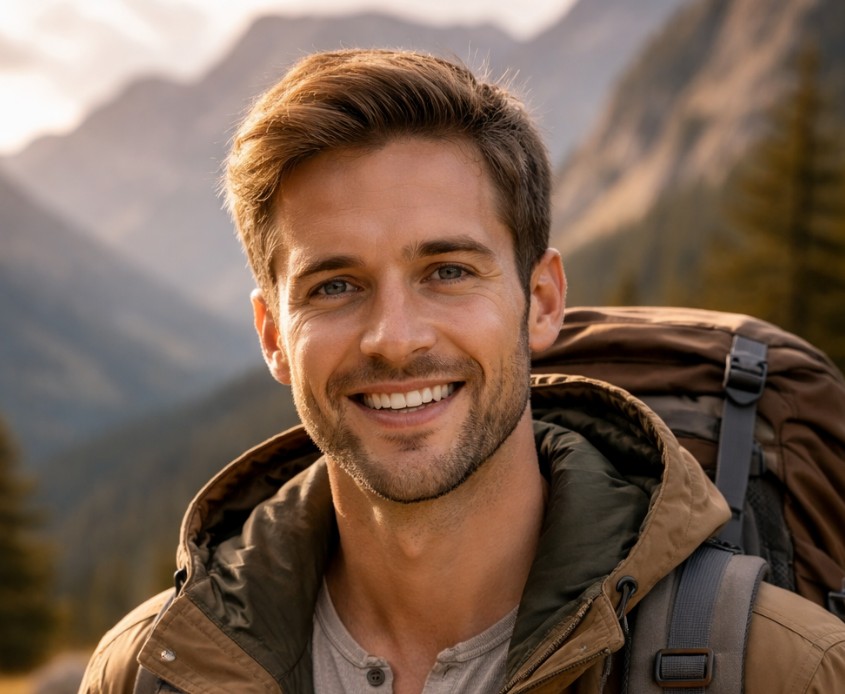
Wear lightweight, moisture-wicking, quick-drying clothes, supportive hiking shoes, and sun protection like a hat, sunglasses, and UPF layers. For Colorado summer hikes, add a light layer for cooler starts and changing mountain weather.
Summer hiking in Colorado can be beautiful, but it also asks a lot from your clothing. The right outfit helps you stay cooler, avoid chafing, block the sun, and handle changing mountain weather without overpacking.
If you are planning a Steamboat Springs trail day, a ranch getaway walk, or a longer backcountry outing, this guide breaks down exactly what to wear hiking in summer so you can dress for comfort and safety without making gear more complicated than it needs to be.
- Choose fabrics wisely: Skip cotton and pick quick-drying materials.
- Protect from sun: Use UPF layers, a hat, and sunglasses.
- Prioritize feet: Good socks and traction matter most on trail.
- Dress for change: Bring a light layer for mornings and storms.
What to Wear Hiking in Summer: Matching Clothing to Heat, Sun, and Trail Conditions
Search intent: quick, practical guidance for choosing summer hiking clothes that keep you cool, protected, and comfortable
The best summer hiking outfit depends on where you are going, how long you will be out, and how exposed the trail is. A shaded forest path near Steamboat does not call for the same clothing as a sunny ridge hike or a high-elevation route with strong UV.
In general, summer hiking clothes should help sweat move away from your skin, allow airflow, and dry quickly if weather changes. That means lighter fabrics, smart layering, and fewer cotton-heavy pieces.
A good rule is to dress for the trail, not for the parking lot. If you expect long sun exposure, steady climbing, or cooler mornings, build your outfit around protection and flexibility instead of just temperature at the trailhead.
Summer Hiking Clothing Basics: The Best Fabrics, Fits, and Layers
Why lightweight, moisture-wicking, and quick-drying materials outperform cotton
Cotton feels comfortable at home, but it is usually a poor choice for summer hiking. Once it gets wet with sweat or rain, it holds moisture, dries slowly, and can leave you feeling clammy or chilled later in the day.
Better options include synthetic blends, merino wool, and other moisture-wicking fabrics designed to move sweat away from the skin. These materials are especially useful on climbs, family hikes, and any route where you may stop and start often.
Quick-drying fabrics also matter if you cross streams, get caught in a brief storm, or sweat heavily on exposed sections. That extra drying speed can make the rest of the hike much more comfortable.
How fit affects airflow, chafing, and range of motion on longer hikes
Fit matters as much as fabric. Clothing that is too tight can trap heat, limit movement, and cause rubbing under the arms, at the waist, or along the thighs.
Clothing that is too loose can also be a problem if it catches on branches, shifts under a pack, or creates annoying friction. A relaxed but not baggy fit usually works best for most summer hikers.
Look for pieces that let air circulate while still moving with your body. On longer hikes, that balance helps with comfort, reduces hot spots, and keeps your focus on the trail instead of your outfit.
Head-to-Toe Summer Hiking Outfit Breakdown
Shirts: short-sleeve, long-sleeve, and sun shirts for different trail conditions
Short-sleeve shirts are a simple choice for lower-exposure hikes, but they leave more skin open to sun and brush. They can work well on short, shaded outings or when you know you will be in and out of the trees.
Long-sleeve sun shirts are often the most versatile summer hiking option. They provide more coverage, can feel cooler than expected if they are lightweight, and help reduce the need for constant sunscreen reapplication.
For exposed trails, high UV, or long days in the mountains, a breathable sun shirt is often the safest and most practical choice. If you run warm, look for vent panels, lighter colors, and a roomy fit that still layers well under a pack.
Bottoms: hiking shorts, convertible pants, and lightweight trail pants
Hiking shorts are popular for warm weather because they keep weight down and improve airflow. They work well on easy-to-moderate trails, especially when temperatures are high and brush is minimal.
Convertible pants can be useful if you start early or expect changing conditions. They are not for everyone, but they can offer flexibility on mountain routes where the weather shifts during the day.
Lightweight trail pants are often underrated in summer. They can protect against sun, scratches, and wind while still staying cooler than many people expect, especially on breezy ridgelines or in higher elevations.
Socks and underwear: small gear choices that prevent blisters and overheating
Socks may be the most important small item in your summer hiking outfit. Thin-to-medium hiking socks made from merino wool or synthetic blends usually manage moisture better than cotton and help reduce blister risk.
Choose socks that match your footwear and the length of your hike. Too-thick socks in hot weather can trap heat, while socks that are too thin may not provide enough cushion for longer days.
For underwear, look for breathable, quick-drying options that reduce friction. Seam placement and fit matter more than style here, especially on longer hikes or warm-weather trips with steady elevation gain.
Footwear: trail runners vs. hiking shoes in hot-weather terrain
Trail runners are a strong choice for many summer hikes because they are lighter, cooler, and often dry faster than traditional boots. They can be especially appealing on maintained trails and day hikes where you want less bulk.
Hiking shoes offer a bit more structure and protection, which can be helpful on rocky, uneven, or root-filled terrain. They may also feel better if you prefer a firmer platform under a daypack.
The best choice depends on your route, pack weight, and comfort level. If you are planning a Steamboat-area hike with mixed terrain, traction and fit matter more than whether the shoe is labeled a boot, shoe, or runner.
Accessories: hats, sunglasses, neck gaiters, and lightweight gloves
A wide-brim hat or cap with good sun coverage can make a big difference on open trails. Pair it with sunglasses that block UV and fit securely enough for hiking movement.
Neck gaiters are useful for sun protection, dust, and light wind. They can also help on exposed climbs where your neck and lower face get more direct sun than you expect.
Lightweight gloves are less common in summer, but they can be helpful if you use trekking poles, expect scrambling, or want extra sun protection on long exposed routes.
If you are packing for a Steamboat trail day, choose one sun-protective layer you can keep on most of the hike. It is often easier than stopping repeatedly to reapply sunscreen on exposed sections.
How to Dress for Different Summer Hiking Scenarios
Hot, dry midday hikes vs. cool early-morning starts
Midday hikes call for maximum ventilation, sun protection, and hydration support. Light colors, breathable fabrics, and a sun shirt often work better than a bare-armed outfit alone.
Early-morning starts are different. Even in summer, mountain air can feel cool before the sun climbs higher, so a light layer that you can remove later is often smart.
If your hike begins in cool shade and ends in hot sun, dress in layers you can adjust easily. That approach keeps you from starting too cold or ending up overheated halfway through the climb.
Shaded forest trails, exposed ridge walks, and high-elevation routes
Shaded forest trails usually allow a little more flexibility. You may be comfortable in a short-sleeve shirt and shorts if the route is short and the weather is stable.
Exposed ridge walks are a different story. Sun shirts, hats, sunglasses, and light pants can be worth the extra coverage because the direct sun and wind can wear you down faster than expected.
High-elevation routes often bring stronger UV and cooler temperatures, even in midsummer. In those settings, it helps to think beyond air temperature and dress for sun intensity and sudden weather changes.
What to wear for family hikes, fast day hikes, and longer backcountry outings
Family hikes usually call for comfort first: easy-moving clothes, supportive shoes, and sun protection that does not require constant adjustment. Kids and adults both benefit from simple, low-fuss clothing choices.
Fast day hikes are about efficiency. Lightweight layers, trail runners, and minimal bulk can help you move comfortably without sacrificing protection.
Longer backcountry outings need more planning. Even if the day starts warm, bring clothing that can handle wind, shade, and a possible temperature drop later on. The farther you go, the more useful versatility becomes.
Colorado’s high elevation can increase sun exposure even when the air feels mild, so summer hikers often need more sun protection than they expect.
Sun, Heat, and Altitude Safety: What Summer Hikers Should Not Ignore
Why UPF clothing matters on Colorado trails and other high-UV environments
UPF clothing can be a smart upgrade for summer hiking because it adds a reliable layer of sun protection that does not wash off or sweat away like sunscreen can. That is especially useful on long, exposed hikes.
On Colorado trails, where elevation can increase UV intensity, UPF shirts, pants, and hats can reduce the amount of skin you need to keep re-covering. They are not a replacement for sunscreen, but they are a very practical backup.
If you spend a lot of time outdoors in Steamboat Springs or on other mountain routes, UPF gear can make summer hiking simpler and more comfortable over time.
Preventing heat exhaustion with ventilation, hydration, and smart layering
Clothing helps with heat safety, but it is only one part of the picture. Ventilated fabrics, a breathable hat, and layers you can remove before you overheat all support better temperature control.
Hydration matters just as much. Bring more water than you think you will need, especially on sunny, dry, or steep trails, and consider electrolytes for longer outings if appropriate for your personal needs.
If you start feeling dizzy, unusually tired, nauseated, or chilled despite the heat, stop and reassess. Those can be signs that you need shade, water, rest, or a shorter route.
Check trail conditions, weather forecasts, and local advisories before heading out.
Local caution for Steamboat-area summer hiking: sudden storms, intense sun, and cooler mountain temperatures
Steamboat-area summer hiking can feel calm at the trailhead and very different an hour later. Afternoon storms, stronger sun at elevation, and cooler temperatures in shaded or higher sections can all change the plan quickly.
That is why a light layer and a weather-aware approach make sense even on warm days. If you are heading into the mountains, pack for the conditions you may meet on the way back, not just the conditions at the start.
Mountain weather can shift fastA small layer can make a big difference on exposed Colorado trails
If you are unsure about current trail conditions, water crossings, or storm patterns, check with local rangers or official sources before leaving town.
Common Summer Hiking Clothing Mistakes to Avoid
Wearing cotton, dark colors, or heavy fabrics in hot weather
Cotton is the most common mistake, but dark colors and heavy fabrics can also make hot-weather hiking less comfortable. They may hold more heat and reduce the cooling effect of airflow.
That does not mean you must wear all white or only technical gear. It simply means choosing lighter, quicker-drying clothing usually improves comfort on summer trails.
Choosing style over function: poor shoe traction, bad sock choices, and too-tight clothing
Summer hiking outfits should work on the trail first. A cute shirt or casual sneaker is not worth much if your feet slip, your socks blister, or your clothing rubs after the first mile.
Poor sock choices can be especially frustrating on warm hikes because sweat and friction build quickly. The same goes for shoes with weak traction on dusty or rocky paths.
Too-tight clothing can also create problems, especially under a pack or during climbs. If you cannot move freely, your outfit is making the hike harder than it needs to be.
Overpacking backup layers or underdressing for changing mountain conditions
Some hikers bring too much clothing and end up carrying extra weight they never use. Others underdress for mountain conditions and wish they had packed one more layer when the wind picks up.
The goal is balance: one protective layer, one weather-ready backup, and the right basics for the day’s route. That usually covers most summer hikes without overloading your pack.
If you are planning a longer outing near Steamboat, a little extra preparation is worth it. The mountains reward practical packing more than trendy packing.
Budget, Value, and Gear Priorities for 2026 Hikers
What to spend more on: footwear, socks, and sun-protective layers
If you are building a summer hiking wardrobe on a budget, start with the items that affect comfort and safety the most. Footwear, socks, and sun-protective layers usually deserve the biggest share of your spending.
Good shoes can improve traction and reduce foot fatigue. Quality socks can prevent blisters. A reliable sun shirt or hat can make long summer days much easier to handle.
Where to save: budget-friendly shirts, shorts, and accessories that still perform well
You do not need the most expensive shirt or shorts to hike comfortably. Many budget-friendly synthetic pieces perform well if they are lightweight, breathable, and quick-drying.
Accessories are another place to save. A simple cap, basic sunglasses, or a low-cost neck gaiter can still do the job if the fit is good and the materials are suitable for outdoor use.
When shopping, focus on function first and brand second. For many hikers, the best value comes from buying a few dependable pieces instead of a full matching set.
Cost comparison: buying a full summer hiking kit vs. upgrading only the essentials
Buying a full kit at once can be convenient, but it is not always necessary. If you already own a decent shirt or shorts, upgrading only the essentials may be the smarter move.
For example, better shoes, better socks, and a better sun layer can make a bigger difference than replacing every item in your closet. That approach is often easier on the budget and more practical for casual hikers.
If you are planning a Colorado trip with a mix of hiking and sightseeing, you may also find that one good outfit works across several Steamboat Springs activities without needing a separate wardrobe for every outing.
Final Recap: The Best Summer Hiking Outfit Formula for Comfort and Safety
Simple checklist of what to wear hiking in summer before hitting the trail
A reliable summer hiking outfit is usually simple: a moisture-wicking shirt, breathable bottoms, hiking socks, supportive shoes, sun protection, and one light layer for changing conditions.
Before you head out, check your route, the weather, and how much sun exposure you will get. If the trail is higher, more open, or more remote, add more protection and a little more flexibility to your clothing plan.
Quick summary of the most important clothing choices for heat, sun protection, and trail performance
If you remember only a few things, make them these: avoid cotton, choose quick-drying fabrics, protect your skin from UV, and wear shoes and socks that match the trail. Those choices do the most work with the least effort.
For GhostRanch Steamboat readers, the best summer hiking outfit is the one that keeps you cool in town, protected on the trail, and ready for Colorado’s fast-changing mountain conditions.
For more ideas on planning a mountain day, you can also browse our guide to the best things to do in Steamboat Springs Colorado before you build out your trip.
Frequently Asked Questions
A moisture-wicking shirt, breathable bottoms, hiking socks, supportive shoes, and sun protection are the best basics. Add a light layer if you expect early starts, shade, or cooler mountain weather.
Shorts work well on hot, low-exposure trails, while lightweight pants are better for sun, brush, and higher routes. Many hikers choose pants or a sun shirt when UV is strong.
Yes, trail runners are a popular choice for many summer hikes because they are light and breathable. Just make sure they have enough traction and support for your terrain.
Bring more water than you think you need, wear sun protection, and start at a pace that feels easy. If you are unsure about conditions, check with local rangers or official sources before going.
Look for quick-drying fabrics, comfortable fit, good ventilation, and reliable sun protection. Footwear and socks are especially important because they affect traction, blisters, and overall comfort.
You do not need a special outfit, but mountain conditions can change fast, so smart layers help. A sun shirt, hat, and light backup layer are useful for exposed trails and cooler starts.