

Yes, knowing what to bring on a hiking trip is crucial for safety and enjoyment. Essential items include water, food, navigation tools, and appropriate clothing.
Last updated: October 21, 2026
Planning a hiking trip can be thrilling yet daunting, especially when considering what to bring on a hiking trip. The right gear can enhance your experience, ensuring safety and comfort while exploring the great outdoors.
From essential clothing to safety equipment, this guide covers everything you need to pack for a memorable hiking adventure.
- Verify the exact route: Confirm the official route, access, and current notices before acting on what to bring on a hiking trip.
- Conditions change difficulty: Weather, water, exposure, footing, and daylight can change the plan quickly.
- Navigation needs a backup: Carry an offline or physical backup and know the turnaround points before starting.
- Protect the return margin: Turn around before water, daylight, weather, or group condition becomes unsafe.
What Bring Hiking Trip Actually Requires
When determining what to bring on a hiking trip, consider the trail length, difficulty, and weather conditions. Essential gear typically includes a reliable backpack, water, food, appropriate clothing, and navigation tools.
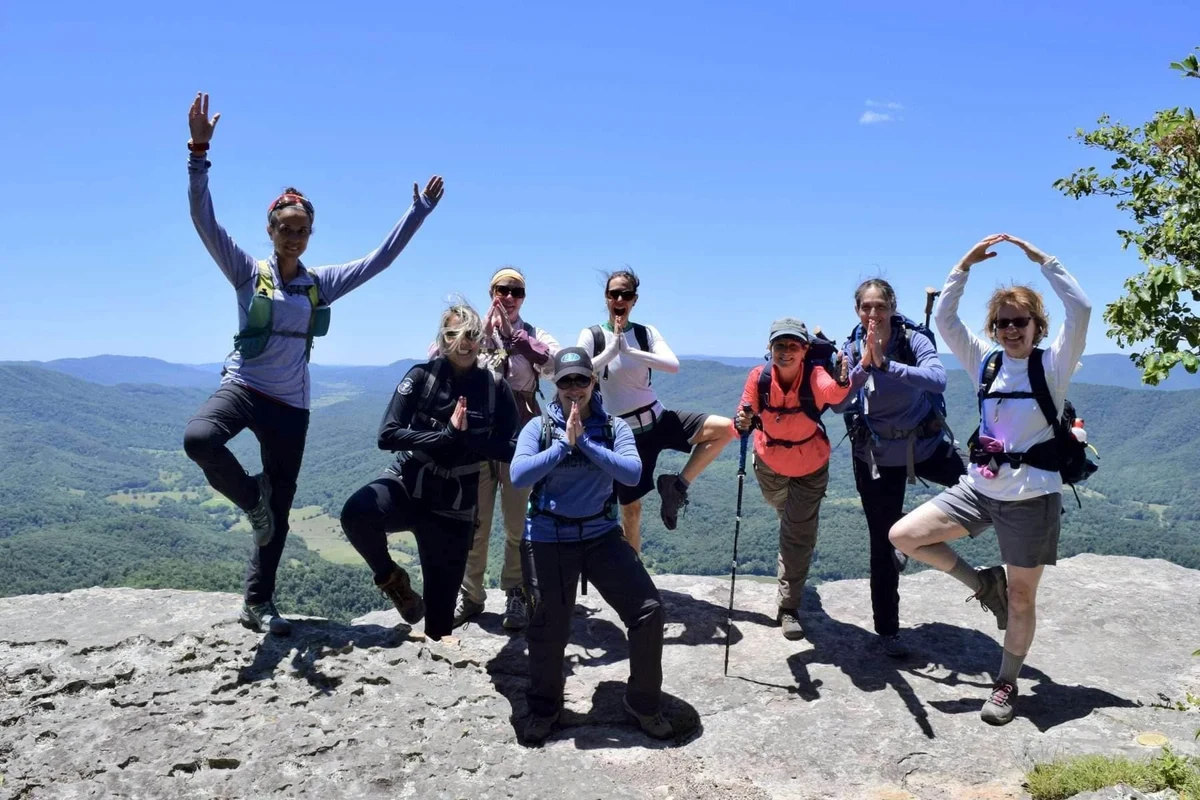
- Backpack: Invest in a comfortable, well-fitted backpack for easy carrying.
- Hydration: Carry enough water—about two liters for a day hike.
- Food: Pack energy-rich snacks like nuts, energy bars, and fruit.
Also, don’t forget safety items such as a first aid kit, a whistle, and a multi-tool. These essentials ensure you’re prepared for various situations that may arise. For closely related guidance, read what to bring on a day hike.
What Bring Hiking Trip Actually Requires: Planning Summary
Use this quick reference to review the main decisions and checks from What Bring Hiking Trip Actually Requires.
| Planning Factor | Why It Matters |
|---|---|
| When Determining What to Bring On | When determining what to bring on a hiking trip, consider the trail length, difficulty, and weather conditions. Essential gear typically includes a reliable |
| Backpack: Invest in a Comfortable, Well-fitted | Backpack: Invest in a comfortable, well-fitted backpack for easy carrying. |
| Hydration: Carry Enough Water—about Two Liters | Hydration: Carry enough water—about two liters for a day hike. |
| Food: Pack Energy-rich Snacks Like Nuts | Food: Pack energy-rich snacks like nuts, energy bars, and fruit. |
| Also, Don’t Forget Safety Items Such | Also, don’t forget safety items such as a first aid kit, a whistle, and a multi-tool. These essentials ensure you’re prepared for various situations that may arise. |
Route Shape, Terrain, and Navigation Demands
The shape of your route and the terrain dictate what gear you’ll need. For rocky or uneven trails, sturdy footwear is vital to prevent injuries. Additionally, understanding the navigation methods you’ll employ is essential.
Trail Maps: Always carry a physical map or download a GPS app. Compass: A reliable compass helps in navigating tricky areas. Trail Markings: Familiarize yourself with trail markers to stay on course. The guide things to bring on a hike expands on a closely related trail decision.
Understanding these aspects can significantly improve your hiking experience and safety.
Before relying on this guide for what to bring on a hiking trip, verify access, permits, forecast, daylight, water, and current trail notices.
Distance, Elevation, and Time Margins
Before heading out, calculate the distance and elevation gain of your hike. This knowledge helps determine your pace and when to start your journey to ensure you complete the hike in daylight.
- Distance: Know how far you’ll be hiking to pack appropriately.
- Elevation: Understand the elevation changes to prepare physically.
- Time: Factor in breaks and potential delays for a realistic timeline.
Planning based on distance and elevation is crucial in avoiding exhaustion and ensuring a safe return. For related route-planning context, read what to bring on day hike.
Turn back when weather, navigation, water, daylight, or group condition removes the safety margin.
Season, Forecast, and Exposure
Weather conditions greatly impact what to bring on a hiking trip. Always check the forecast before leaving. Seasonal changes can alter temperature and trail conditions significantly.
Summer: Light clothing but pack layers for changing temperatures. Winter: Insulated gear and snowshoes may be necessary. Rainy Conditions: Waterproof gear and gaiters are essential.
Being prepared for the season and weather conditions helps ensure comfort and safety throughout your hike. For closely related guidance, read what should i bring hiking safe fun adventure.
Water, Food, and Emergency Communication
Staying hydrated and nourished is vital during any hike. Additionally, having a reliable means of communication can be a lifesaver in emergencies. This topic also connects with what to take for a day hike.
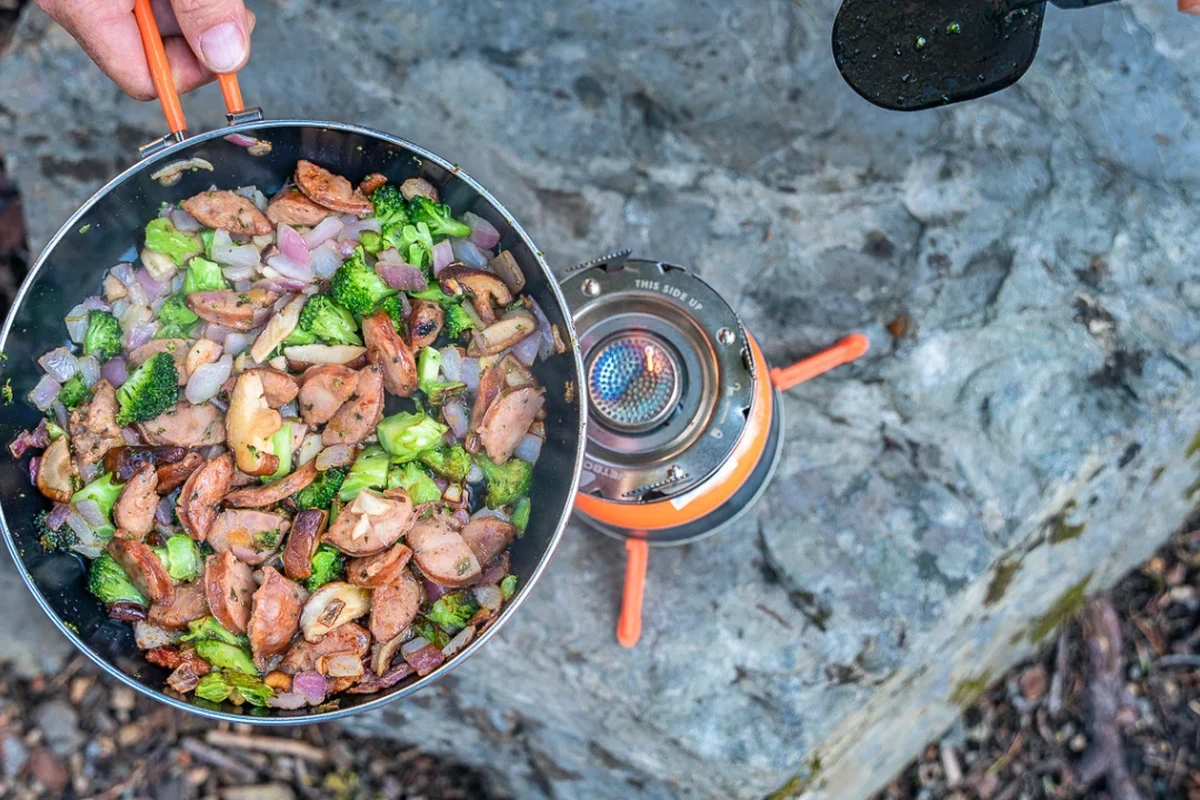
- Water Filtration: Consider a portable water filter for long hikes.
- Emergency Snacks: Carry extra snacks in case of delays.
- Communication Device: A fully charged phone or a satellite communicator can help in emergencies.
These preparations can make a significant difference in your overall hiking experience.
- Download maps for offline use.
- Protect battery life.
- Carry and know how to use an appropriate backup.
Permits, Access, and Current Conditions to Verify
Before embarking on your hike, ensure you have the necessary permits and are aware of any access restrictions. Verify current trail conditions with local authorities or park services.
Permits: Some trails require permits; check in advance. Access: Confirm if the trailhead is open and accessible. Trail Conditions: Look for recent reports on trail conditions and closures.
Being informed about permits and access can prevent unnecessary delays and ensure a smooth hiking experience.
Details in what to bring on a hiking trip can change. Confirm them with the official land manager, current forecast, permit source, and recent closure notices before publishing or acting.
Hazards That Justify Turning Around
Identifying hazards is crucial for safety. Know when to turn back if conditions change or if you encounter dangerous terrain.
- Weather: Sudden storms or severe weather warrant turning back.
- Injury: If anyone in your group is injured, it’s best to return.
- Navigation Errors: If you’re lost and can’t find your way, turning back is often safer.
Being aware of these hazards can help maintain safety and prevent accidents during your hike.
Leave No Trace on This Type of Route
Practicing Leave No Trace principles is essential for preserving nature while hiking. Always follow guidelines to minimize your impact on the environment.
Pack Out Trash: Carry out everything you bring in. Stay on Trails: Avoid creating new paths to protect vegetation. Respect Wildlife: Observe animals from a distance without feeding them.
By following these principles, you contribute to the preservation of hiking trails for future generations.
Bottom Line Before Attempting What to Bring on a Hiking Trip
Preparing for a hiking trip involves understanding your route, packing essentials, and assessing conditions. Prioritize safety, comfort, and environmental respect to ensure an unforgettable experience.
For more detailed packing advice, consider checking our essential gear guide for a comprehensive list of items to consider.
Questions About Bring Hiking Trip
For a day hike, pack water, snacks, a map, a first aid kit, and appropriate clothing layers.
Some trails require permits; check local regulations before your trip.
Bring at least two liters of water for a day hike, more if it’s hot.
If the weather turns bad, consider turning back to ensure safety.
Beginners should focus on comfortable shoes, a daypack, sufficient water, snacks, and a basic first aid kit.