

Bed bugs usually travel only a short distance outside on their own, but they can spread much farther by hiding in luggage, clothing, and gear. The best defense is to inspect early, isolate exposed items, and use heat or laundering before bugs move indoors.
Bed bugs are not strong outdoor travelers in the way mosquitoes, ants, or ticks are. If you are asking how far can bed bugs travel outside, the practical answer is usually only a short distance on their own, but they can spread much farther when they hitchhike on bags, clothing, or gear.
That matters for travelers, cabin guests, and road trippers because a small indoor problem can become a bigger one if bugs move from a room to a porch, car, or shared storage area. In places like Steamboat Springs, where people move between hotels, rentals, trailheads, and ranch stays, a careful inspection routine is worth the extra minute.
- Short crawlers: Outside, bed bugs usually move only a few feet to a few yards on.
- Big hitchhikers: Luggage, clothing, and soft gear can carry them much farther.
- Best prevention: Inspect rooms before unpacking and keep bags off beds and carpets.
- Fast containment: Seal, launder, or heat-treat exposed items as soon as possible.
How Far Can Bed Bugs Travel Outside? What the Evidence Actually Shows
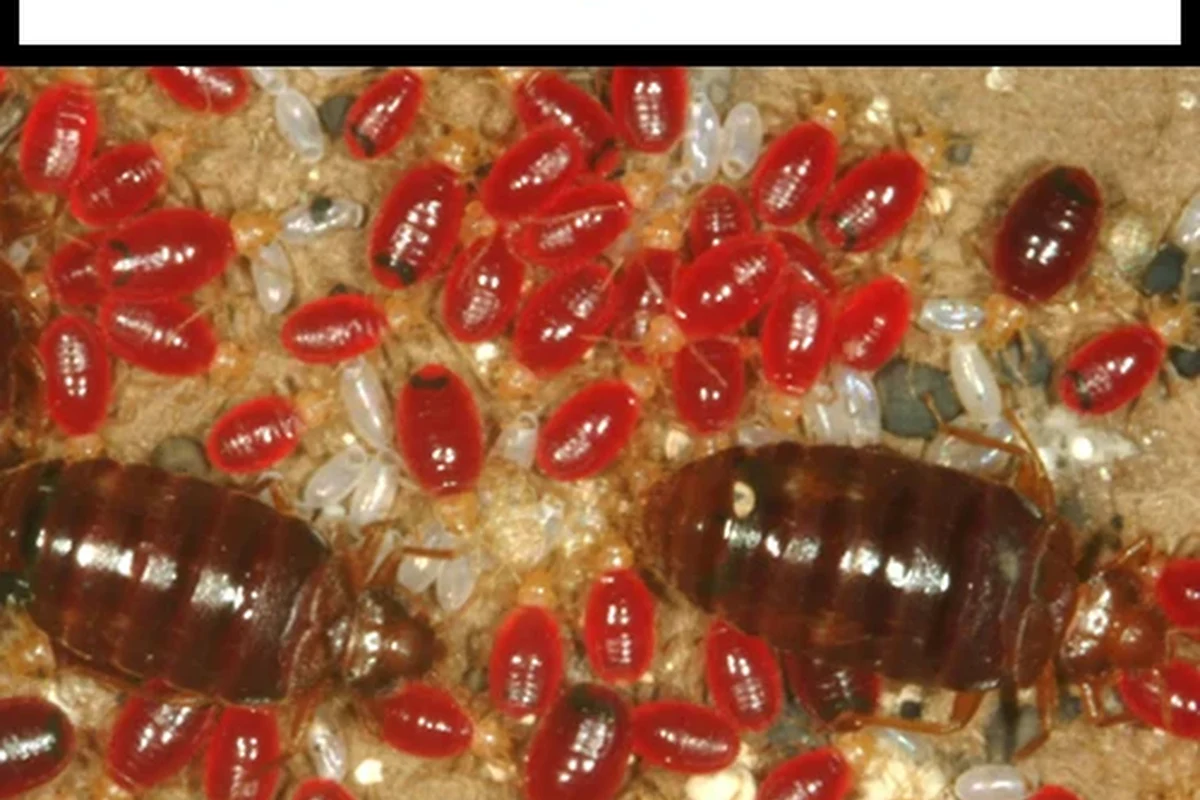
Visual guide: How Far Can Bed Bugs Travel Outside? What the Evidence Actually Shows
Bed bugs are built for hiding and feeding, not for long outdoor journeys. They usually crawl at a slow pace and prefer protected spaces close to a host, so their self-powered travel outdoors is limited compared with many other pests.
In real-world travel settings, that means a bed bug outside may cross a few feet, maybe a few yards if conditions help it, but it is unlikely to roam across open ground for long. Sun, wind, temperature swings, and dry air all work against them, which is one reason they favor seams, cracks, and tucked-away edges.
“Outside” does not mean safe. Bed bugs can still survive in sheltered outdoor spots long enough to spread to a person, bag, vehicle, or nearby room.
Why Bed Bugs Leave Indoor Spaces in the First Place
Bed bugs usually do not “choose” the outdoors the way a person chooses a trail or picnic spot. They move because they are following a host, escaping disturbance, or being carried out by accident in luggage, bedding, or furniture.
If a room gets crowded, cluttered, or repeatedly disturbed, bugs may disperse into nearby cracks, baseboards, or adjacent items. That can make it seem like they are traveling farther than they really are, when in fact they are just seeking a new hiding place close by.
How movement, heat, hosts, and clutter influence outdoor travel
Heat and body odor attract bed bugs, so they often move toward sleeping areas, seats, or places where people rest. If a bag is left near a porch chair, a car seat, or a pile of gear, a bug may crawl into it and ride along.
Clutter gives them more edges and seams to use as cover. In a cabin or rental, that can include stacked blankets, duffels, laundry piles, pet beds, and storage bins near entryways.
What “outside” usually means in travel and lodging settings
For travelers, “outside” often means a porch, deck, patio, parking area, shuttle stop, or campsite edge rather than open wilderness. Those are the places where bed bugs are most likely to make a short move after being displaced.
If you are planning local outings and want to keep luggage and clothing organized, it helps to think like you would when packing for the things to do in Steamboat Springs or a day of mixed indoor-outdoor stops. The more you limit loose items, the fewer places bugs have to hide.
Realistic Outdoor Travel Distances: From a Few Feet to a Few Yards
Most bed bug movement outdoors is short-range. A bug that is not carried by a person or object usually stays close to shelter, especially if it is trying to avoid light, heat, or dry conditions.
That is why outdoor spread tends to happen in small steps: from a mattress seam to a bag, from a bag to a car, or from a porch chair to a nearby storage bin. The long-distance problem is usually not crawling; it is transport.
How bed bugs move on luggage, clothing, furniture, and gear
Bed bugs can hide in seams, zippers, folds, and fabric layers. Luggage, sleeping bags, jackets, camping pads, and even folded blankets can all become temporary hiding spots if they are placed near an infested area.
For travelers heading into mountain lodging or a rental, that means a bug may travel from a bedroom to a hallway tote, then into a vehicle, then into a home. If you are also packing for active days, a guide like the best things to do in Steamboat Springs Colorado can help you plan gear without overpacking or leaving extra items exposed.
When they hitchhike farther than they can crawl
Bed bugs can cross a room slowly, but they can cross counties inside a suitcase. That is the key difference travelers need to remember: the insect itself is not a marathon crawler, but human movement can make it a long-distance spreader.
Vehicles are a common example. A bed bug that gets into a duffel or coat can stay hidden during a drive, then emerge later in a hotel, condo, or home where it finds another place to hide.
Where Bed Bugs Go Outside: Hiding Spots Around Cabins, Cars, and Campsites
Outside, bed bugs do best where they still have cover. They are far less likely to sit in the open on gravel, grass, or exposed decking than they are to squeeze into cracks, folds, and shaded corners.
That is why outdoor harborage is usually found near the edges of structures, not in the center of open space. The most likely spots are the ones that stay dark, still, and close to human activity.
Common outdoor harborage areas near porches, decks, and entryways
Look for sheltered seams around porch furniture, deck boards, door thresholds, stacked wood, storage bins, and luggage left against walls. Even small gaps under cushions or behind stacked items can give a bug a temporary refuge.
Cabins and vacation rentals deserve extra attention because people often move gear in and out quickly. A bed bug that leaves a bedroom may settle near the entryway, where it has a better chance of catching a ride on the next bag or jacket.
Risks in vehicles, shuttle bags, picnic areas, and shared storage
Cars, shuttles, and shared storage lockers are risk points because they combine enclosed space with frequent turnover. A single infested item can expose other soft goods, especially if bags are left open or piled together.
Picnic areas are less likely to be a true breeding site, but they can still be a transfer point. If an infested blanket, coat, or daypack is set down and then reused, the bug may move into the next item before anyone notices.
Do not assume an item is safe just because it was outside. Bed bugs can survive in protected seams long enough to spread again once the item comes back indoors.
Signs Bed Bugs May Have Traveled Outside with You
Travelers usually notice bed bugs because of what they leave behind, not because they catch one in the act. If you suspect a bug moved with your luggage or clothing, look for a pattern rather than a single clue.
One bite does not prove bed bugs, and one dark speck does not prove an infestation. But a cluster of signs after a hotel stay, rental, or road trip should be taken seriously.
Practical examples from hotel stays, rentals, and road trips
After a hotel stay, a traveler might unpack and later find itchy bites, a tiny bug in a seam, or dark spotting near the suitcase zipper. In a rental cabin, the issue may show up after gear was set on a bed, couch, or rug for only a few minutes.
Road trips can spread the problem too, especially when overnight bags are moved from room to car to another room without a pause. The safest pattern is to keep “clean” and “possibly exposed” items separate until you can inspect them.
How to spot bites, live bugs, shed skins, and small blood spots
Common signs include small reddish bites in a line or cluster, shed skins, tiny pale eggs, and dark spotting on sheets or fabric. You may also see live bugs around seams, mattress edges, luggage folds, or the corners of upholstered furniture.
Blood spots can appear when a bug is crushed after feeding, but the absence of stains does not mean the item is clear. Careful inspection matters more than guesswork, especially when you are trying to avoid bringing pests home from a trip.
Common Mistakes That Help Bed Bugs Spread Farther
Many bed bug problems get worse because people react fast but not carefully. The goal is to contain the issue, not scatter it into more rooms, more vehicles, or more soft goods.
That is especially important for travelers who are tired, in a hurry, or trying to salvage a vacation day. A few extra minutes of containment can save a lot of trouble later.
Why moving bags indoors too quickly makes the problem worse
If a bag comes in from a possibly infested room and goes straight onto a bed, couch, or carpet, any hidden bugs get a new chance to spread. The same is true for jackets, shoes, blankets, and pet carriers.
Instead, keep questionable items isolated until you can inspect, launder, or heat-treat them. A garage, hard floor, or sealed bin is safer than a bedroom or living room.
Why outdoor “airing out” and DIY sprays often fail
Letting bags “air out” outside does not reliably remove bed bugs. They hide in seams and protected folds, so fresh air alone usually does nothing useful.
DIY sprays are also risky because they may not reach the insect and can damage fabrics or create false confidence. If you need a real treatment plan, use proven containment and heat or laundering methods instead of hoping the problem disappears on its own.
How to Prevent Bed Bugs from Spreading During Travel in 2026
Prevention is still the best strategy, especially for frequent travelers, family trips, and overnight stays near trails or resort areas. A simple routine can reduce the chance that bed bugs travel outside with your gear and then back indoors with you.
For mountain trips, it helps to think of bed bug prevention the same way you think about weather prep or hydration: small steps up front prevent bigger problems later. If you are planning a longer stay, bring enough storage options so items do not end up piled loosely on floors or beds.
Fast inspection steps before unpacking
Before unpacking, inspect the mattress seams, headboard area, upholstered chairs, and luggage rack. Use a phone flashlight and check for live bugs, dark spotting, shed skins, or eggs near tight seams and corners.
Keep luggage in the bathroom, on a hard surface, or on a rack away from the bed until you finish the check. If you see warning signs, ask for a different room or move your belongings before settling in.
Set luggage on a hard surface, not on bedding or carpet, until you inspect the room.
Look at mattress edges, headboards, chair seams, and the luggage rack before unpacking.
Use sealed bags or bins for anything that may have touched the room.
Containment, laundering, heat treatment, and sealing methods
After a trip, launder washable clothing on the warmest safe setting and dry it thoroughly on high heat when the fabric allows. Heat is one of the most reliable tools for handling soft goods, while sealed storage helps keep any hidden bugs from spreading.
For non-washable items, use sealed bags or containers until you can inspect them more carefully. Vacuuming can help with debris, but it should not be treated as a stand-alone solution for bed bugs.
Pack one “clean” bag for unused clothing and one “used” bag for items you wore on the road. That simple split makes inspection and laundering much easier when you get home.
Time and cost comparison: prevention now vs. treatment later
Prevention usually costs very little: a flashlight, a few sealable bags, and a careful habit at check-in and check-out. Treatment later can involve laundry, replacement of items, professional pest control, and the stress of repeated cleaning.
If you travel often, the time saved by preventing spread is usually worth far more than the few minutes spent inspecting bags and seams. That is true whether you are staying downtown, at a cabin, or at a basecamp-style rental.
Local Safety Notes for Travelers and Final Takeaway
Mountain trips often involve cabins, shared rentals, shuttle rides, and gear that moves from one space to another. Those settings are convenient, but they also make it easier for bed bugs to hitchhike if you do not keep items separated and checked.
For travelers in Steamboat and similar destinations, the safest approach is simple: inspect before unpacking, keep bags off beds, and treat soft goods quickly if you suspect exposure. When in doubt, use local guidance and official sources for travel and outdoor planning, especially if you are combining lodging with trail days or resort stops.
Extra caution for cabins, mountain lodging, and shared-use spaces
Cabins, condos, and shared storage areas need extra caution because multiple guests may use the same furniture, closets, and benches. That does not mean you should avoid them; it just means you should inspect more carefully and keep your gear contained.
Shared-use spaces are also where bed bugs can move from one traveler’s bag to another. In busy travel seasons, that risk goes up simply because more people and more luggage are passing through the same area.
Recap: how far bed bugs can travel outside and what to do next
Bed bugs can crawl only a short distance outside on their own, usually just a few feet or a few yards in sheltered conditions. The bigger risk is hitchhiking on luggage, clothing, furniture, and gear, which can move them much farther than they could ever travel by crawling alone.
If you suspect exposure, isolate your items, inspect carefully, and use heat or laundering where appropriate. A few preventive habits can keep a small travel nuisance from becoming a home infestation.
Frequently Asked Questions
Usually only a short distance, often a few feet to a few yards in sheltered conditions. They spread much farther when they hitchhike on luggage, clothing, or furniture.
Check mattress seams, headboards, upholstered chairs, and the luggage rack before unpacking. Use a flashlight and look for live bugs, dark spotting, shed skins, or eggs.
Bring sealable bags, a flashlight, and a plan for keeping clean and used items separate. A hard-sided bin or luggage organizer can also help contain exposed clothing.
Yes, especially if they are hidden in seams, bags, or soft gear. Vehicles and shared storage spaces are common hitchhiking points, not ideal long-term habitats.
Launder washable items on the warmest safe setting and dry them thoroughly on high heat when possible. Keep non-washable items sealed until you can inspect or treat them.
Contact a professional if you find live bugs, repeated bites, or signs spreading into multiple rooms or vehicles. Early help is usually easier and less disruptive than waiting.