

Yes, cockroaches can travel on a person, but they usually do it by accident and only briefly. The bigger risk is that they hide in clothing, shoes, bags, or camping gear and move with you to the next stop.
Cockroaches can travel on a person, but it is usually accidental and brief rather than something they actively seek out. For travelers, campers, and anyone moving through hotels, cabins, or shared vehicles, the bigger concern is not the roach staying on your body for long — it is the chance that it hides in your gear and gets carried somewhere else.
- Direct contact: Roaches usually avoid people unless startled or trapped.
- Main risk: Clothing, luggage, and gear are the most common hitchhiking spots.
- Best prevention: Keep items zipped, clean, and off the floor.
- If one gets on you: Remove it calmly and inspect nearby items right away.
Can Cockroaches Travel on a Person? What Really Happens During Contact
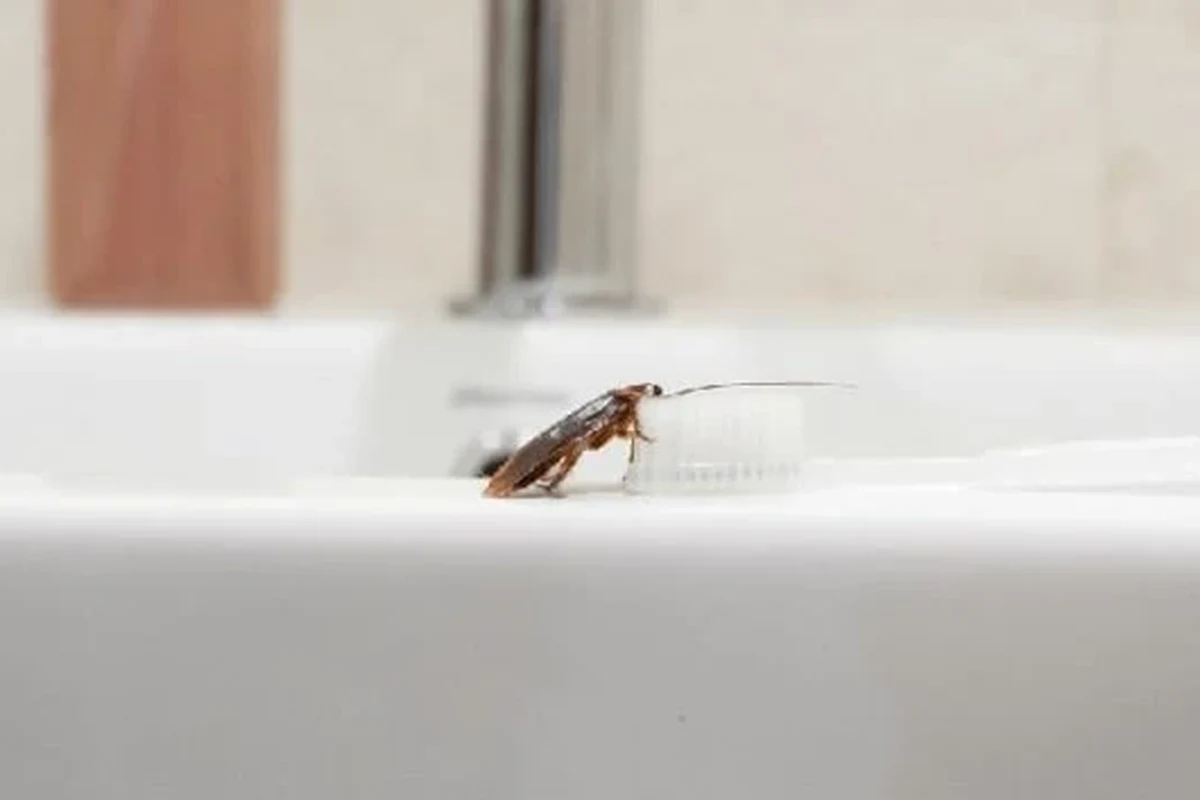
Visual guide: Can Cockroaches Travel on a Person? What Really Happens During Contact
Most cockroaches do not want to crawl on people if they have another option. They prefer dark, warm, hidden spaces like cracks, bag seams, cardboard, or laundry piles, which is why contact with a person usually happens only when a roach is startled, trapped, or searching for shelter.
How roaches end up on clothing, bags, shoes, and skin
A roach may land on a pant leg, crawl across a backpack strap, or hide in a shoe if it finds a quiet spot. In rare cases, one may briefly touch exposed skin, especially if you are sitting on the ground, leaning against luggage, or moving through a cluttered area where the insect has room to scatter.
Clothing and soft gear create more risk than bare skin because roaches can tuck into folds, cuffs, and seams. That is why a packed day bag or jacket tossed on the floor can be a better hiding place for a hitchhiker than a person’s body.
Why cockroaches usually avoid direct human contact when possible
Cockroaches survive by staying hidden, not by approaching people. Human movement, light, and vibration usually push them away, so direct contact is often a sign that the roach was already cornered, disturbed, or trying to escape a nearby shelter.
That also means panic is not the best response. If one touches you, the main goal is to remove it safely and check the place where it may have come from.
Situations where travel, lodging, or outdoor gear increase the risk
Shared lodging, road trips, and outdoor storage can all raise the odds of accidental contact. A roach may move from a damp utility area into a suitcase, from a cabin entryway into boots, or from a storage bin into camping gear that was left open overnight.
For readers planning mountain getaways or sightseeing days, the risk usually stays low when luggage is closed and rooms are tidy. Still, it helps to think about gear the same way you would when planning the things to do in Steamboat Springs—prepare a little before the trip so small surprises do not turn into bigger hassles.
Why This Matters for Travelers, Campers, and Outdoor Visitors
For most people, a single roach sighting is annoying, not dangerous. But on the road, even one insect can become a transport problem if it hides in a bag, vehicle, or sleeping area and then moves into the next stop.
Hotel rooms, cabins, RVs, and shared lodging as common exposure points
Hotels, cabins, RVs, and bunk-style stays have more shared surfaces, more turnover, and more chances for insects to move unnoticed. Warm appliances, bathrooms, storage closets, and trash areas can all become hiding spots if housekeeping or cleanup is not thorough.
That does not mean every stay is a problem. It just means travelers should check corners, bed frames, and luggage areas before unpacking, especially during busy seasons when shared lodging sees more traffic.
Camping gear, backpacks, and luggage as accidental transport routes
Camping gear is especially important because it often sits on the ground, near food, or in damp places. Backpacks, duffel bags, sleeping bags, and tents all have folds and pockets where a roach can hide for hours without being noticed.
If you are heading out for a trail day or a cabin weekend, it helps to pack with the same care you would use for a long outdoor itinerary. For example, readers comparing the best things to do in Steamboat Springs Colorado often plan for weather and elevation first, but pest-proof packing matters too.
How a single hitchhiking roach can become a bigger infestation problem
A lone roach is not always the start of an infestation, but it can be if it reaches a warm, food-rich space and finds shelter. That is why travelers should treat a sighting as a containment issue: check the item it came from, isolate it, and clean the area before the insect can spread.
In vehicles, closets, and room corners, a hidden roach may also leave droppings or egg cases. Those signs matter because they can point to a larger problem than the one bug you actually saw.
How to Tell Whether a Cockroach Actually Moved With You
Most people notice a roach only after it moves, but the real question is whether it stayed hidden in your belongings. A careful check after arrival can save you from carrying the problem into your next stop.
Signs a roach may be hiding in clothing, seams, or personal items
Look for small dark specks, shed skins, or a musty odor around bags and clothing folds. Roaches like seams, zippers, shoe tongues, and the dark pockets inside jackets because those areas stay still and protected.
If you hear faint rustling inside a bag or see movement when you open it, assume the insect has found cover. Do not shake items near your bed or food area until you know what is inside.
What to look for after entering a room, vehicle, or campsite
After you arrive, inspect the floor near your luggage, the bed skirt, the bathroom baseboards, and any damp corners. In vehicles, check under seats, in cargo areas, and around snack wrappers or drink containers that may have been left behind.
At campsites, look around coolers, tent corners, and storage bins, especially if they sat open during setup. The faster you check, the easier it is to keep a stray insect from disappearing into a hidden spot.
Common mistakes that let roaches go unnoticed until later
One of the biggest mistakes is setting bags on the floor and forgetting them. Another is leaving laundry mixed with clean clothes, which makes it harder to notice a hitchhiker before you repack.
People also miss roaches when they unpack in low light or rush between activities. A quick visual check is often enough, but only if you actually take the time to do it.
Fast Prevention Steps to Stop Cockroaches From Traveling on You
Prevention is simple when you build it into your travel routine. A few small habits can reduce the odds of bringing a roach home in clothing, gear, or luggage.
Clothing, shoe, and bag checks before and after travel
Before you leave a room or campsite, scan shoes, jacket cuffs, and bag pockets. After you arrive, repeat the check before you unpack, especially if your gear was left near food, water, or shared storage.
It also helps to keep dirty clothes separated from clean ones. That makes it easier to spot anything unusual and reduces the number of places a roach can hide.
Shaking out gear, sealing luggage, and using zippered storage
Shaking out gear can help, but do it outside or over a hard, easy-to-clean surface. Zippered packing cubes, sealed laundry bags, and closed shoe bags give you extra control over where insects can hide.
For longer trips, treat open totes and cardboard boxes as a weak point. Hard-sided cases and zippered storage are usually better choices when you want fewer hiding places.
Keep one small zip bag in your daypack for dirty socks, snack trash, or any item you want isolated fast if you spot a roach.
Simple cleaning routines that reduce risk in under 10 minutes
A short routine can make a big difference: wipe crumbs, empty trash, close food containers, and check the floor around where you set your bags. If you are staying somewhere overnight, a quick sweep of the entry area and bathroom can reveal the damp or cluttered spots roaches like most.
Travelers who spend the day outdoors often return tired and skip cleanup, but that is when small problems grow. A few minutes of order can be easier than dealing with a surprise later.
What to Do If a Cockroach Gets on You
If a cockroach lands on you, stay calm and focus on removing it safely. Fast, frantic movement can make it drop into your clothing or scatter toward nearby items.
Safe, calm steps to remove it without crushing or spreading debris
Brush it off gently with a hand, towel, or piece of clothing if you can do so without trapping it against your skin. If it is on a sleeve or pant leg, step away from bags and bedding before removing it so you do not transfer it to another surface.
Avoid crushing it directly on fabric if possible. That can leave debris or fluid on clothing, and it may also make cleanup more annoying than necessary.
When to change clothes, wash items, or inspect your room immediately
If the roach was inside a sleeve, shoe, backpack, or sleeping area, change the item or inspect it right away. Wash clothes that may have been in contact, and check seams and pockets before putting anything back in storage.
If you are in a hotel, cabin, or rental, inspect the surrounding area too. One sighting does not always mean a larger issue, but it is smart to look while the evidence is still fresh.
When to avoid panic and focus on containment instead
Do not assume a single roach means the whole trip is ruined. In many cases, the best response is simple containment: isolate the item, clean the area, and keep food sealed.
That mindset matters on road trips and outdoor stays, where a calm response helps you protect the rest of your gear. If you are already planning a full day of activities, keeping your routine steady is usually more useful than overreacting.
Common Mistakes That Make Cockroach Problems Worse
Most travel-related roach problems get worse because of storage habits, not because of the insect itself. A few avoidable mistakes can turn a small issue into a longer cleanup.
Leaving bags open on floors, beds, or outdoor ground
Open bags are easy targets because roaches can crawl in without being noticed. Floors, beds, and outdoor ground all increase the chance that a bag picks up something unwanted while you are busy.
Use a chair, shelf, or luggage rack when possible, and close zippers when items are not in use. That one habit reduces a lot of accidental exposure.
Ignoring food crumbs, moisture, and clutter around travel spaces
Crumbs, standing water, and clutter attract roaches and give them places to hide. Snack wrappers, wet towels, and stacked gear make a room or vehicle more appealing than it needs to be.
Keep your travel area tidy, especially after late arrivals or long drive days. Roaches are much easier to avoid when they have fewer reasons to stay nearby.
Using strong sprays in enclosed areas without proper caution
Strong sprays can push a roach into a deeper hiding place, and in a small room they can also create breathing discomfort for people nearby. That is especially important in cabins, RVs, and tightly sealed spaces.
If you need treatment, follow product directions carefully and consider contacting property management or pest control rather than trying to solve everything with a quick spray. A targeted approach is usually safer and more effective.
Safety and Local Caution for GhostRanch Steamboat Travelers
Steamboat Springs trips often involve cabins, lodges, trailheads, and packed vehicles, so it is worth thinking about pest prevention alongside weather and gear. Warm-weather surges, busy weekends, and shared lodging can all increase the odds of seeing insects indoors, even if the outdoors feel clean and open.
Check trail conditions, weather forecasts, and local advisories before heading out.
Cabin, lodge, and vehicle precautions in warm-weather or high-traffic seasons
In higher-traffic seasons, cabins and lodges can see more turnover, more luggage, and more chances for pests to move between areas. Keep food sealed, do not leave bags open, and use hard surfaces for unpacking when you can.
Vehicles also deserve attention after trail days or long drives. A quick sweep for wrappers, damp gear, and hidden insects is a good habit before you head to your next stop.
How to protect gear during mountain trips, road trips, and overnight stays
Store shoes, jackets, and snacks in separate containers when possible. If your trip includes hiking or ranch stays, close gear bags before bed and avoid leaving laundry or damp clothes in a heap.
For outdoor visitors, the same basic packing habits that help with weather and comfort also help with pest prevention. Clean, sealed, and organized gear is easier to inspect and less attractive to unwanted hitchhikers.
When to contact property management or pest control after a sighting
If you see multiple roaches, droppings, or signs of nesting, contact property management quickly. One bug may be a fluke, but repeated sightings usually mean the issue needs attention right away.
If you are staying in a rental, lodge, or campground cabin, reporting the sighting early helps protect the next guest too. That is the practical, travel-safe approach most visitors appreciate.
If you see repeated roach activity in a rental, cabin, or RV park, contact property management or a licensed pest professional before unpacking fully.
Final Recap: The Smartest Way to Keep Cockroaches Off You and Your Gear
Cockroaches can travel on a person, but they are much more likely to ride in clothing, shoes, luggage, or camping gear than to stay on exposed skin. The best defense is simple: inspect, seal, clean, and isolate anything suspicious before it spreads.
Quick summary of the most effective prevention habits
Check shoes, cuffs, bags, and seams before and after travel. Keep food sealed, use zippered storage, and avoid leaving gear on floors or outdoor ground.
If a roach does get on you, remove it calmly and inspect the item it came from right away. Fast containment is usually better than panic.
Cost and time comparison of prevention versus cleanup or extermination
Prevention usually takes only a few minutes and costs little or nothing. Cleanup, replacement gear, or pest treatment can take much longer and become expensive if the insect reaches a room or vehicle unnoticed.
That is why small habits matter so much on travel days. A short check before bed or before repacking can save a lot of trouble later.
Last takeaways for safer travel and pest-aware packing
Think of pest prevention as part of smart travel prep, right alongside weather checks and packing layers. Whether you are planning a cabin weekend, a road trip, or a day of exploring the local area, a tidy bag and a quick inspection go a long way.
For GhostRanch Steamboat readers, the goal is simple: enjoy the trip, protect your gear, and keep tiny hitchhikers from turning into bigger headaches.
Frequently Asked Questions
Yes, but it is usually accidental and brief. Roaches are more likely to hide in clothing, shoes, bags, or gear than stay on exposed skin.
Check luggage seams, shoes, jacket cuffs, and the floor area where bags were placed. Also look for droppings, shed skins, or movement in dark corners.
Keep bags zipped, use sealed storage for dirty clothes, and shake out gear outside before bringing it indoors. A quick cleaning routine after travel also helps.
Zippered luggage, packing cubes, and sealed laundry bags are the most useful basics. Hard-sided storage can also reduce hiding places compared with open totes or cardboard.
Contact them right away if you see more than one roach or notice droppings, egg cases, or repeated activity. Early reporting helps prevent the issue from spreading.
Season, lodging type, and traffic level matter more than altitude alone. Warm-weather periods and shared spaces can increase the chance of seeing insects indoors.